- sales@fokca.com info@fokca.com
- WhatsApp: +86 150 5749 1870

Custom Cylinders & System Solutions Manufacturer | Est. 1998
Custom Cylinders & System Solutions Manufacturer | Est. 1998

Dec 10, 2025
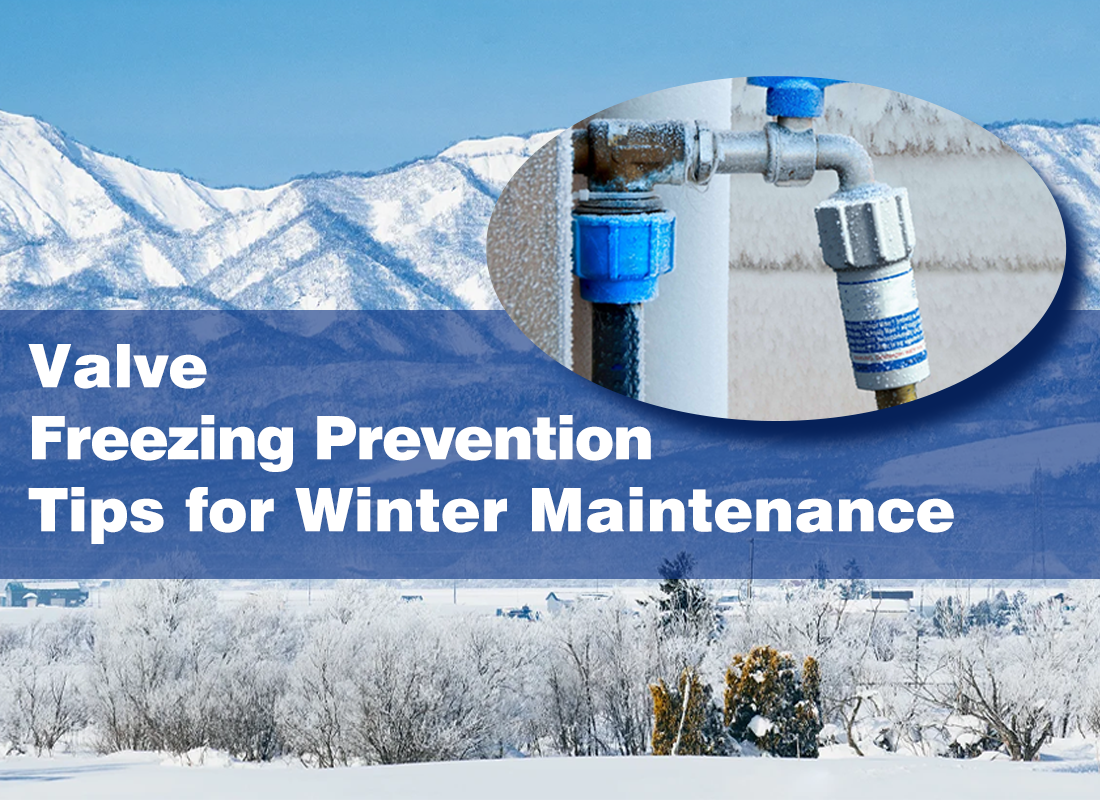
During seasonal temperature drops, one of the easiest risks to overlook in industrial environments is valve freezing. Whether the medium is water, oil, or moisture in compressed air, once it freezes inside the valve body or pipeline, the valve may fail to operate, its sealing may harden, or the metal housing may even crack.
Most industrial valves can operate between –10°C and 20°C, but proper protection is essential to avoid performance loss and unexpected downtime.
Valve failure in winter is not caused by the metal itself becoming cold, but by the medium inside the valve solidifying or thickening. Water freezes at 0°C, certain oils become highly viscous in low temperatures, and moisture in compressed air can condense and freeze.
This often leads to sticking valve cores, hardened seals, or sluggish actuators.
In pneumatic or automated systems, even a small freeze point can disrupt an entire production line.
Many valve types—ball valves, angle seat valves, solenoid valves, diaphragm valves, butterfly valves—can operate in low temperatures, but their sensitivity differs:
| Valve Type | Typical Materials | Low-Temperature Operating Range | Freezing Risk Factors | Recommended Winter Protection |
|---|---|---|---|---|
| Ball Valve | Stainless steel, brass, PTFE seats | –10°C to 20°C (varies by seal material) | Water accumulation in cavity, slow actuation | Insulation, periodic operation, cavity draining |
| Gate Valve | Cast iron, carbon steel, bronze | –5°C to 20°C | Water trapped in bonnet, stem jamming | Heat tracing, bonnet insulation, dry-line operation |
| Globe Valve | Stainless steel, carbon steel | –10°C to 15°C | Stem freezing, seat leak due to ice | Add insulation, ensure upstream dryness |
| Butterfly Valve | Aluminum alloy, stainless steel, rubber seat | 0°C to 20°C (rubber seats stiffen at low temp) | Disc sealing failure, rubber hardening | Low-temp elastomers, insulation jackets |
| Pneumatic Actuated Valves | Aluminum, PA66, stainless steel | Depends on actuator type: –10°C to 50°C | Condensed moisture freezing inside actuator | Use dry air, add FRL units, drainage, insulation |
| Solenoid Valves | Brass, stainless steel, copper coil | 0°C to 50°C (coil heat prevents mild freezing) | Media freezing in internal pilot passages | Use anti-freeze fluids, install heat tracing |
| Check Valves | Brass, stainless steel | –10°C to 20°C | Disk sticking, slow opening due to ice | Keep line dry, add insulation, ensure slope for drainage |
Understanding structural characteristics helps determine the right protection method.
Winter protection revolves around three principles: keep it warm, keep it dry, keep it moving.
When a valve is exposed outdoors or in areas with strong wind, insulation becomes the most effective strategy.
Common methods include:
Wrapping the valve and pipeline with rubber insulation or rock wool
Installing electric heating tapes with thermostat control
Adding insulation boxes or shelters over key valve areas
Insulation dramatically reduces freezing risk and is suitable for nearly all valve types.
What truly freezes inside a valve is residual moisture. Before temperatures drop, draining and blowout procedures should be completed.
Recommended actions:
Open drain ports when equipment is idle
Blow out pipes and valve cavities with compressed air
Add automatic drainers to air treatment units in pneumatic systems
If moisture remains in a pneumatic actuator, it may freeze and cause complete motion failure.
For systems that run continuously, maintaining a slow and steady flow prevents medium stagnation.
Examples:
Low-speed circulation for cooling or process water
Slow oil pumping or preheating in lubrication systems
Flowing liquid is much less likely to freeze, making this a simple and cost-effective method.
In extremely cold environments, the valve’s sealing and lubrication materials must withstand low temperatures.
Best practices include:
Using low-pour-point oils
Selecting seals suitable for low temperatures (PTFE, special FKM formulations)
Supplying dry, moisture-free air to pneumatic systems
For environments nearing –20°C or colder, low-temperature designed valves or metal-seated valves are recommended.
Preventive measures work best when combined with regular winter maintenance:
◆ Inspect insulation for moisture, cracks, or damage
◆ Confirm electric heating systems are operating normally
◆ Monitor for slower valve response or slight sticking
◆ Check air line filters and auto-drainers for moisture buildup
◆ Look for frost, leaks, or abnormal noises
If a valve is already frozen, avoid pouring hot water. Rapid thermal shock can crack the housing; instead, apply slow, controlled warming.
While most industrial valves can withstand –10°C to 20°C, freezing risk comes from the medium—not the valve itself.
Through insulation, draining, moisture removal, proper material selection, and consistent maintenance, winter-related failures can be significantly reduced, ensuring stable and safe plant operation throughout the cold season.
If you want to know more about valves, you can contact us directly.
(FK9025)
You May Interest In






Get a free sample

FOKCA ©1998-2025 All Rights Reserved Sitemap