- sales@fokca.com info@fokca.com
- WhatsApp: +86 150 5749 1870

Custom Cylinders & System Solutions Manufacturer | Est. 1998
Custom Cylinders & System Solutions Manufacturer | Est. 1998

Mar 09, 2026
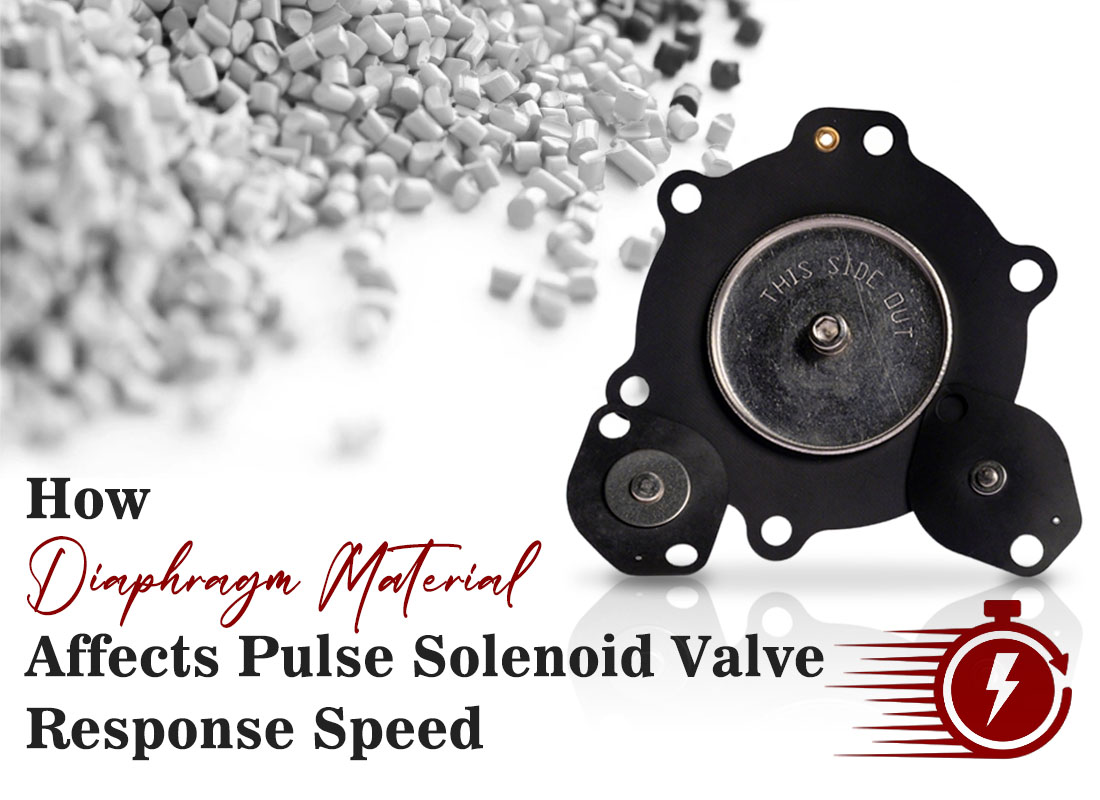
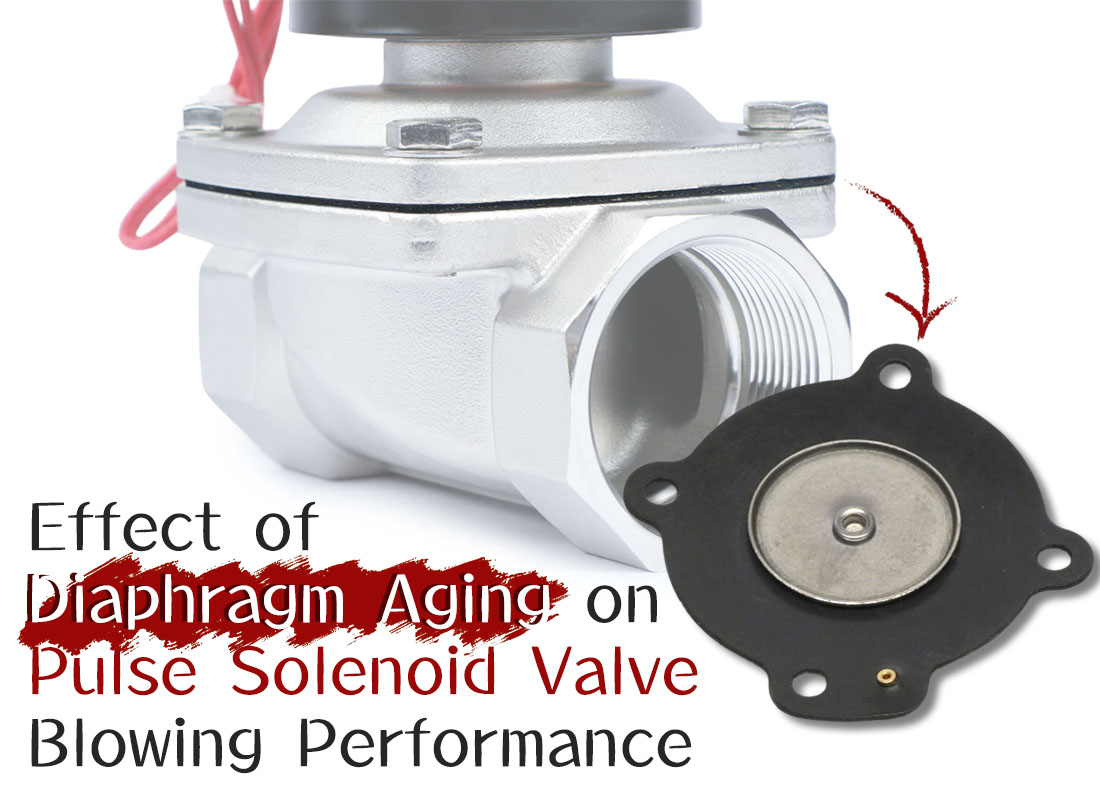
In industrial dust collection systems, a pulse solenoid valve releases compressed air in short bursts to clean filter bags. The effectiveness of this cleaning process depends not only on pressure and valve structure but also on the diaphragm material used inside the valve.
Different diaphragm material types exhibit varying elasticity, fatigue resistance, and recovery characteristics. These differences directly influence the opening and closing response of a pulse jet solenoid valve.
In most pulse solenoid valve for dust collector designs, the diaphragm controls the rapid release of compressed air. When the valve is triggered, the diaphragm must lift almost instantly and return quickly to its sealing position. If the diaphragm material has poor rebound properties, the valve response becomes slower, reducing pulse efficiency.
A typical pilot operated pulse solenoid valve uses a diaphragm to separate the compressed air chamber from the outlet channel. When the solenoid pulse valve receives a signal from the solenoid valve pulse controller, the pilot port opens and releases pressure above the diaphragm.
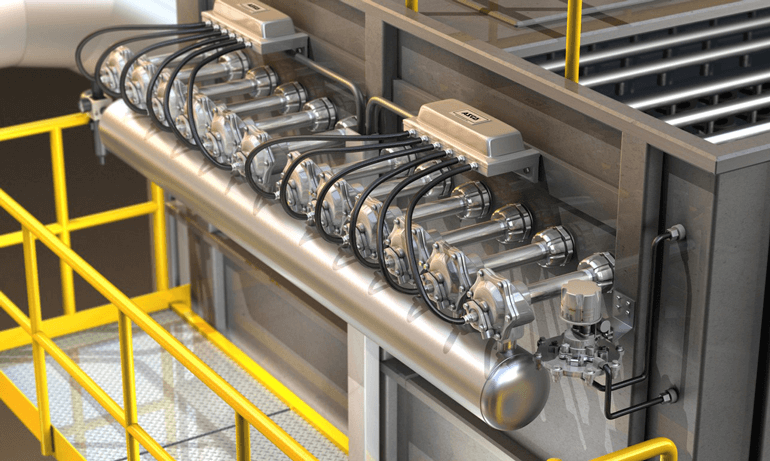
The pressure differential causes the diaphragm to lift rapidly, allowing compressed air to discharge through the outlet pipe. This design enables a fast response pulse solenoid valve to release a large airflow within milliseconds.
Such valves are widely used in pulse solenoid valve for baghouse, pulse solenoid valve for filtration system, and pulse solenoid valve for pneumatic cleaning applications where high-energy pulses are required to remove dust layers.
The valve diaphragm material plays a crucial role in determining how quickly the valve opens and closes. Rubber-based materials usually provide better elasticity, while chemically resistant materials often have lower rebound performance.
| Diaphragm Material | Elastic Recovery | Opening Speed | Closing Speed | Temperature Resistance | Typical Application |
|---|---|---|---|---|---|
| NBR (Nitrile) | Good | Fast | Fast | Medium | Standard dust collector |
| CR (Neoprene) | Moderate | Medium | Medium | Medium | General industrial use |
| FKM (Viton) | Moderate | Medium | Medium | High | High temperature systems |
| PTFE Composite | Low elasticity | Slower | Slower | Very high | Chemical environments |
Among these materials, diaphragm material NBR is commonly used in pulse solenoid valve for dust collector system because it provides a good balance between flexibility, durability, and cost.
Materials like diaphragm material FKM or diaphragm material PTFE offer higher temperature and chemical resistance but generally respond more slowly due to lower elasticity.
In a pulse solenoid valve control system, pulse intensity depends on how quickly the valve reaches full opening. The faster the diaphragm lifts, the stronger the airflow burst.
When a flexible rubber diaphragm material is used, the valve reaches its maximum opening position almost instantly, allowing the pulse cleaning solenoid valve to generate a high peak airflow.
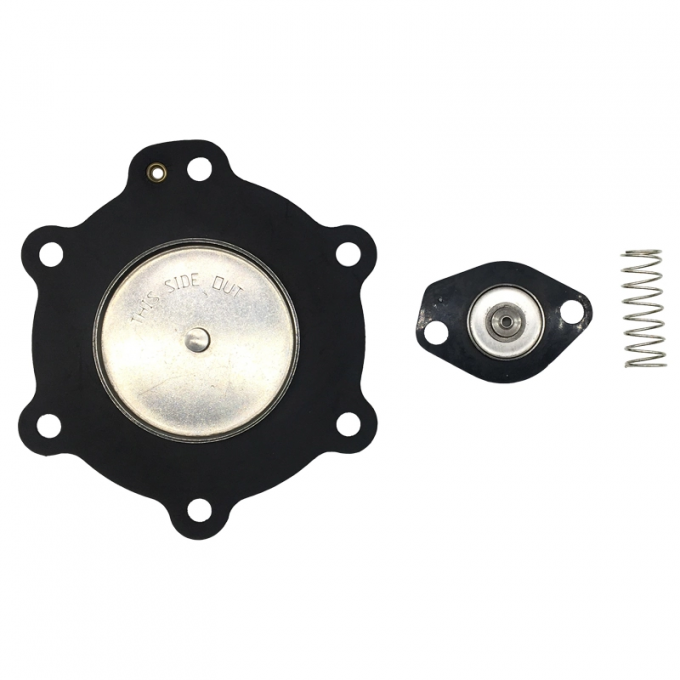
If the diaphragm is made from a stiffer material, the opening process becomes slower. The airflow peak becomes less sharp, which may reduce cleaning efficiency in pulse solenoid valve for bag filter systems.
The diaphragm material also determines how quickly the valve closes after a pulse cycle. For a normally closed pulse solenoid valve, the diaphragm must return to its sealing position immediately once pressure equalizes.
If the diaphragm seal material has poor recovery characteristics, the valve may close slowly, allowing compressed air to continue escaping. This can increase energy consumption and potentially lead to a pulse valve leakage problem.
In high pressure pulse solenoid valve systems or pulse solenoid valve for compressed air applications, even small delays in closing can significantly increase air usage.
When selecting diaphragm materials for pulse solenoid valve in pneumatic systems, engineers usually evaluate elasticity, temperature resistance, and fatigue performance.
For standard dust collection systems, nitrile nylon diaphragm material or reinforced NBR rubber often provides the best combination of response speed and durability.
For aggressive environments, engineers may refer to a diaphragm material selection guide to choose FKM or PTFE composite diaphragms, which offer improved chemical and thermal resistance.
To maintain reliable performance of a pulse solenoid valve diaphragm, routine inspection is recommended.
Engineers often focus on:
◆ Checking diaphragm elasticity and surface cracks
◆ Replacing diaphragms based on pulse cycle solenoid valve frequency
◆ Keeping compressed air clean and dry
◆ Performing pulse solenoid valve troubleshooting when airflow intensity decreases
Proper diaphragm material selection and maintenance ensure that a pulse jet valve for industrial automation maintains consistent response speed and cleaning performance over long operating periods.
(FK9025)
You May Interest In


Apr 02, 2025 Blog
How Does the Pulse Valve Work






Get a free sample

FOKCA ©1998-2025 All Rights Reserved Sitemap