- sales@fokca.com info@fokca.com
- WhatsApp: +86 150 5749 1870

Custom Cylinders & System Solutions Manufacturer | Est. 1998
Custom Cylinders & System Solutions Manufacturer | Est. 1998

Mar 12, 2026

The pulse solenoid valve is widely used in dust collector systems to generate short bursts of compressed air for filter bag cleaning. Unlike conventional solenoid valves, pulse valves are designed for short energizing cycles rather than continuous operation.
In most pulse solenoid valve for dust collector applications, the coil is energized only for a few milliseconds during each cleaning pulse. However, incorrect controller settings or system faults may cause the coil to remain energized longer than intended. Excessive energizing time can increase coil temperature and change the mechanical load on the diaphragm, potentially affecting valve performance and lifespan.
In a typical pulse jet solenoid valve, the solenoid valve coil generates a magnetic field when energized. This magnetic force moves the pilot mechanism and opens the main valve. Compressed air stored in the reservoir is then released through the valve, producing a high-speed air pulse for cleaning.
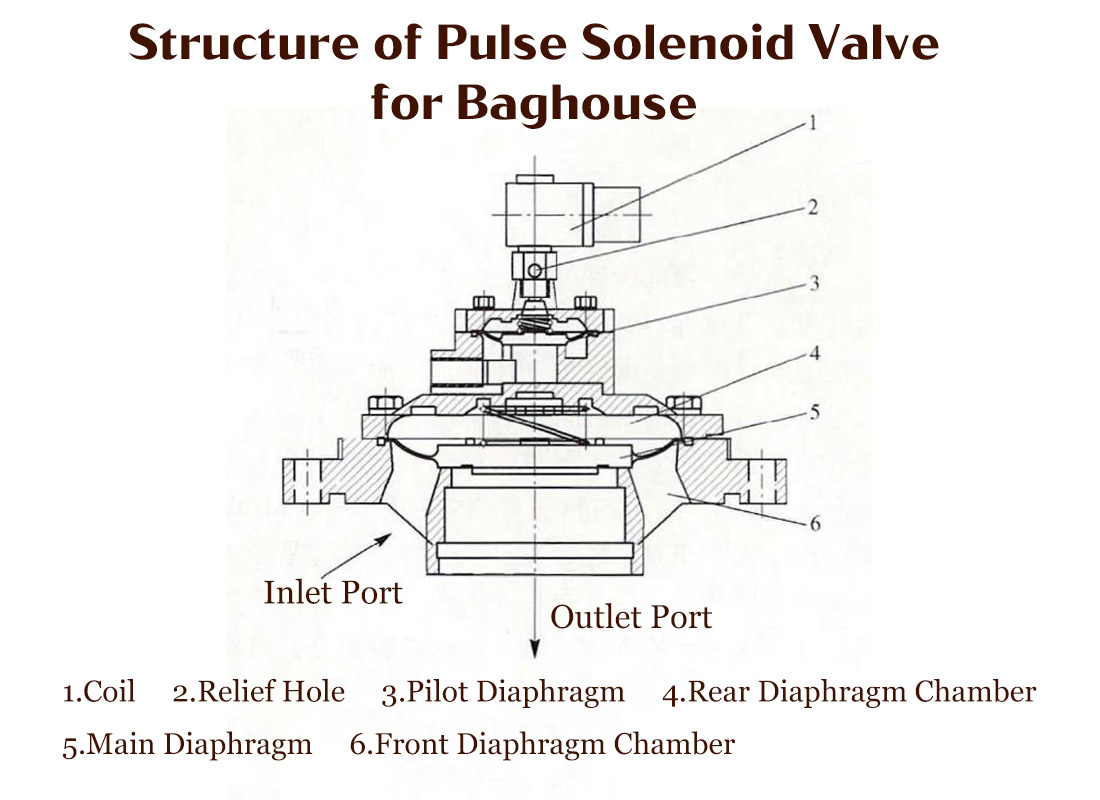
The coil only needs to remain energized briefly to trigger this action. In most pulse solenoid valve timing control systems, the energizing time is typically between 50 and 200 milliseconds.
Once the pilot valve opens, air pressure assists the main diaphragm movement, allowing the pulse operated solenoid valve to complete its cycle quickly.
Because of this operating principle, pulse valves are designed for intermittent energizing rather than continuous power supply.
If the solenoid coil valve remains energized for an extended period, electrical current continuously flows through the coil windings. This generates heat, causing the coil temperature to rise.
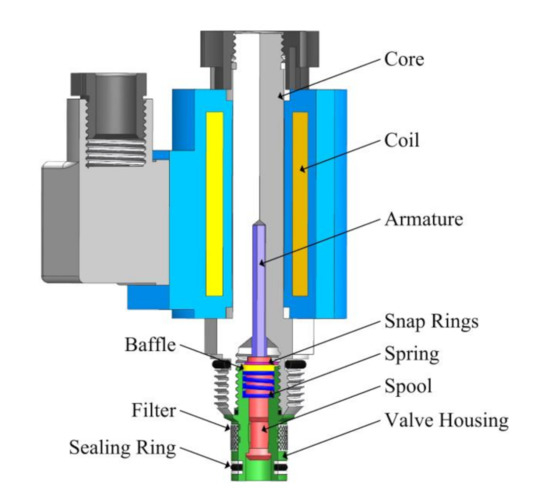
In pulse solenoid valve in pneumatic systems, excessive coil heating can lead to several problems. Insulation materials inside the coil may degrade faster, reducing electrical reliability. High temperatures may also affect the magnetic efficiency of the coil.
For a fast response pulse solenoid valve, overheating can reduce magnetic response speed and affect valve opening performance.
Another important effect of excessive energizing time involves the pulse solenoid valve diaphragm.
During normal operation, the diaphragm opens briefly and then returns to its original position once the pulse cycle ends. However, if the coil remains energized, the pilot valve may keep the main valve open longer than necessary.
In pulse solenoid valve for filtration system applications, this extended opening period means that the diaphragm experiences a continuous pressure load. Over time, this may lead to diaphragm fatigue, deformation, or sealing deterioration.
These conditions can eventually cause pulse valve leakage problems or unstable cleaning performance.
The energizing duration directly influences coil temperature and diaphragm stress in a pulse cleaning solenoid valve system.
| Coil Energizing Time | Coil Temperature | Diaphragm Stress | Valve Operation Stability |
|---|---|---|---|
| 50–100 ms | Low | Normal | Stable |
| 100–200 ms | Moderate | Slight increase | Normal |
| 200–500 ms | High | Increased | Reduced stability |
| Continuous energizing | Very high | Continuous load | Risk of damage |
As shown in the table, prolonged energizing increases mechanical and thermal stress on the valve components.
Proper controller configuration is essential for reliable operation of a pulse solenoid valve control system. Engineers working with pulse solenoid valve for baghouse installations typically focus on maintaining correct pulse duration.
Common engineering practices include:
◆ Use a stable solenoid valve pulse controller for accurate pulse timing
◆ Avoid continuous energizing of the valve coil
◆ Monitor coil temperature during system operation
◆ Perform pulse solenoid valve troubleshooting if abnormal pulse behavior appears
Following these practices helps protect the coil for solenoid valve and ensures that the pulse solenoid valve for pneumatic cleaning operates efficiently over long service periods.
(FK9025)
You May Interest In




Get a free sample

FOKCA ©1998-2025 All Rights Reserved Sitemap