- sales@fokca.com info@fokca.com
- WhatsApp: +86 150 5749 1870

Custom Cylinders & System Solutions Manufacturer | Est. 1998
Custom Cylinders & System Solutions Manufacturer | Est. 1998

Mar 10, 2026
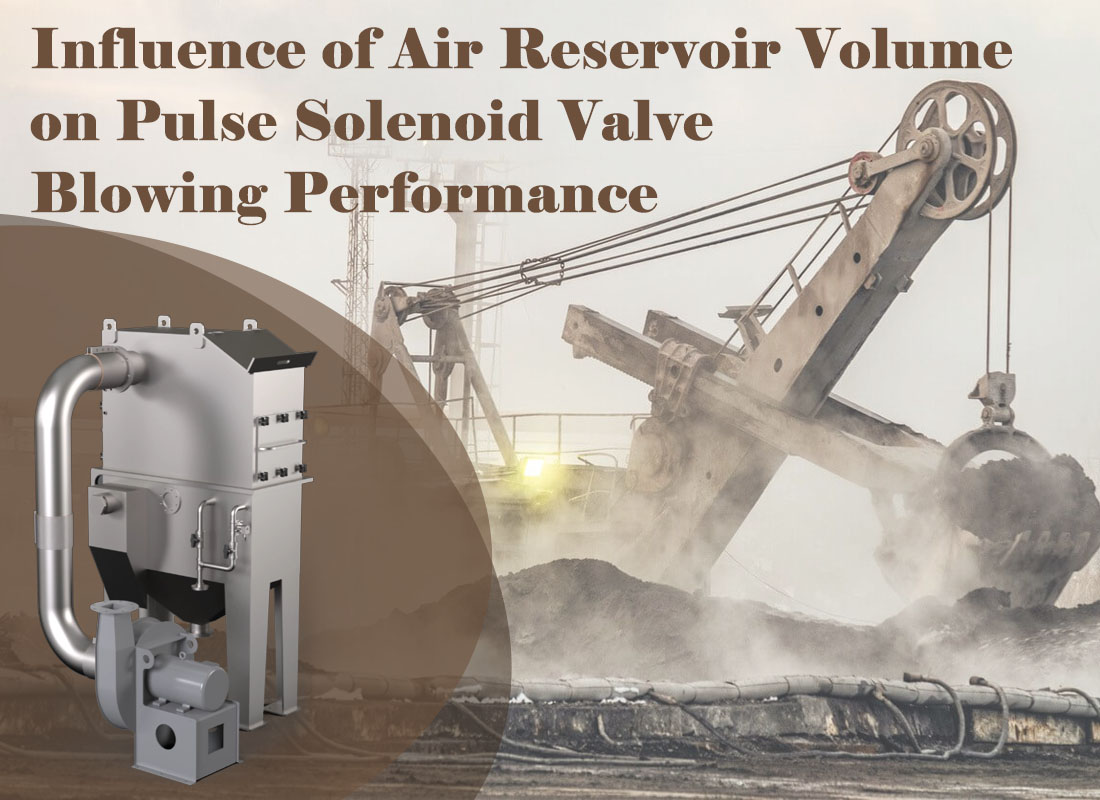
In industrial dust collection systems, the pulse solenoid valve plays a critical role in cleaning filter bags by releasing compressed air pulses within milliseconds. While valve design, diaphragm performance, and supply pressure are important factors, the air reservoir volume is another key parameter that strongly affects blowing performance.
The air reservoir serves as the primary energy storage source for the pulse jet solenoid valve system. During each cleaning cycle, compressed air stored in the reservoir is rapidly discharged through the valve to generate a strong air pulse. If the reservoir capacity is insufficient, the pressure inside the tank can drop quickly during the pulse event, reducing airflow intensity.
This is why the same pulse solenoid valve for dust collector may perform differently depending on the reservoir configuration.
In a typical pulse solenoid valve for baghouse installation, compressed air from the compressor is first stored in an air tank or reservoir. Multiple pulse operated solenoid valve units are connected to this reservoir through a manifold.
When the solenoid valve pulse controller triggers a cleaning cycle, the valve opens rapidly and compressed air is released into the blow pipe. The air reservoir ensures that a sufficient volume of air is available instantly.
For a stable pulse solenoid valve control system, the reservoir must maintain pressure even when several valves operate sequentially.
If the reservoir volume is too small, a large amount of compressed air leaves the tank during the pulse event. Because the compressor cannot replenish the air immediately, the reservoir pressure drops temporarily.
This pressure drop leads to several operational effects:
◆ Lower peak airflow during the pulse
◆ Extended discharge duration
◆ Uneven cleaning performance between valves
In systems using pulse frequency solenoid valve operation, repeated pulses can gradually reduce reservoir pressure if the tank capacity is insufficient. This directly affects the efficiency of the pulse solenoid valve for filtration system.
In many installations, the same pulse solenoid valve for compressed air can show different cleaning performance depending on reservoir size and piping layout.
A larger reservoir allows the fast response pulse solenoid valve to release compressed air at a stable pressure, generating a stronger pulse. In contrast, a small reservoir may experience significant pressure fluctuations during operation.
| Air Reservoir Condition | Pressure Stability | Peak Airflow | Cleaning Efficiency |
|---|---|---|---|
| Large reservoir volume | Very stable | High | Excellent |
| Medium reservoir volume | Slight fluctuation | Moderate | Stable |
| Small reservoir volume | Noticeable pressure drop | Reduced | Cleaning uneven |
| Very small reservoir | Large pressure drop | Low | Poor cleaning performance |
This table illustrates why identical high pressure pulse solenoid valve models may perform differently in various installations.
From a pneumatic system perspective, pulse cleaning energy is determined by pressure and instantaneous airflow. In pulse solenoid valve in pneumatic systems, the reservoir functions as an energy storage unit.
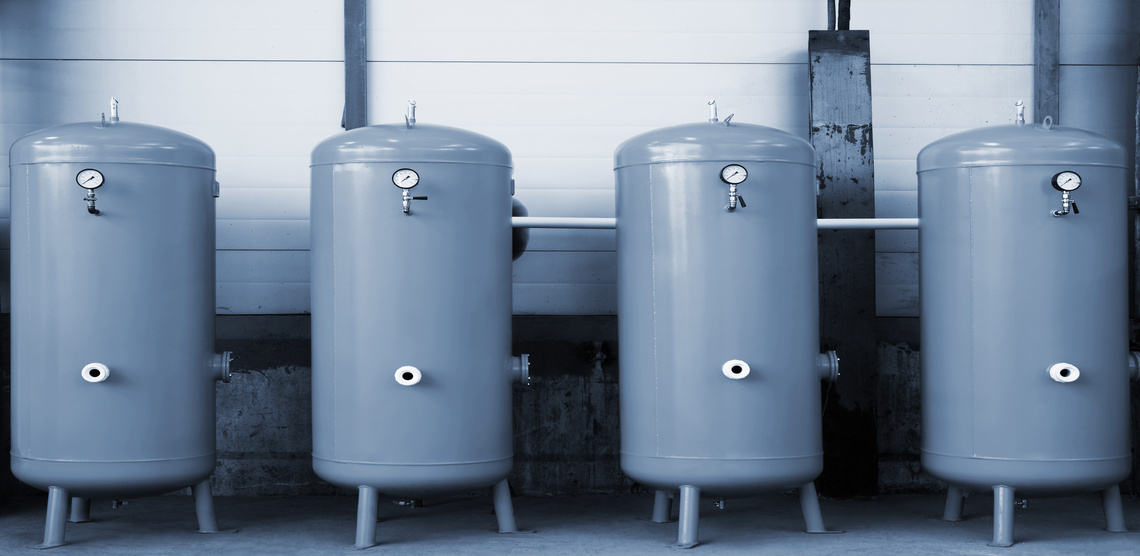
With sufficient tank volume, the pressure change during each pulse cycle remains minimal. This allows the pulse cleaning solenoid valve to release a strong and consistent airflow burst.
When the reservoir is too small, pressure drops quickly during each cycle. As a result, the air pulse weakens and dust removal becomes less effective.
For this reason, engineers designing pulse jet valve for industrial automation or large dust collector systems typically calculate reservoir capacity based on valve quantity, pulse interval, and supply pressure.
Proper reservoir sizing is essential for reliable operation of a pulse solenoid valve for dust collector system.
Engineers typically consider the following points:
◆ Ensure reservoir capacity supports multiple pulse cycles without significant pressure loss
◆ Minimize airflow resistance in pipelines
◆ Monitor system pressure to identify performance changes
◆ Perform pulse solenoid valve troubleshooting when cleaning efficiency decreases
A well-designed reservoir ensures that the pulse solenoid valve for pneumatic cleaning can deliver consistent pulse energy, improving dust removal efficiency and reducing compressed air consumption.
(FK9025)
You May Interest In


Apr 02, 2025 Blog
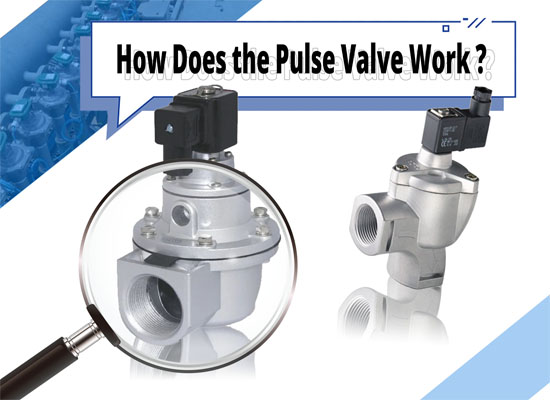
How Does the Pulse Valve Work





Get a free sample

FOKCA ©1998-2025 All Rights Reserved Sitemap