- sales@fokca.com info@fokca.com
- WhatsApp: +86 150 5749 1870

Custom Cylinders & System Solutions Manufacturer | Est. 1998
Custom Cylinders & System Solutions Manufacturer | Est. 1998

Apr 10, 2026
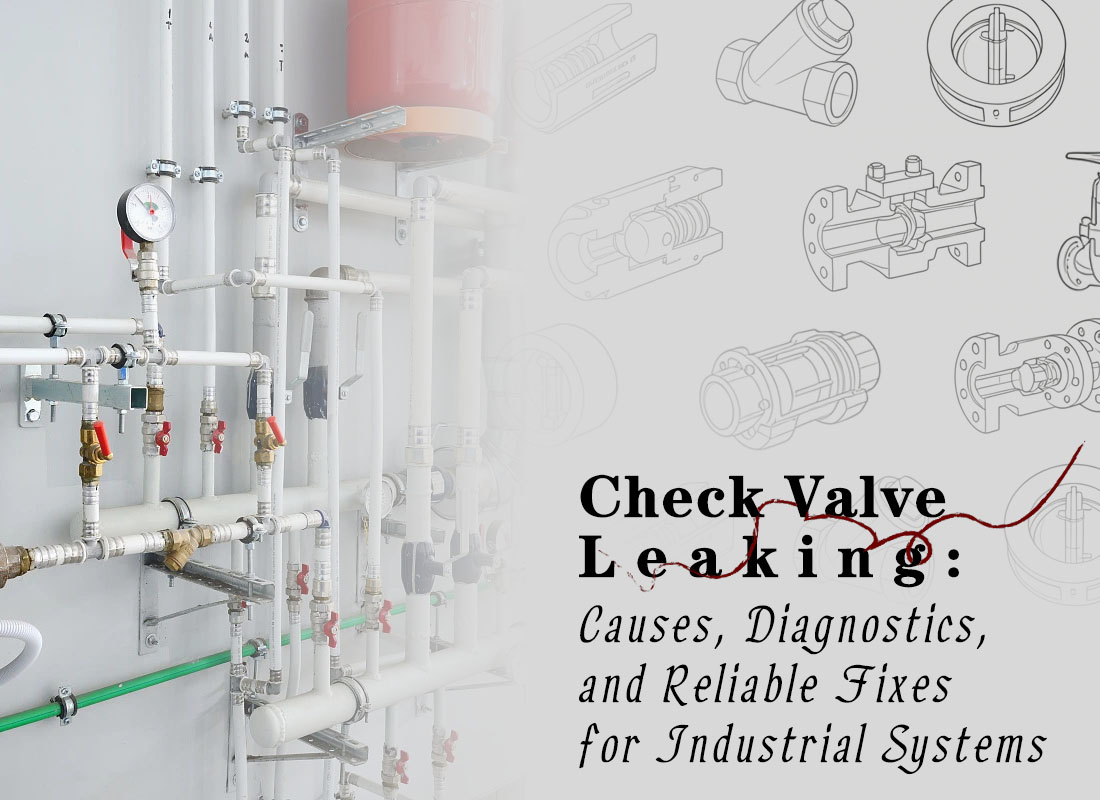
A leaking check valve often appears as a minor issue at first, but in industrial pipelines it can quickly lead to pressure instability, backflow contamination, and equipment wear. In water treatment lines, even a small leak in a water check valve may allow reverse flow, affecting system hygiene and downstream components.
In compressed air systems, leakage in an air compressor check valve can cause pressure loss, increasing compressor cycling frequency and energy consumption. Over time, this not only reduces efficiency but also shortens equipment lifespan. Recognizing early leakage signs is therefore essential for system reliability.
Leakage in a one way valve is rarely caused by a single factor. Instead, it is usually the result of mechanical wear combined with system conditions.
The sealing surface is the most vulnerable part. Continuous operation, especially with particles or high velocity flow, gradually damages the seat.
◆ Metal-to-metal seats tend to develop micro scratches
◆ Elastomer seals may harden or crack over time
◆ Even a 0.1 mm gap can lead to measurable leakage under pressure
This is particularly common in swing check valve designs used in water systems with suspended solids.
Foreign particles are a frequent cause of leakage. In pipelines without proper filtration, debris can become trapped between the disc and seat.
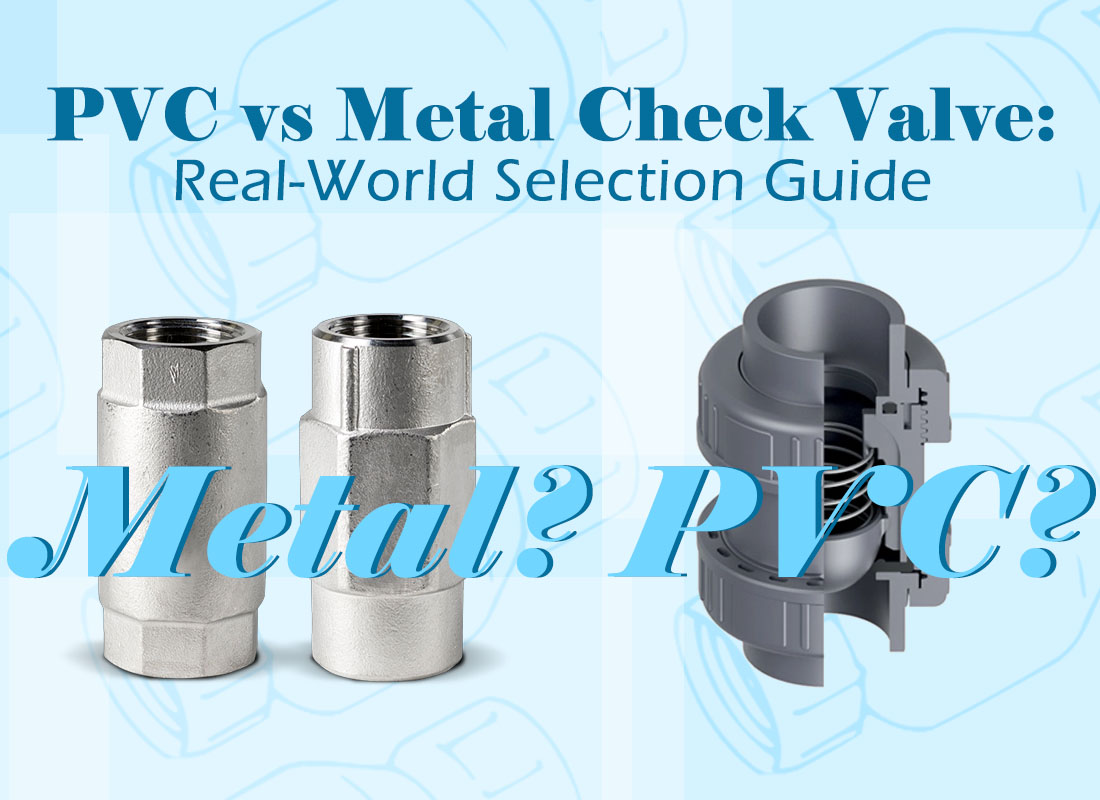
For example, in a pvc check valve used in irrigation or chemical dosing systems, sand or scale buildup can prevent full closure. This leads to continuous minor leakage, which may go unnoticed until system performance drops.
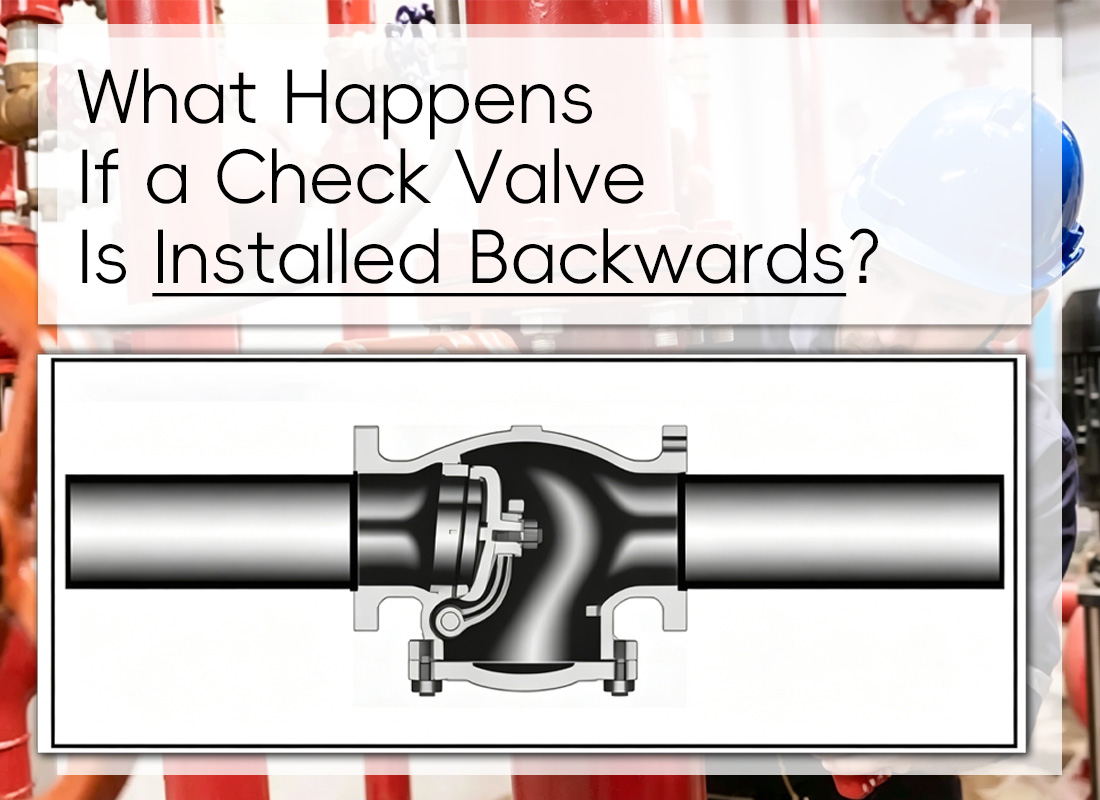
A check valve installation error can significantly affect sealing performance. Installing a valve against the intended flow direction or at an incorrect angle reduces closing force.
In vertical pipelines, using a spring check valve instead of a gravity-based design often improves sealing reliability. Incorrect installation is one of the most overlooked causes in field applications.
Every valve has a defined cracking pressure, the minimum pressure required to open it. If system flow is too low, the valve may not fully close after operation.
This is especially critical in inline check valve configurations where flow velocity fluctuates. Partial closure leads to unstable sealing and intermittent leakage.
Different valve structures respond differently to leakage conditions. Engineers often compare designs when troubleshooting.
| Valve Type | Leakage Risk | Typical Cause | Application Scenario |
|---|---|---|---|
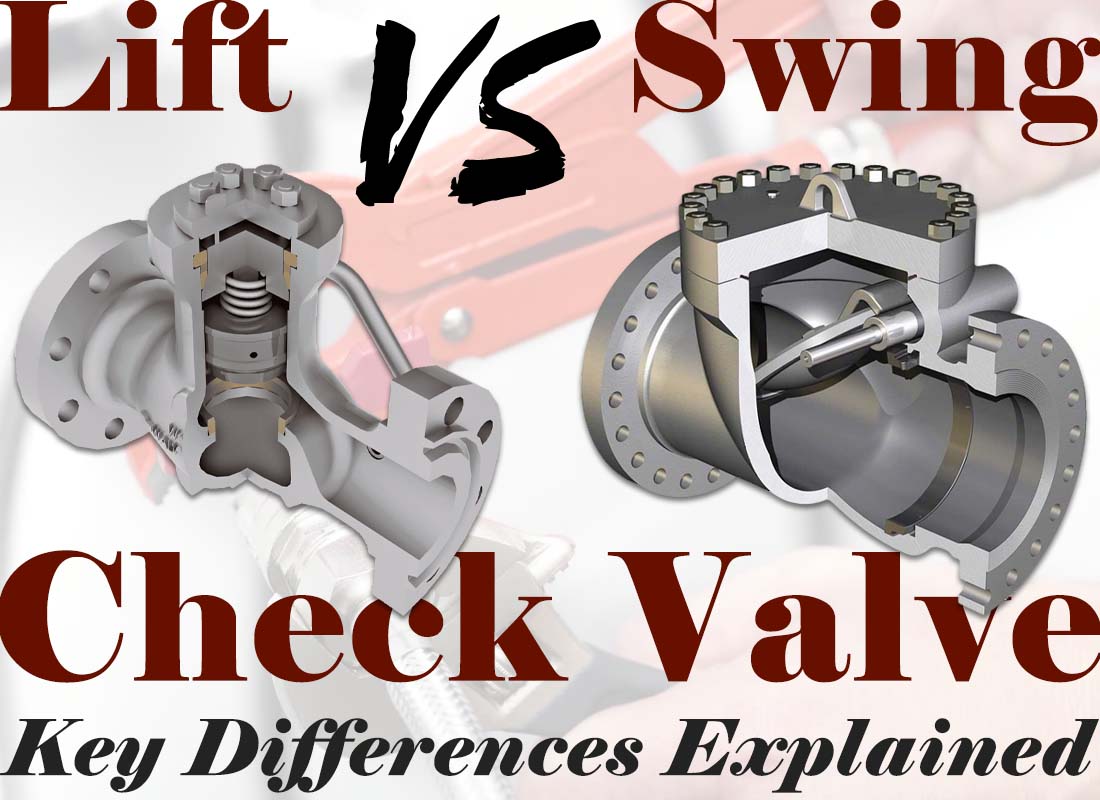
| Swing Check Valve | Medium | Debris, slow closure | Water pipelines, sewage |
| Spring Check Valve | Low | Seal wear, spring fatigue | Air, clean fluids |
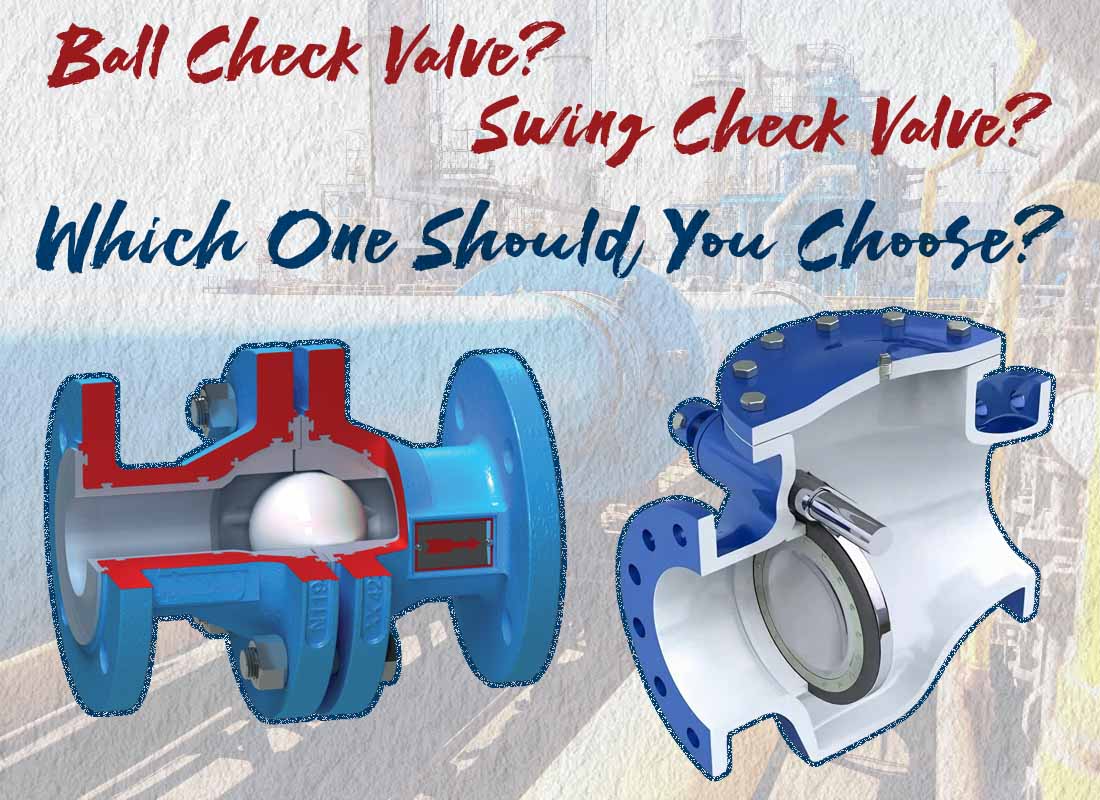
| Ball Check Valve | Medium | Seat wear, particle trapping | Slurry, viscous fluids |
| Wafer Check Valve | Low | Installation misalignment | Compact industrial systems |
Leak detection requires both observation and measurement. In many systems, leakage is not immediately visible but affects performance.
Pressure monitoring is one of the most effective methods. A drop in downstream pressure when the system is idle often indicates reverse flow through a non return check valve. In water systems, backflow can sometimes be confirmed through flow meters or visual inspection.
Noise can also be a signal. A leaking valve may produce soft tapping or irregular vibration, especially in high-frequency systems like pump lines.
Addressing leakage depends on identifying the root cause rather than replacing components blindly.
Replacing worn seals is often the first step. For frequently failing valves, upgrading to a stainless steel check valve improves durability, especially in corrosive environments. In systems with debris, installing upstream filtration significantly reduces recurrence.
For low-pressure applications, selecting a low cracking pressure check valve ensures proper closure even under minimal flow conditions. In pump systems, repositioning the valve closer to the pump outlet can also improve sealing performance.
System design plays a major role in long-term valve performance. Choosing the right valve type based on media, pressure, and flow characteristics reduces failure risk.
◆ Use spring loaded check valves for fast response and tight sealing
◆ Avoid oversizing valves, which reduces flow velocity
◆ Install valves in accessible locations for easier maintenance
In critical systems such as sump pump check valve installations, selecting a quiet check valve design can also reduce vibration-related wear.
(FK9025)
You May Interest In
Apr 09, 2026 Blog
Why Check Valves Make Noise and How to Fix It?
Apr 08, 2026 Blog
Check Valve Backflow Problem: Causes and Solutions
Apr 07, 2026 Blog
Why Your Check Valve Is Not Closing (Causes & Fixes)

Get a free sample

FOKCA ©1998-2025 All Rights Reserved Sitemap