- sales@fokca.com info@fokca.com
- WhatsApp: +86 150 5749 1870

Custom Cylinders & System Solutions Manufacturer | Est. 1998
Custom Cylinders & System Solutions Manufacturer | Est. 1998

Apr 13, 2026
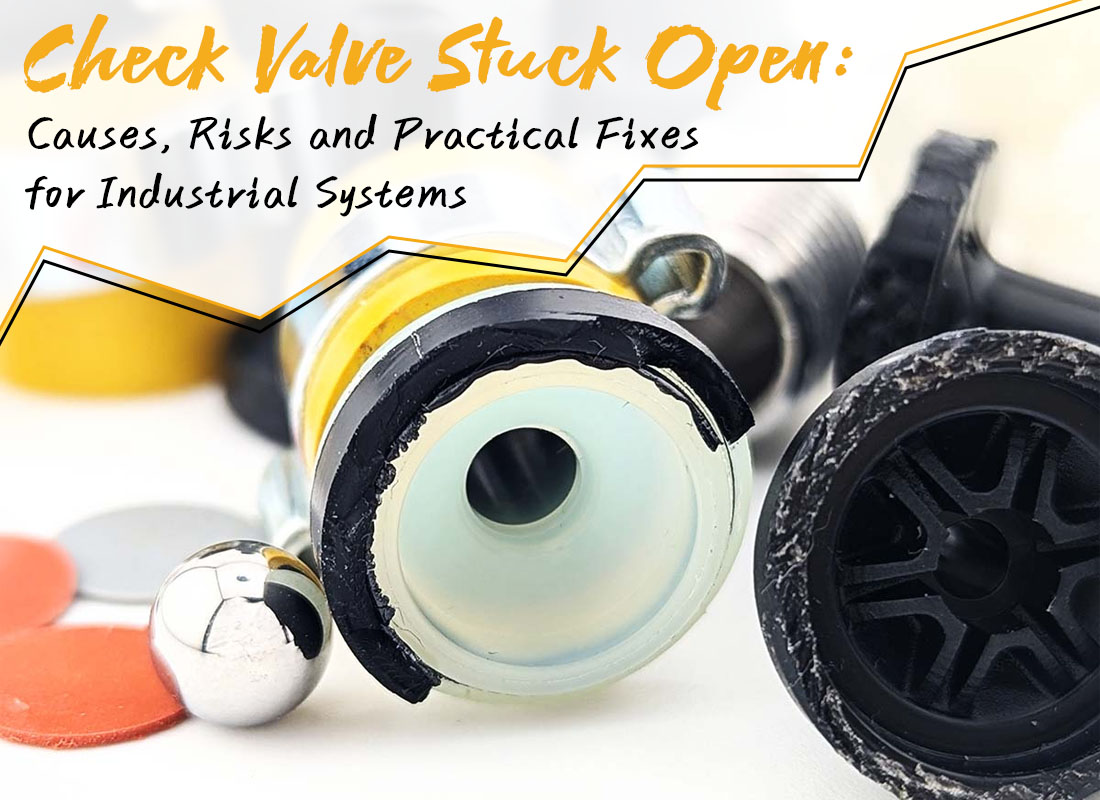
A check valve—also known as a one way valve—is designed to allow fluid to flow in only one direction while preventing backflow. In systems like sump pump check valve installations, irrigation lines, or compressed air systems, this simple function protects equipment and maintains pressure stability. When operating correctly, it works automatically without manual intervention, relying on flow pressure differences.
In industrial applications, whether it's a pvc check valve in water treatment or an air compressor check valve, reliability is critical. Even a minor malfunction can lead to pressure drops, contamination, or mechanical wear. Among all failure modes, a valve stuck open is one of the most disruptive.
A stuck-open inline check valve often results from a combination of mechanical wear and environmental conditions. One common cause is debris buildup. In pipelines carrying untreated water or slurry, particles can lodge between the valve disc and seat, preventing proper closure.
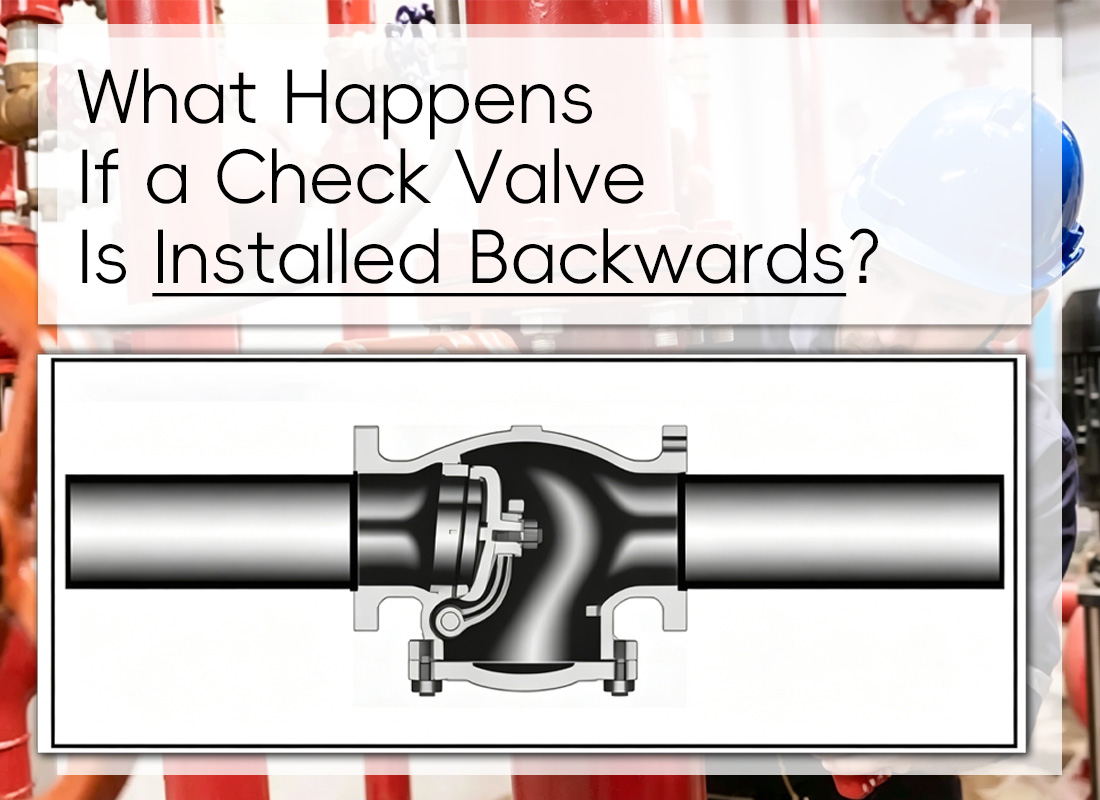
Another frequent issue is spring fatigue in a spring check valve. Over time, repeated cycles weaken the spring force, especially in high-frequency systems such as HVAC or pump lines. Additionally, improper installation—such as incorrect orientation in a swing check valve—can lead to incomplete sealing.
Corrosion also plays a role, particularly in metal valves used in chemical or marine environments. According to industry maintenance reports, over 35% of valve failures in fluid systems are linked to material degradation or improper material selection.
When a non return check valve fails to close, the immediate consequence is backflow. In a well pump check valve system, this can cause water to drain back into the well, leading to frequent pump cycling and energy waste. Over time, this increases wear on the pump motor.
In compressed air systems, a faulty compressor check valve may allow pressurized air to escape, reducing efficiency and increasing operational costs. In more sensitive systems like chemical dosing or fuel lines, backflow can contaminate upstream components, posing safety risks.
For distributors and equipment buyers, these failures translate into higher maintenance costs and potential downtime. For end users, it often appears as inconsistent system performance rather than an obvious valve issue.
Identifying the problem early can prevent larger system failures. One practical method is pressure monitoring. A sudden drop in downstream pressure or reverse flow detected by sensors often indicates a malfunctioning water check valve.
Audible cues can also help. In systems using a sump pump check valve, a missing “click” sound during shutdown may suggest the valve is not closing properly. Visual inspection, if accessible, can confirm debris or mechanical damage.
| Symptom | Possible Cause | Typical Valve Type Affected |
|---|---|---|
| Continuous backflow | Debris blocking closure | PVC check valve, swing check valve |
| Pressure loss in system | Worn sealing surface | Inline check valve |
| Frequent pump cycling | Valve not holding pressure | Well pump check valve |
| Air leakage (compressor system) | Spring fatigue or valve misfit | Air compressor check valve |
| Noise or vibration | Loose internal components | Spring check valve |
Fixing a stuck-open check valve depends on the root cause. If debris is the issue, cleaning the valve internals may restore function. For systems like irrigation or wastewater, installing upstream filtration can significantly reduce recurrence.
When dealing with worn components, replacement is often more cost-effective than repair. For example, replacing a ball check valve or dual check valve in high-cycle environments ensures long-term reliability. Material upgrades—such as switching to stainless steel or reinforced thermoplastics—can also improve durability.
Proper installation is equally important. Ensuring the correct flow direction and positioning (horizontal vs vertical) prevents operational stress. In systems like sump pumps, correct sump pump check valve installation can extend equipment lifespan by up to 20–30%, according to pump manufacturer data.
Different industries face unique challenges. In pool systems, a pool check valve must resist chlorine corrosion, while in fuel systems, a fuel check valve requires precise sealing to avoid leakage.
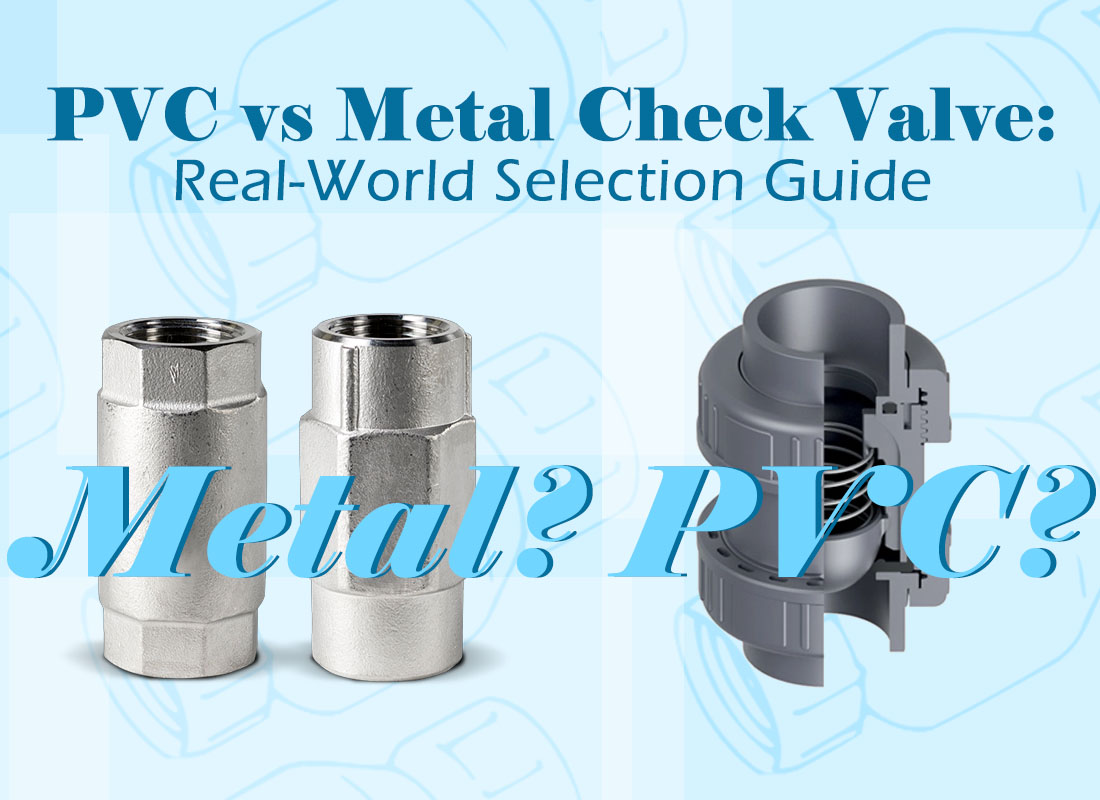
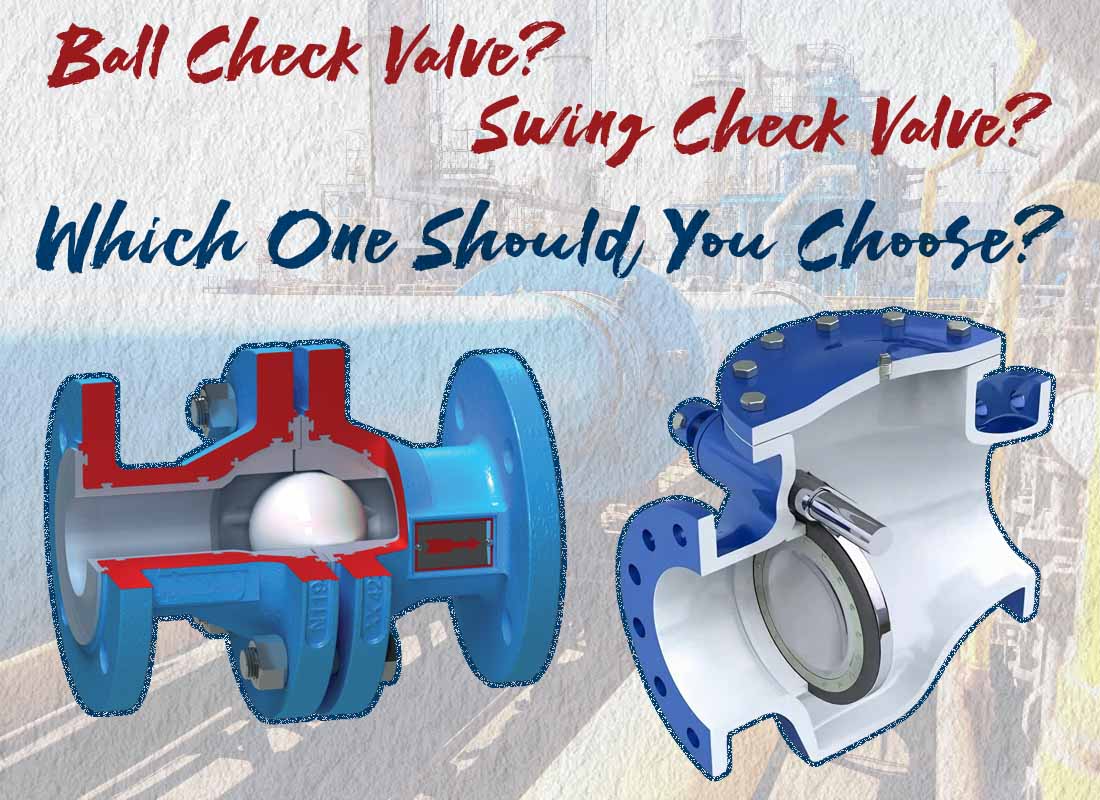
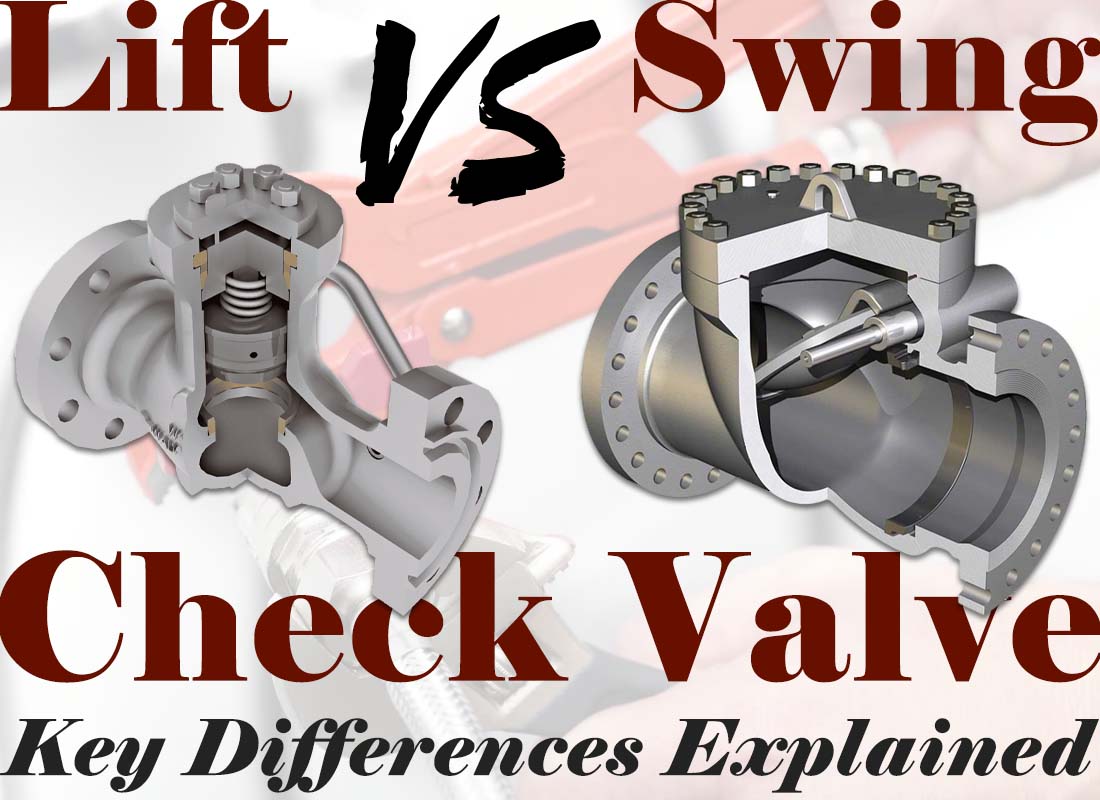
For distributors and procurement teams, selecting the right valve type—whether a spring loaded check valve or a swing check valve—should consider flow characteristics, pressure range, and maintenance accessibility. Engineers often prioritize lifecycle cost over initial price, especially in large-scale installations.
Maintaining a reliable check valve system involves consistent monitoring and smart component selection. For high-demand systems, periodic inspection every 3–6 months is recommended. In critical applications, integrating sensors for flow and pressure can provide early warnings.
◆ Choose valve materials based on fluid chemistry and temperature
◆ Avoid oversizing, which can reduce sealing efficiency
◆ Use certified components that meet industry standards (e.g., ISO, API)
◆ Train maintenance teams to recognize early failure signs
A well-selected and properly maintained one way check valve not only prevents backflow but also protects the entire system from cascading failures.
(FK9025)
You May Interest In
Apr 09, 2026 Blog
Why Check Valves Make Noise and How to Fix It?
Apr 08, 2026 Blog
Check Valve Backflow Problem: Causes and Solutions
Apr 07, 2026 Blog
Why Your Check Valve Is Not Closing (Causes & Fixes)





Get a free sample

FOKCA ©1998-2025 All Rights Reserved Sitemap