- sales@fokca.com info@fokca.com
- WhatsApp: +86 150 5749 1870

Custom Cylinders & System Solutions Manufacturer | Est. 1998
Custom Cylinders & System Solutions Manufacturer | Est. 1998

Apr 09, 2026
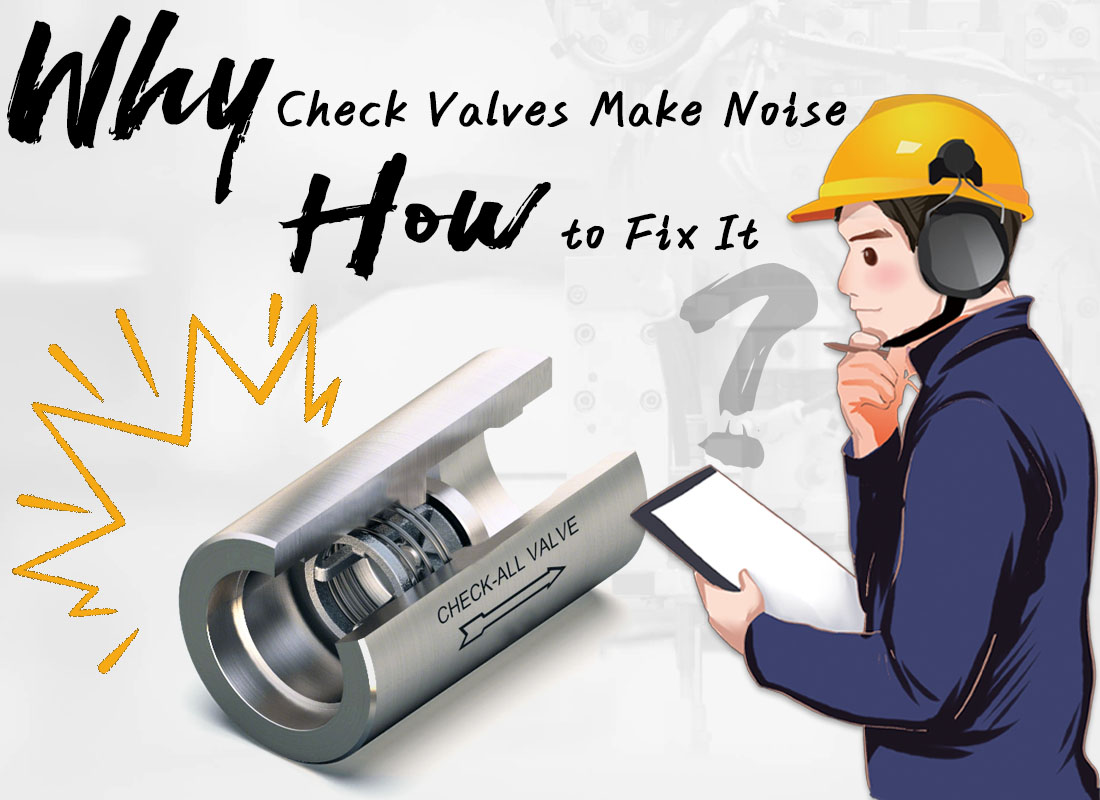
A check valve (also known as a one way valve) allows fluid to flow in one direction while preventing backflow. It is widely used in systems such as sump pump check valve, air compressor check valve, and well pump check valve applications. Although the function is straightforward, unexpected noise often signals underlying hydraulic or mechanical issues.
In industrial and commercial systems, noise is more than an annoyance. It may indicate pressure instability, improper installation, or internal wear. Industry maintenance data shows that unresolved valve noise can increase failure risk by 15–25%, especially in high-frequency operating systems.
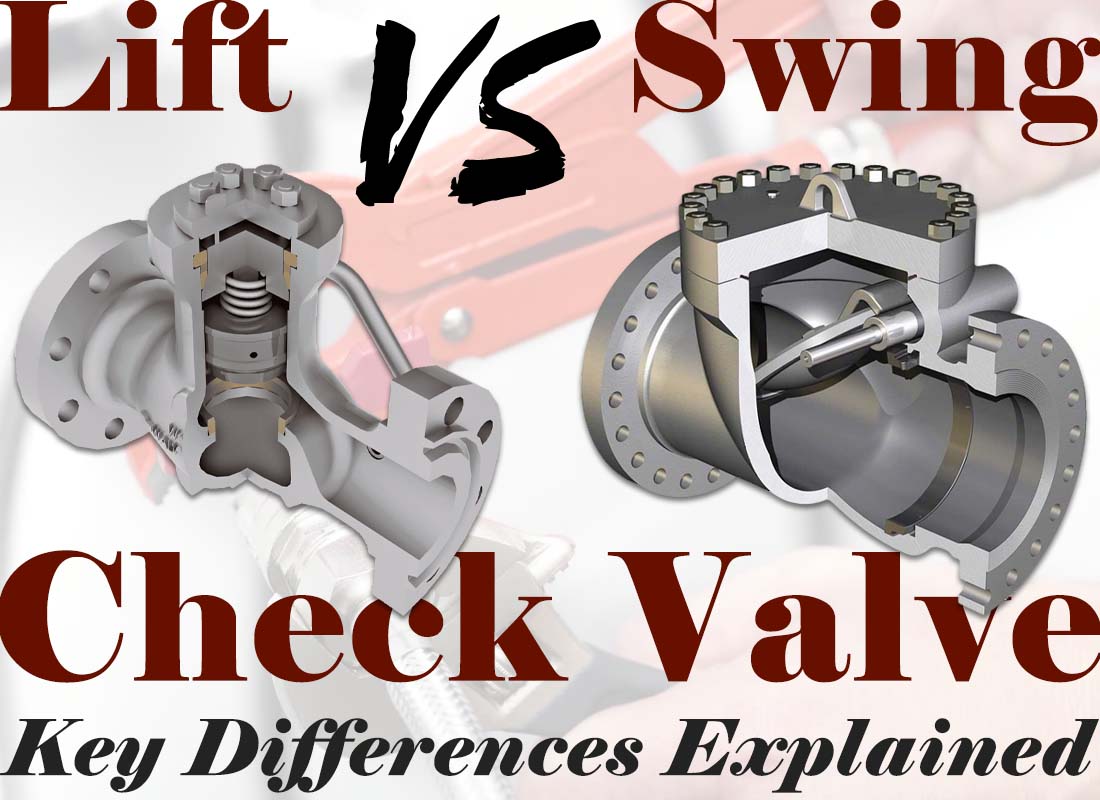
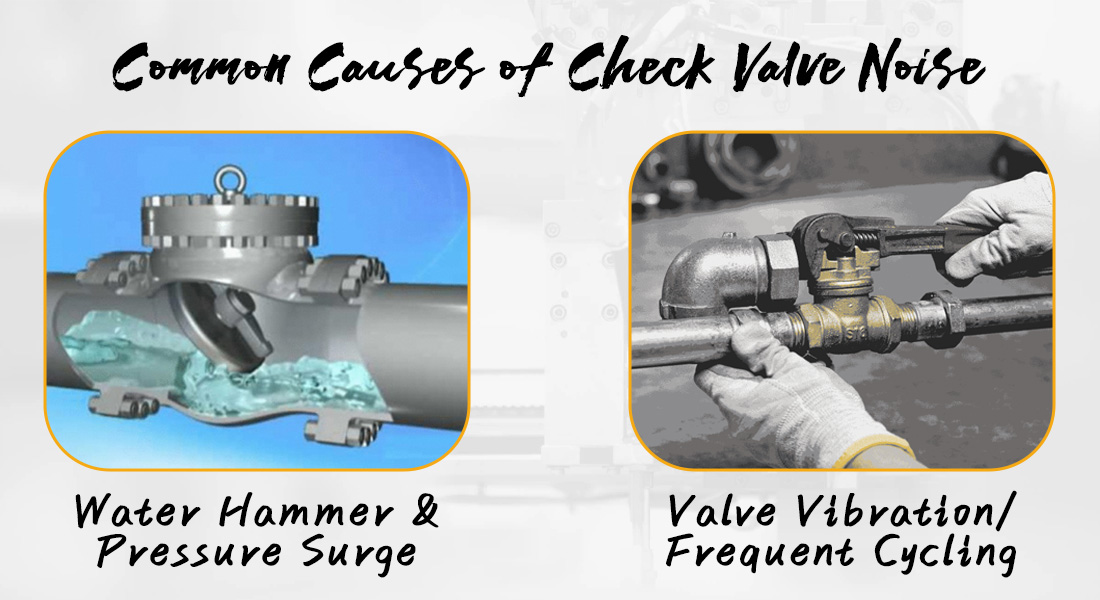
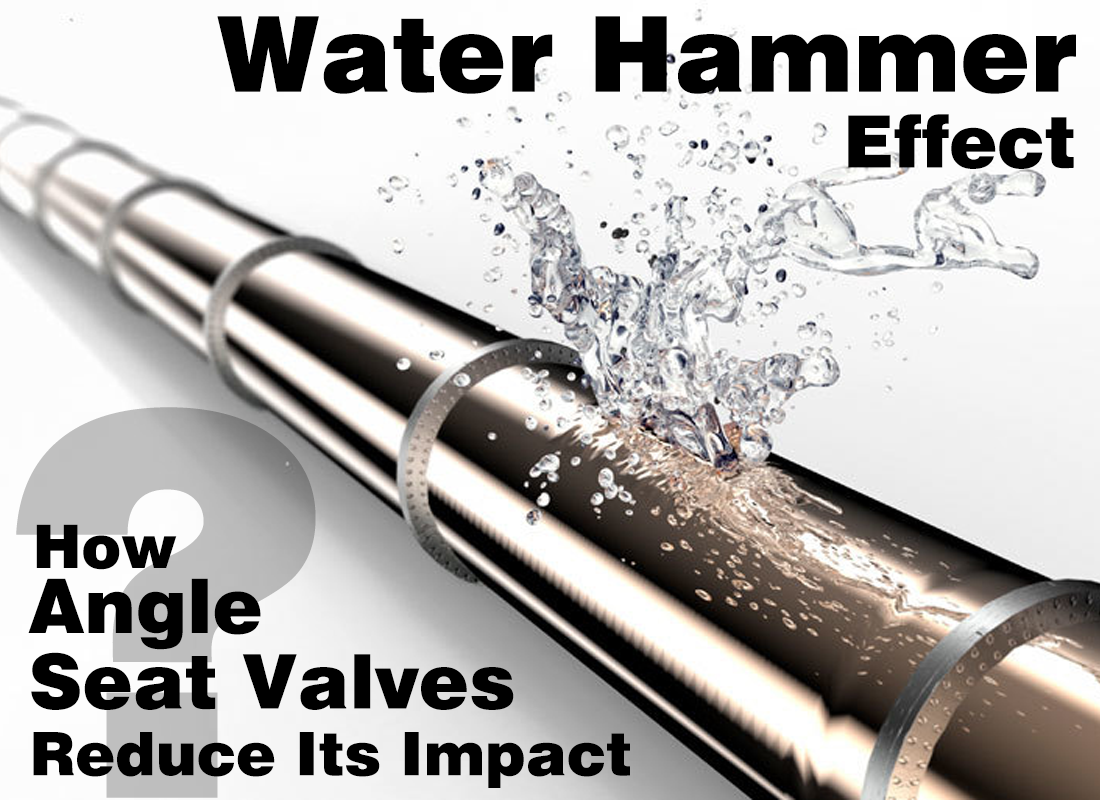
Water hammer occurs when fluid flow stops suddenly, creating a pressure spike. This is especially common in swing check valve designs, where the disc closes quickly.
The result is a loud banging sound that can damage pipes, joints, and fittings over time. Systems with long pipelines or high flow velocity are particularly prone to this issue.
Valve chatter happens when flow is insufficient to keep the valve fully open. This leads to repeated opening and closing cycles, often seen in spring check valve installations.
The noise is typically a continuous clicking or rattling, which accelerates wear on internal components and reduces valve lifespan.
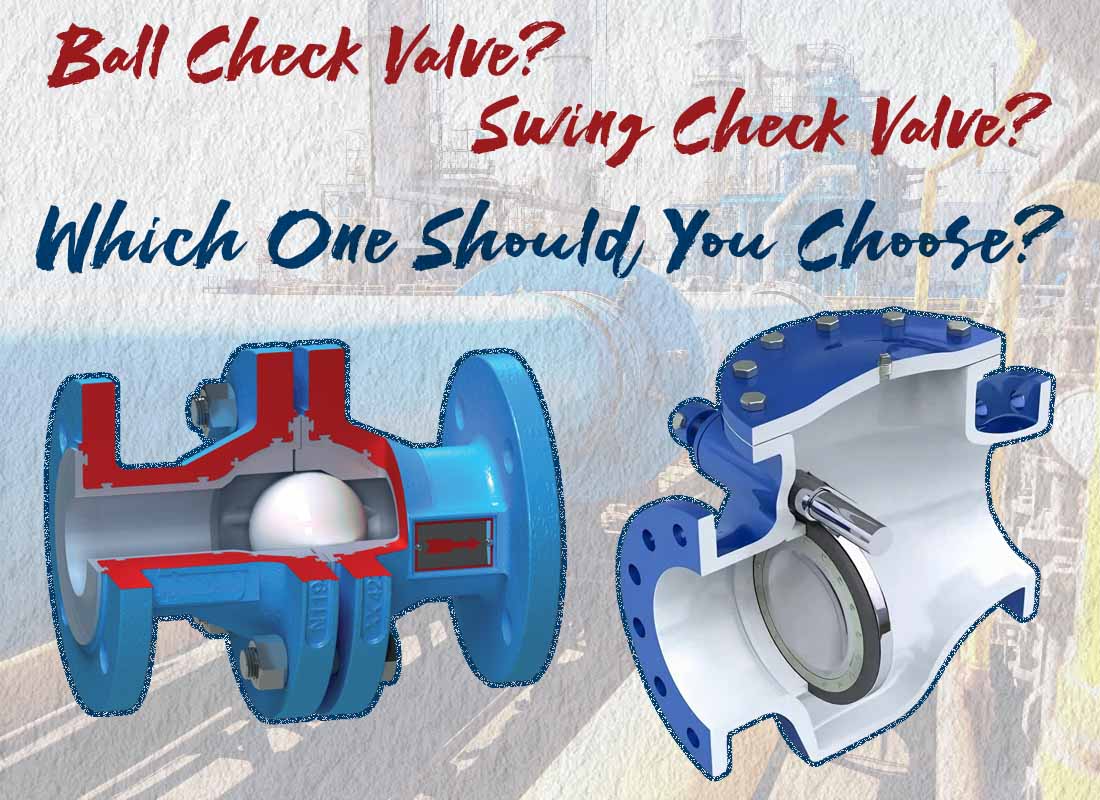
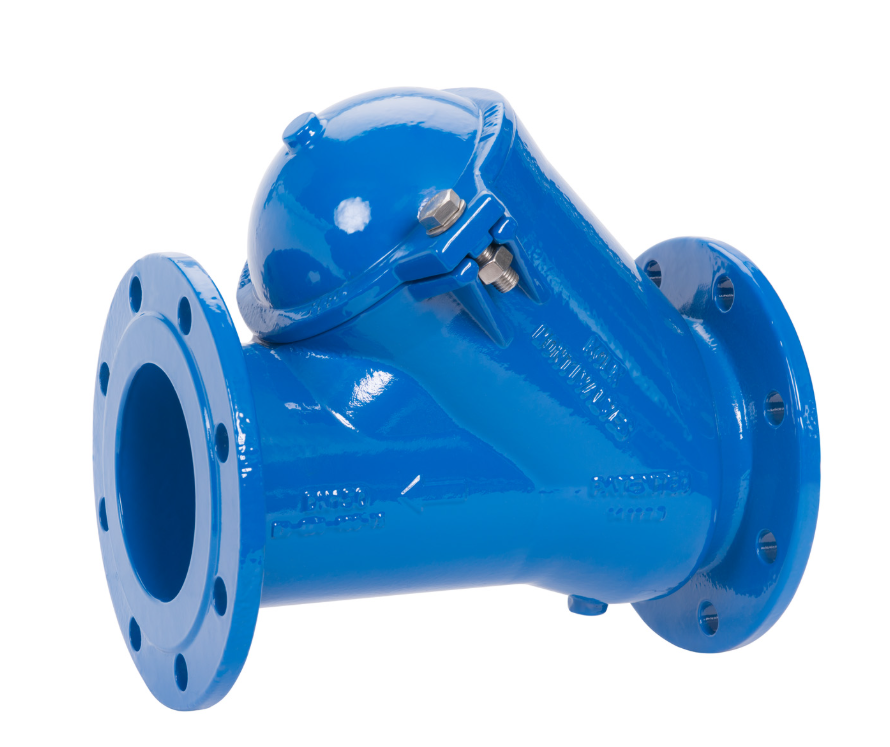
Using the wrong valve type—such as a ball check valve in a high-velocity system—can create instability and noise.
Each system requires specific characteristics, including cracking pressure, response time, and flow capacity. Mismatched selection often leads to inefficient operation and acoustic problems.
Air trapped in pipelines causes irregular flow patterns, leading to noise. In more severe conditions, cavitation occurs when pressure drops below vapor pressure, forming bubbles that collapse violently.
This is commonly observed in poorly vented water check valve systems or installations with incorrect piping design.
| Cause | Typical Valve Type | Noise Characteristic | Recommended Solution |
|---|---|---|---|
| Water hammer | Swing check valve | Loud banging | Install slow-closing or silent check valve |
| Valve chatter | Spring check valve | Rapid clicking | Ensure proper flow rate or resize valve |
| Improper selection | Ball check valve | Irregular noise | Choose correct valve type for system |
| Air entrainment | Inline check valve | Gurgling sound | Improve system venting |
| Cavitation | High-pressure systems | Crackling noise | Adjust pressure and flow conditions |
A silent check valve or spring loaded check valve closes gradually, significantly reducing water hammer and noise.
These valves are widely used in plumbing check valve systems where quiet operation and reliability are critical.
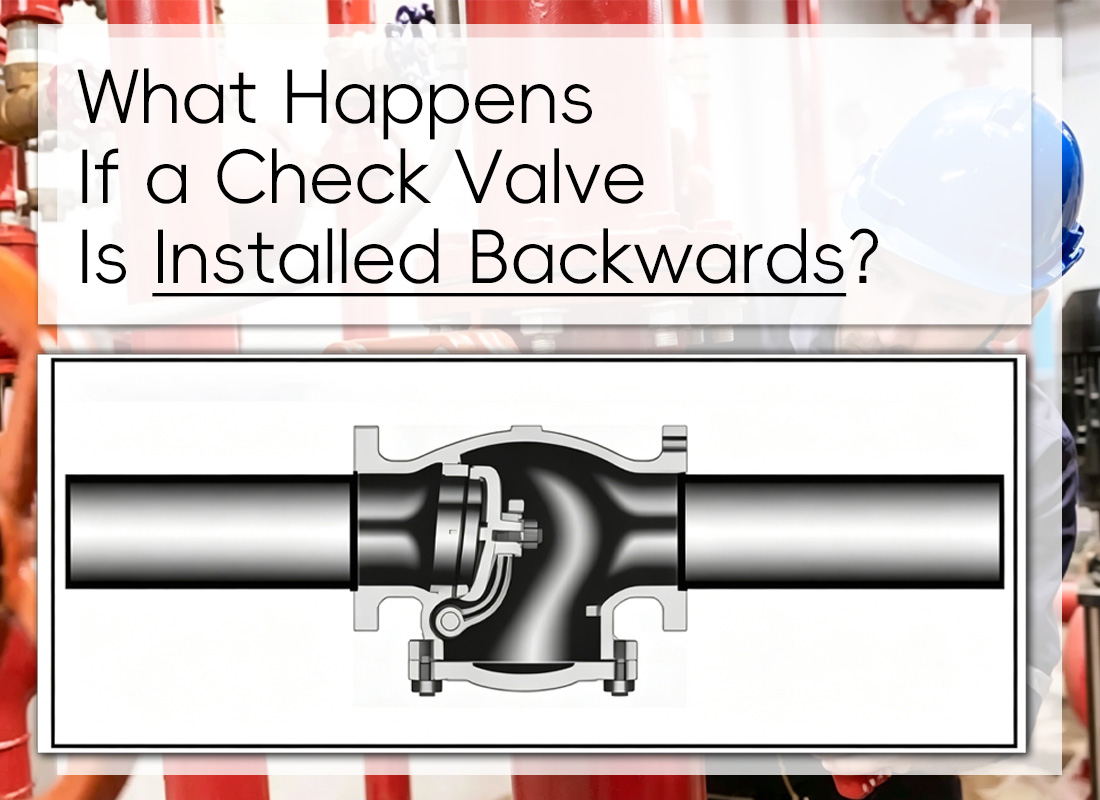
Improper installation can amplify noise. For instance, placing a sump pump check valve too far from the pump increases pressure fluctuation.
Correct positioning ensures smoother flow, reducing turbulence and vibration.
Oversized valves tend to chatter, while undersized ones create excessive pressure drops. Selecting the right size—such as a 1 inch check valve or 2 inch check valve—is essential.
Engineering best practices recommend maintaining flow velocity between 1.5–3 m/s for stable operation.
Debris buildup and wear can interfere with valve performance. Regular inspection helps detect issues early.
For systems like air compressor check valve or pool check valve, shorter maintenance cycles are recommended due to frequent operation.
Reducing noise improves both system performance and longevity. Choosing appropriate check valve types and ensuring proper installation are key to achieving stable operation.
◆ Select low-noise valve designs for sensitive environments
◆ Avoid oversizing to reduce vibration
◆ Monitor system pressure regularly
◆ Use inline check valve designs in compact systems
A quieter system usually reflects a well-balanced fluid design, helping reduce maintenance costs and improve efficiency.
(FK9025)
You May Interest In
Apr 08, 2026 Blog
Check Valve Backflow Problem: Causes and Solutions
Apr 07, 2026 Blog
Why Your Check Valve Is Not Closing (Causes & Fixes)

Get a free sample

FOKCA ©1998-2025 All Rights Reserved Sitemap