- sales@fokca.com info@fokca.com
- WhatsApp: +86 150 5749 1870

Custom Cylinders & System Solutions Manufacturer | Est. 1998
Custom Cylinders & System Solutions Manufacturer | Est. 1998

Apr 16, 2026
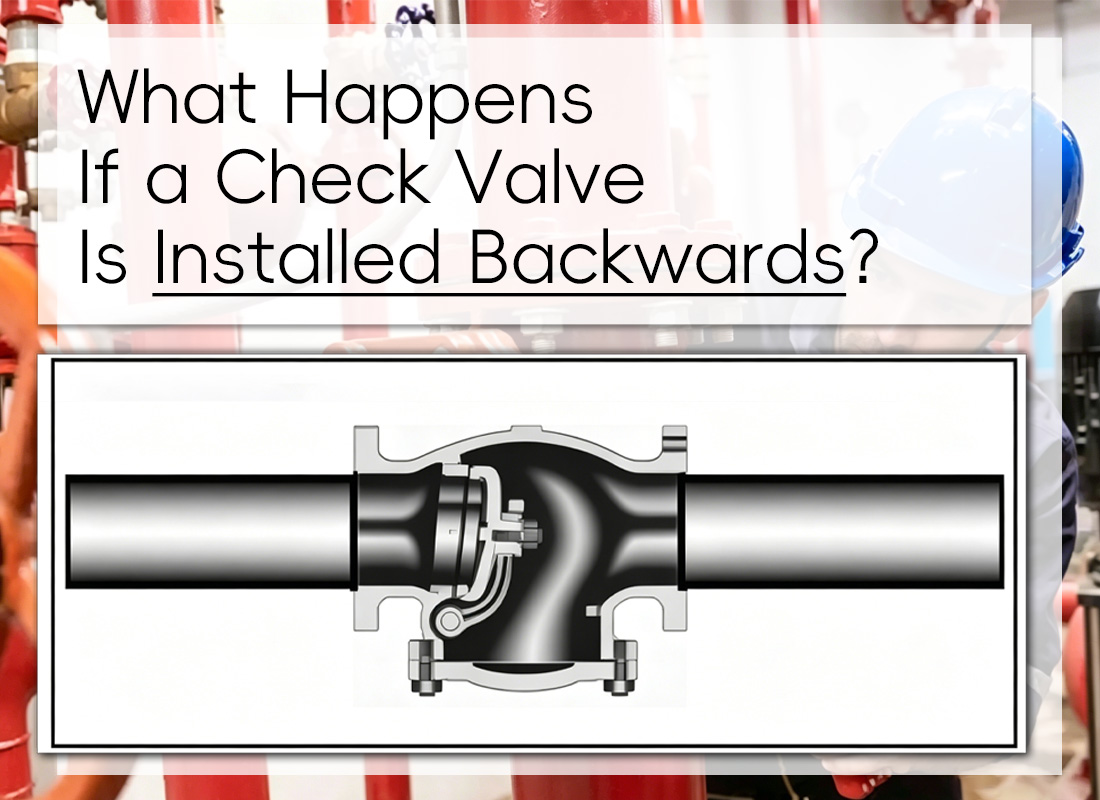
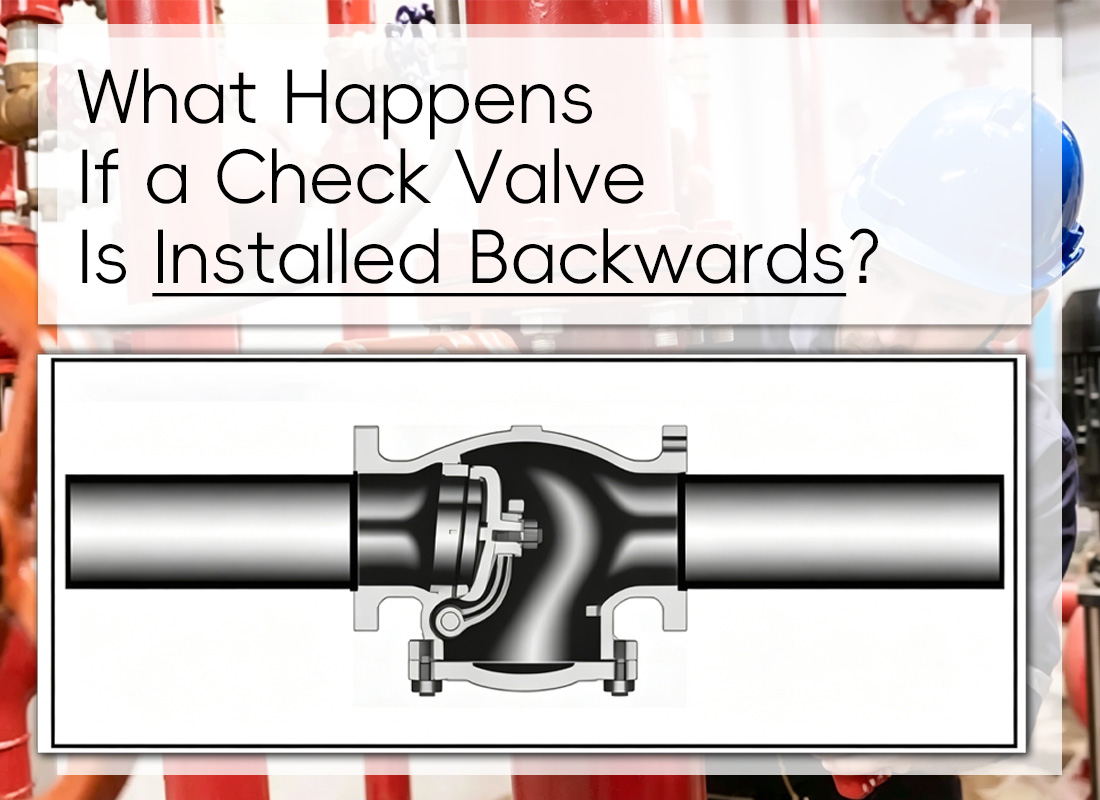
A check valve (also called a one way valve) is designed to allow flow in only one direction. It is widely used in systems such as sump pump check valve, water supply pipelines, and air compressor check valve setups.
When installed correctly, fluid pressure pushes the internal disc or spring open, allowing smooth flow. When flow reverses, the valve closes automatically, preventing backflow.
If installed backward, this basic function fails—and the system may stop working entirely.
In real applications, a reversed inline check valve or spring check valve often leads to immediate operational issues.
Typical signs include:
◆ Little or no flow through the pipeline
◆ Pumps running but not delivering output
◆ Unusual vibration or noise in the system
In systems like well pump check valve setups, the pump may struggle to build pressure at all.
In systems involving sump pump check valve installation, incorrect orientation forces pumps to operate under abnormal conditions.
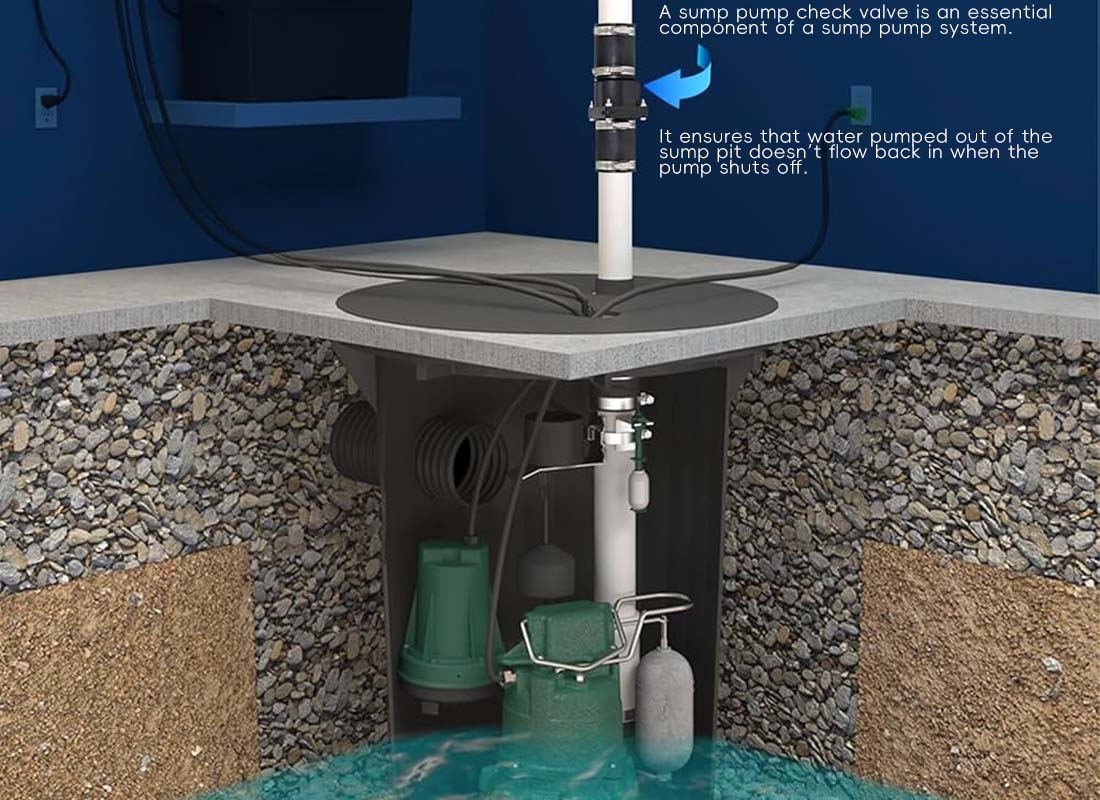
This can lead to:
• Motor overheating
• Seal degradation
• Higher energy consumption
Industry maintenance data shows that improper installation can reduce equipment lifespan by 20%–40%.
A reversed valve cannot prevent reverse flow. This is critical in applications such as:
• irrigation check valve systems
• pool check valve circulation
• Industrial fluid handling
Contaminated fluid may flow back into clean lines, creating safety and compliance concerns.
In high-pressure systems like hydraulic check valve or double check valve assemblies, reversed installation disrupts pressure control.
Possible outcomes include:
• Pressure spikes
• Leakage
• Structural valve damage
These issues often develop gradually, making them harder to detect early.
| Valve Type | Flow Direction Indicator | Typical Application | Risk if Installed Backwards |
|---|---|---|---|
| Swing Check Valve | Arrow on body | Water pipelines, sewage | Complete blockage |
| Spring Check Valve | Marked flow direction | Pumps, compressors | Pressure buildup |
| Ball Check Valve | Internal ball movement | Slurry, wastewater | Flow instability |
| Inline Check Valve | Arrow + compact design | HVAC, fuel systems | System inefficiency |
| Sump Pump Check Valve | Vertical arrow | Basement drainage | Pump failure |
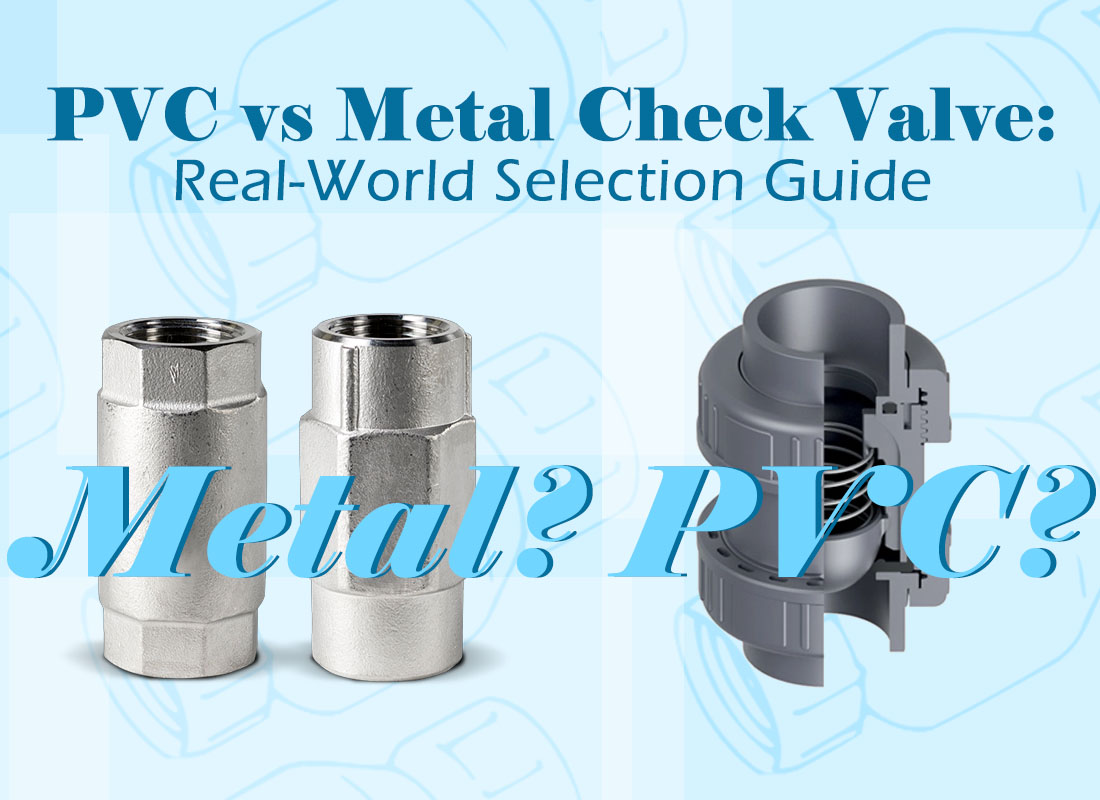
Most pvc check valve and metal valves have an arrow indicating correct flow direction.
Watch for:
• Immediate issues after installation
• Reduced flow after valve replacement
• Pump running without output
In complex systems like compressor check valve or fuel systems, internal inspection may be required.
In an industrial cooling system, a newly installed stainless steel check valve caused a sudden drop in flow rate. The issue was initially misdiagnosed as pump failure.
After correcting the valve direction:
◆ Flow returned to normal
◆ Energy consumption dropped by 15%
◆ System pressure stabilized
Such installation errors are more common than expected, especially in fast-paced project environments.
◆ Always align the flow arrow with pipeline direction
◆ Use clearly marked inline check valve models
◆ Implement inspection steps for critical systems like sump pump and compressors
◆ Schedule periodic maintenance checks
Correct installation ensures not only proper function but also long-term system reliability and efficiency.
(FK9025)
You May Interest In
Apr 15, 2026 Blog
Why Check Valves Fail at Low Flow Rates
Apr 14, 2026 Blog
Check Valve Vibration Issues in Pipelines Explained
Apr 09, 2026 Blog
Why Check Valves Make Noise and How to Fix It?
Apr 08, 2026 Blog
Check Valve Backflow Problem: Causes and Solutions
Apr 07, 2026 Blog
Why Your Check Valve Is Not Closing (Causes & Fixes)



Get a free sample

FOKCA ©1998-2025 All Rights Reserved Sitemap