- sales@fokca.com info@fokca.com
- WhatsApp: +86 150 5749 1870

Custom Cylinders & System Solutions Manufacturer | Est. 1998
Custom Cylinders & System Solutions Manufacturer | Est. 1998

Apr 20, 2026
A check valve—also called a one way valve—is designed to allow fluid to flow in one direction while preventing backflow. In industrial systems, this simple function protects pumps, compressors, and pipelines from damage and inefficiency. For example, in a sump pump check valve setup, preventing reverse flow avoids repeated cycling that can shorten pump life. According to industry reports from fluid control associations, improper backflow protection can reduce system efficiency by up to 15% in certain applications.
From water treatment to HVAC and compressed air systems, understanding what does a check valve do is fundamental for engineers and procurement teams selecting reliable components.
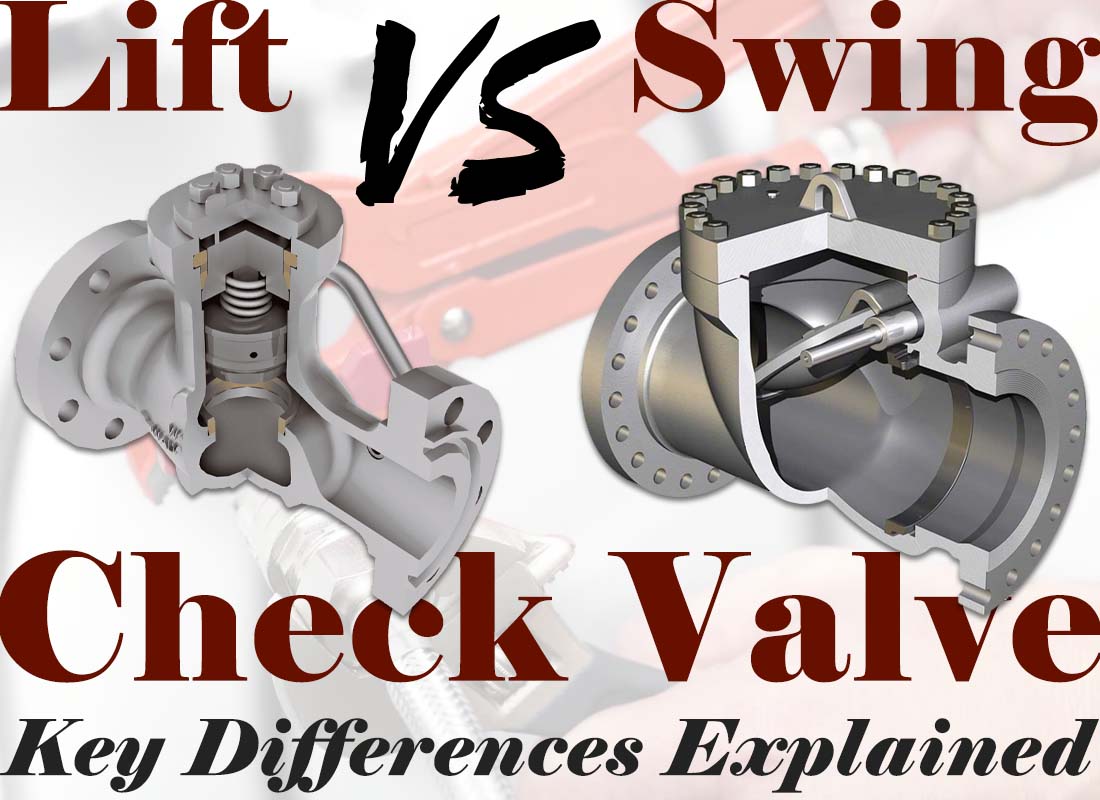
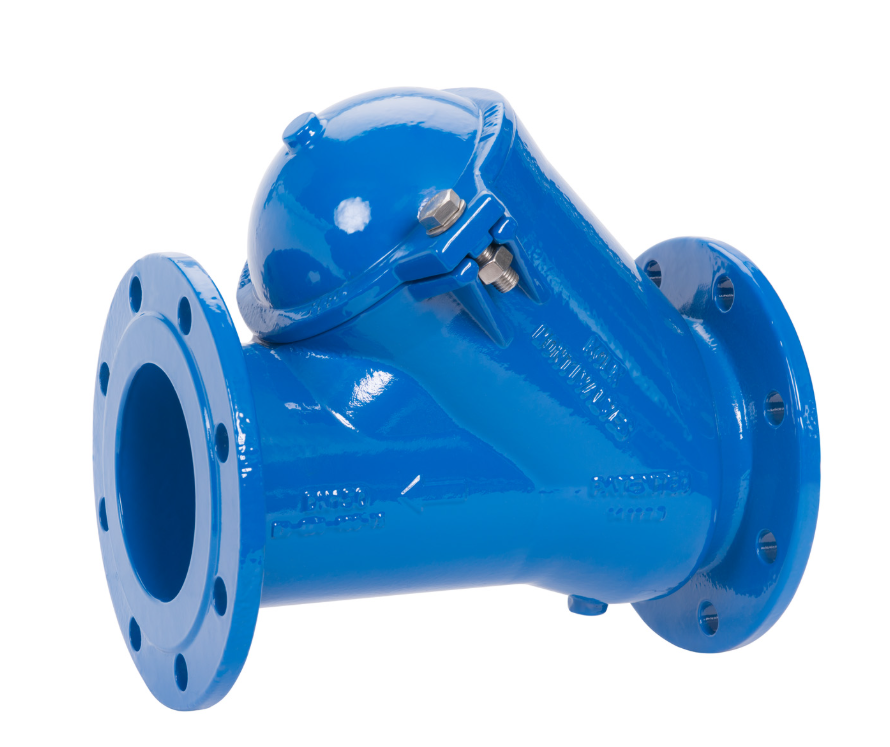
The distinction between a swing check valve and a lift check valve lies primarily in their internal mechanism and flow response.
A swing design uses a hinged disc that swings open when fluid flows forward and closes when flow reverses. In contrast, a lift type operates more like a piston: fluid pressure lifts the disc vertically off its seat.
| Feature | Swing Check Valve | Lift Check Valve |
|---|---|---|
| Disc Movement | Hinged, swinging motion | Vertical lifting motion |
| Flow Resistance | Low | Moderate to high |
| Installation Position | Horizontal or vertical (upward flow) | Typically horizontal only |
| Sealing Performance | Moderate | High precision sealing |
| Maintenance | Easier access | More complex |
| Common Use | Water, wastewater, irrigation | Steam, gas, high-pressure systems |
This structural difference directly impacts performance in systems such as air compressor check valve setups or water check valve installations.
In practical environments, the choice between these two types often comes down to flow conditions. A swing check valve performs best in systems with low-pressure drop requirements and relatively steady flow, such as pool check valve or irrigation pipelines.
On the other hand, lift valves excel in high-pressure, high-velocity systems where tight sealing is critical. For example, in a compressor check valve or steam line, even minor leakage can lead to energy loss or safety risks.
Engineers often note that lift designs provide better sealing under fluctuating pressure conditions, making them suitable for precision systems.
Installation constraints can heavily influence valve selection. Swing valves are more flexible, often used in inline check valve configurations where piping layouts vary. They are also common in larger diameter systems like 2 inch pvc check valve installations.
Lift valves require stricter alignment and are typically installed in horizontal pipelines. Improper installation can lead to inefficient operation or even failure. For example, installing a lift valve in a vertical line without proper flow direction can prevent the disc from sealing correctly.
Additionally, system compatibility matters. In well pump check valve systems, swing valves are often preferred due to debris tolerance, while lift valves are chosen for cleaner fluids.
Maintenance is another key differentiator. Swing check valves generally have fewer moving parts and are easier to inspect, making them cost-effective for long-term operation in environments like sprinkler check valve systems.
Lift check valves, while offering better sealing, may require more frequent maintenance due to wear on guiding components. However, in high-value systems, their precision and reliability often justify the added maintenance cost.
From a lifecycle perspective, procurement teams should consider not just initial price but total cost of ownership, including downtime, replacement intervals, and energy efficiency.
Selecting between these two types depends on several factors: fluid type, pressure, installation orientation, and maintenance expectations. For example:
◆ Water systems or wastewater: swing designs are often sufficient
◆ High-pressure gas or steam: lift valves provide better sealing
◆ Systems requiring minimal pressure loss: swing valves are preferred
◆ Precision control environments: lift valves are more suitable
A clear understanding of check valve types and system requirements helps avoid overspecification or premature failure.
For distributors and equipment engineers, real-world selection often involves balancing performance with practicality. In a municipal water project, switching from lift to swing valves reduced maintenance frequency by 20%, according to a regional infrastructure case study. Meanwhile, a manufacturing plant improved compressor efficiency by upgrading to lift valves in critical lines.
Short-term cost savings should not outweigh long-term reliability. Matching the valve type to actual operating conditions remains the most effective strategy.
(FK9025)
You May Interest In
Apr 15, 2026 Blog
Why Check Valves Fail at Low Flow Rates
Apr 14, 2026 Blog
Check Valve Vibration Issues in Pipelines Explained
Apr 09, 2026 Blog
Why Check Valves Make Noise and How to Fix It?
Apr 08, 2026 Blog
Check Valve Backflow Problem: Causes and Solutions
Apr 07, 2026 Blog
Why Your Check Valve Is Not Closing (Causes & Fixes)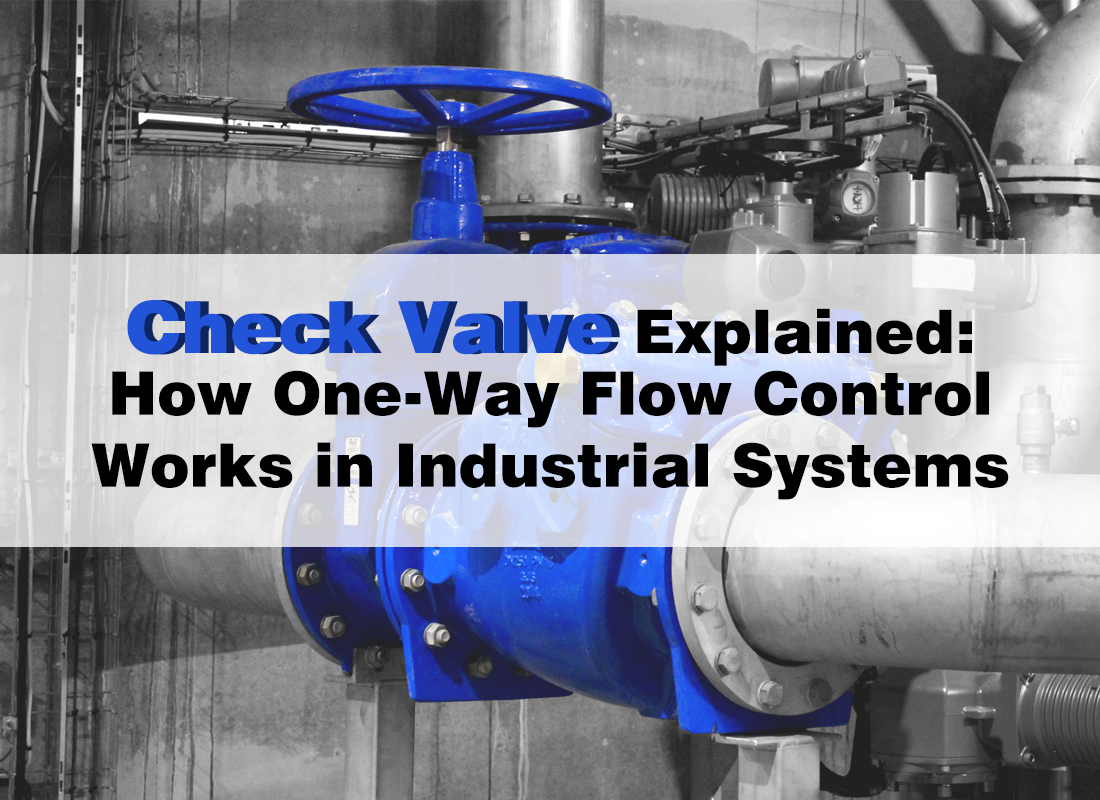



Get a free sample

FOKCA ©1998-2025 All Rights Reserved Sitemap