- sales@fokca.com info@fokca.com
- WhatsApp: +86 150 5749 1870

Custom Cylinders & System Solutions Manufacturer | Est. 1998
Custom Cylinders & System Solutions Manufacturer | Est. 1998

Apr 22, 2026
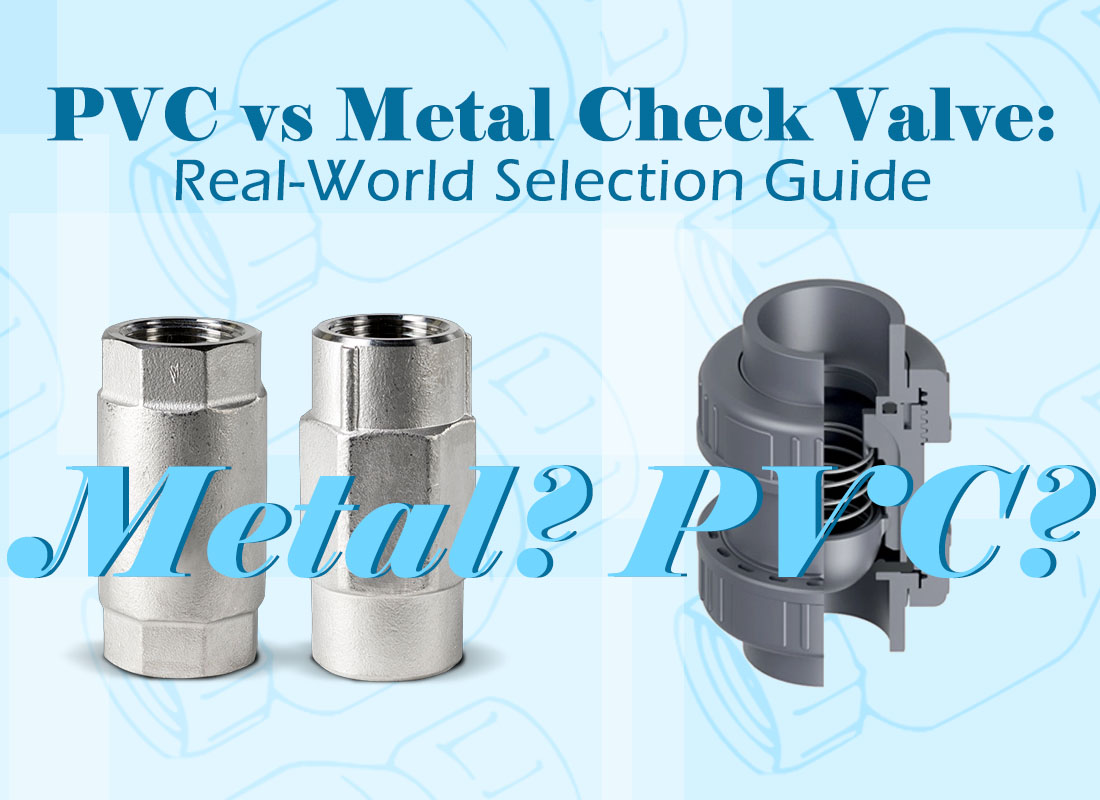
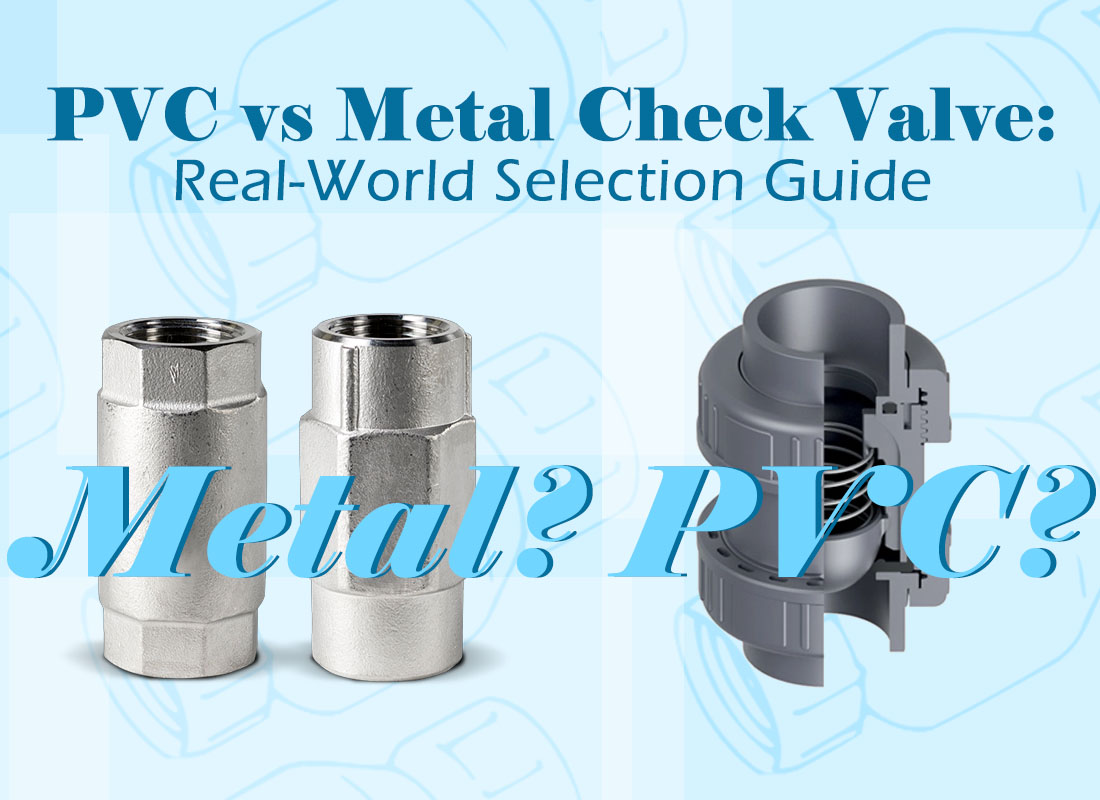
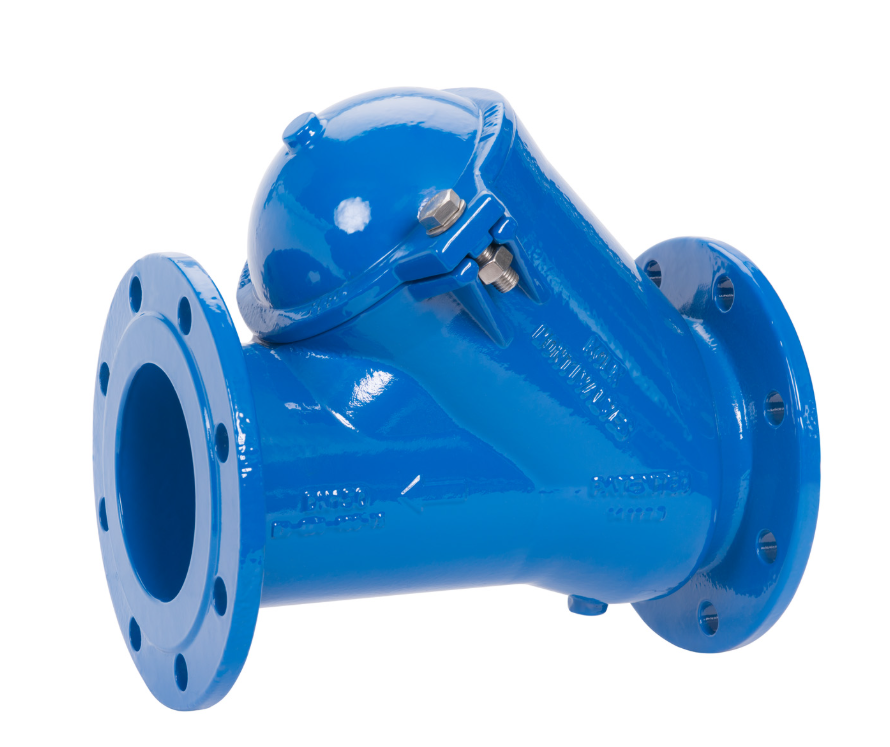
A check valve (also called a one way valve) is designed to allow fluid to flow in a single direction while preventing backflow. In systems such as sump pump check valve installations, irrigation lines, or compressed air pipelines, the material of the valve body directly affects durability, cost, and long-term performance.
For distributors and engineers, choosing between a PVC check valve and a metal alternative is rarely just about price—it often determines maintenance cycles, system safety, and compatibility with working conditions like pressure and temperature.
PVC valves are widely used in water treatment, irrigation, and pool systems due to their corrosion resistance and cost-effectiveness. A typical inline check valve made from PVC performs reliably in environments where chemical exposure or moisture would degrade metal.
One key advantage is weight. A 2 inch PVC check valve can be installed quickly without heavy support structures, reducing labor costs in large-scale piping systems. In applications like a pool check valve or sprinkler check valve, this ease of handling becomes especially valuable.
PVC also offers smooth internal surfaces, reducing friction loss. According to fluid system efficiency studies in polymer piping, PVC systems can maintain up to 15% better flow efficiency compared to rougher metal interiors under similar conditions.
However, PVC has clear limitations. It struggles under high temperatures (typically above 60°C) and may deform under pressure spikes. In systems such as an air compressor check valve or high-pressure industrial lines, this can lead to premature failure.
Metal check valves—commonly made from stainless steel, brass, or cast iron—are built for strength, pressure resistance, and thermal stability. In demanding environments like steam systems or fuel lines, a stainless steel check valve ensures consistent performance where PVC cannot.
For example, in a hydraulic check valve or fuel check valve system, pressure ratings can exceed 300 PSI or more, making metal the only viable option. These valves also handle temperature extremes, making them suitable for boilers, compressors, and industrial processing equipment.
Durability is another advantage. Metal valves often have a longer service life, especially in abrasive or high-cycle systems like a spring check valve used in manufacturing lines.
The downside is cost and susceptibility to corrosion. Without proper coating or material selection, metal valves in water systems may experience rust or scaling. This is why stainless steel or brass is often preferred over basic iron in plumbing applications such as a water heater check valve.
| Feature | PVC Check Valve | Metal Check Valve |
|---|---|---|
| Weight | Lightweight | Heavy |
| Corrosion Resistance | Excellent | Moderate (depends on material) |
| Pressure Capacity | Low to medium | High |
| Temperature Tolerance | Limited (<60°C typical) | High (>200°C possible) |
| Cost | Low | Higher |
| Maintenance | Minimal | Moderate |
| Common Applications | Pool, irrigation, water lines | Industrial, steam, fuel systems |
In systems like sprinkler check valve setups or well pump check valve installations, PVC is often the preferred choice. It handles water exposure well and reduces system costs for large distribution networks.
For applications such as compressor check valve or air compressor check valve replacement, metal valves are essential. Their ability to withstand pressure surges and temperature fluctuations ensures operational safety.
PVC performs well in chemically aggressive environments, such as wastewater treatment plants. A sewage check valve made from PVC resists corrosion better than untreated metal, extending service life.
In some projects, engineers combine both materials. For example, a system may use PVC in distribution lines but switch to metal at critical points like pump outlets or high-pressure zones.
While a PVC valve may cost significantly less upfront, metal valves often deliver better long-term value in high-demand systems. Maintenance frequency, downtime risk, and replacement cycles all influence the real cost.
A distributor working with large-scale buyers—such as agricultural irrigation contractors or industrial OEMs—should consider not just unit price, but total cost of ownership (TCO) when recommending between a pvc check valve and a metal alternative.
Installation differences also matter. PVC valves typically use solvent welding or threaded connections, making them ideal for quick assembly. Metal valves, on the other hand, often require flanged or welded connections, increasing installation complexity but improving structural strength.
Compatibility with existing systems is another factor. Replacing a sump pump check valve in a residential system usually favors PVC, while upgrading an industrial pipeline may require matching metal components for safety compliance.
When selecting between PVC and metal, decisions should align with pressure rating, temperature range, and media type.
◆ Choose PVC for cost-sensitive, corrosion-prone, low-pressure systems
◆ Choose metal for high-pressure, high-temperature, or safety-critical environments
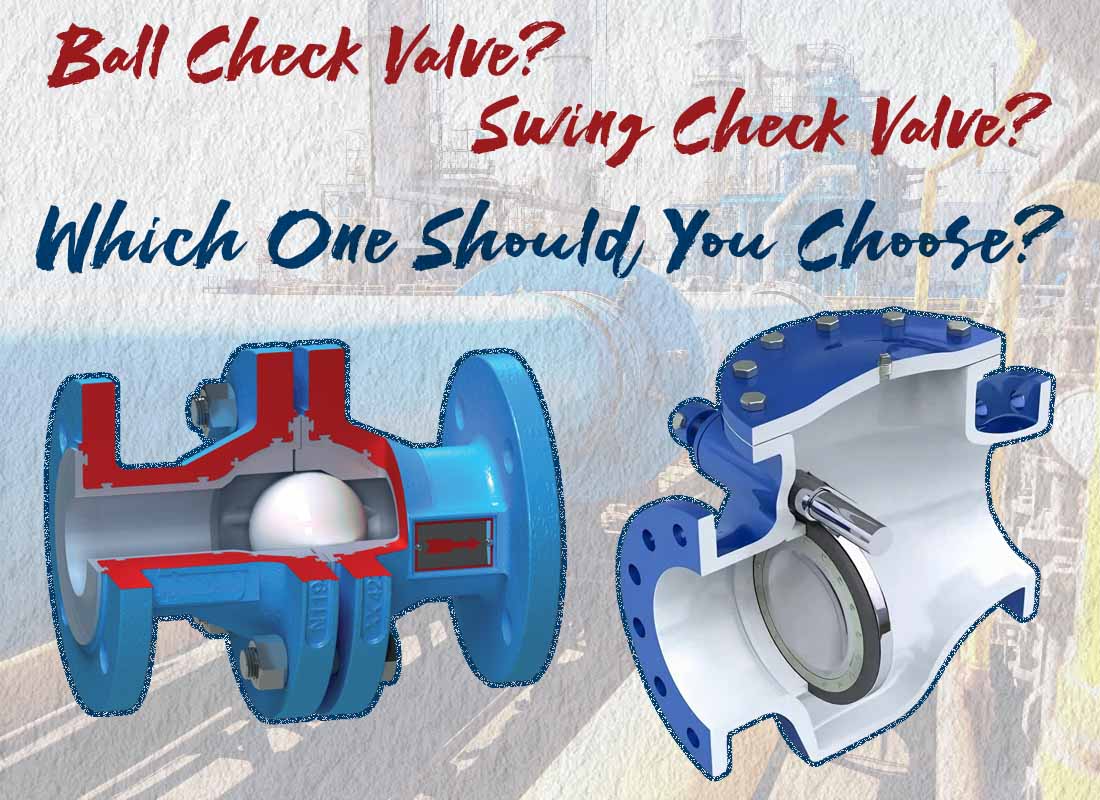
◆ Evaluate flow characteristics when using ball check valve or swing check valve designs
◆ Consider maintenance access in systems like inline check valve installations
A well-matched valve material reduces downtime and improves system efficiency over time.
(FK9025)
You May Interest In
Apr 20, 2026 Blog
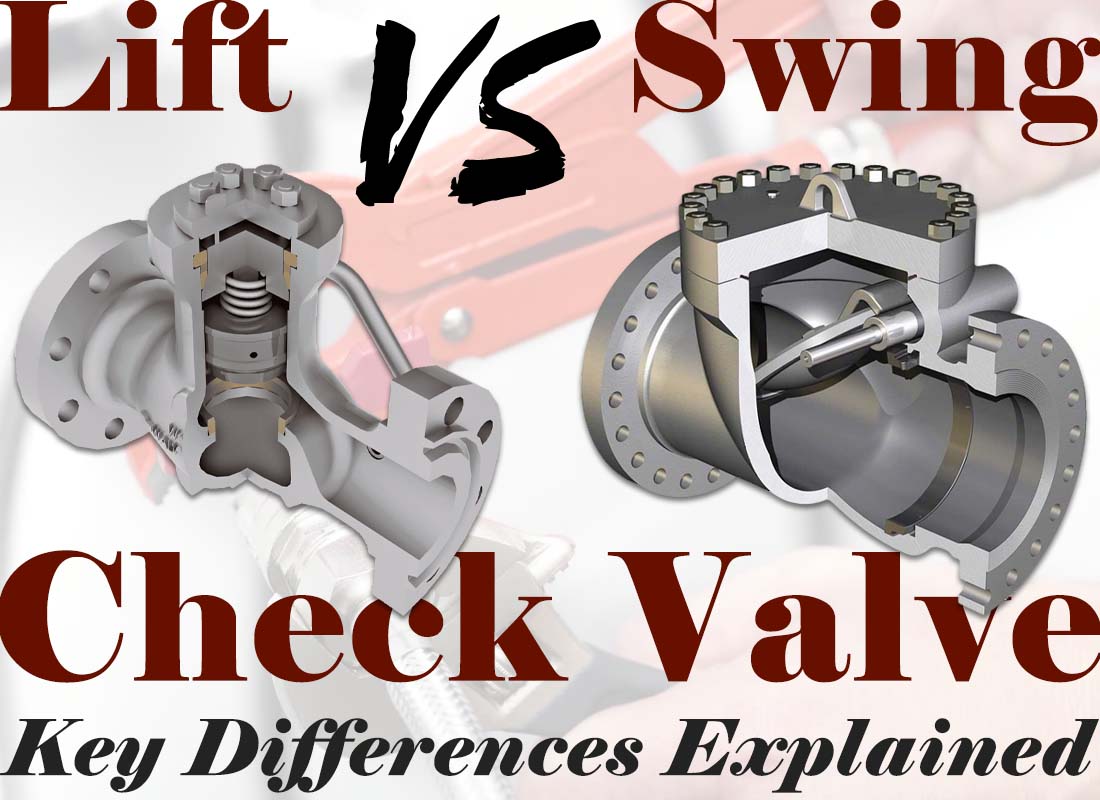
Swing vs Lift Check Valve: Key Differences Explained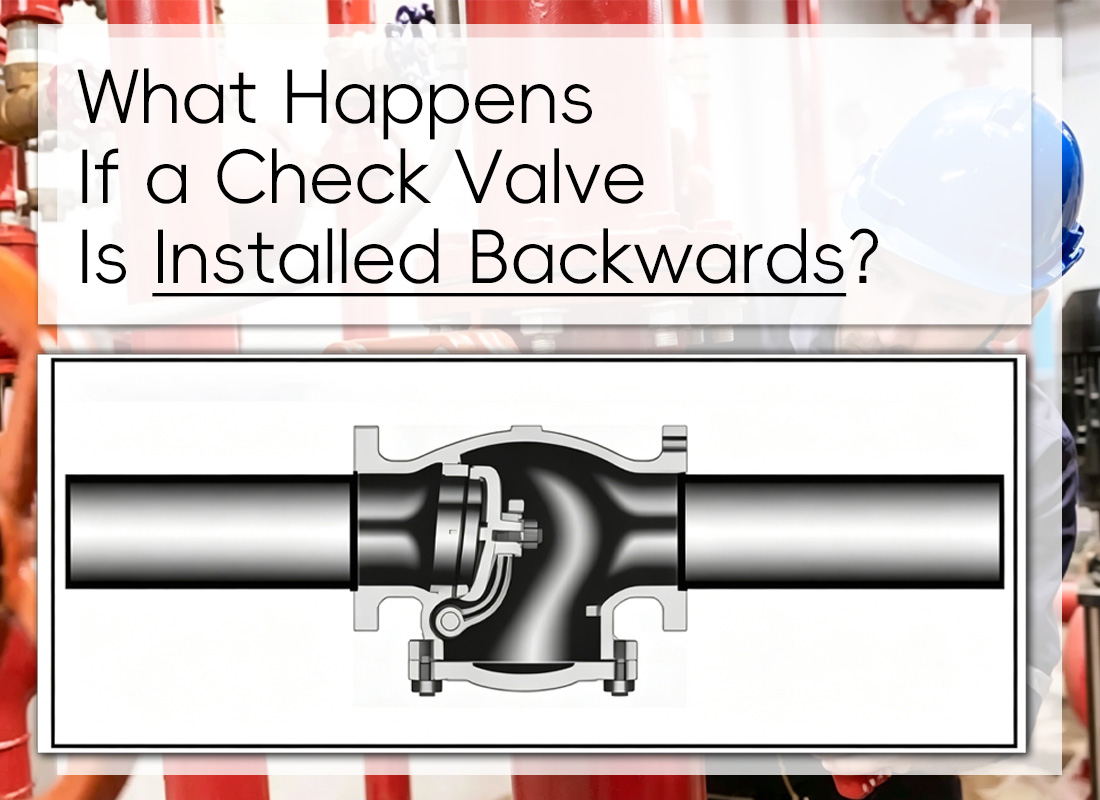
Apr 15, 2026 Blog
Why Check Valves Fail at Low Flow Rates
Apr 14, 2026 Blog
Check Valve Vibration Issues in Pipelines Explained
Apr 09, 2026 Blog
Why Check Valves Make Noise and How to Fix It?
Apr 08, 2026 Blog
Check Valve Backflow Problem: Causes and Solutions
Apr 07, 2026 Blog
Why Your Check Valve Is Not Closing (Causes & Fixes)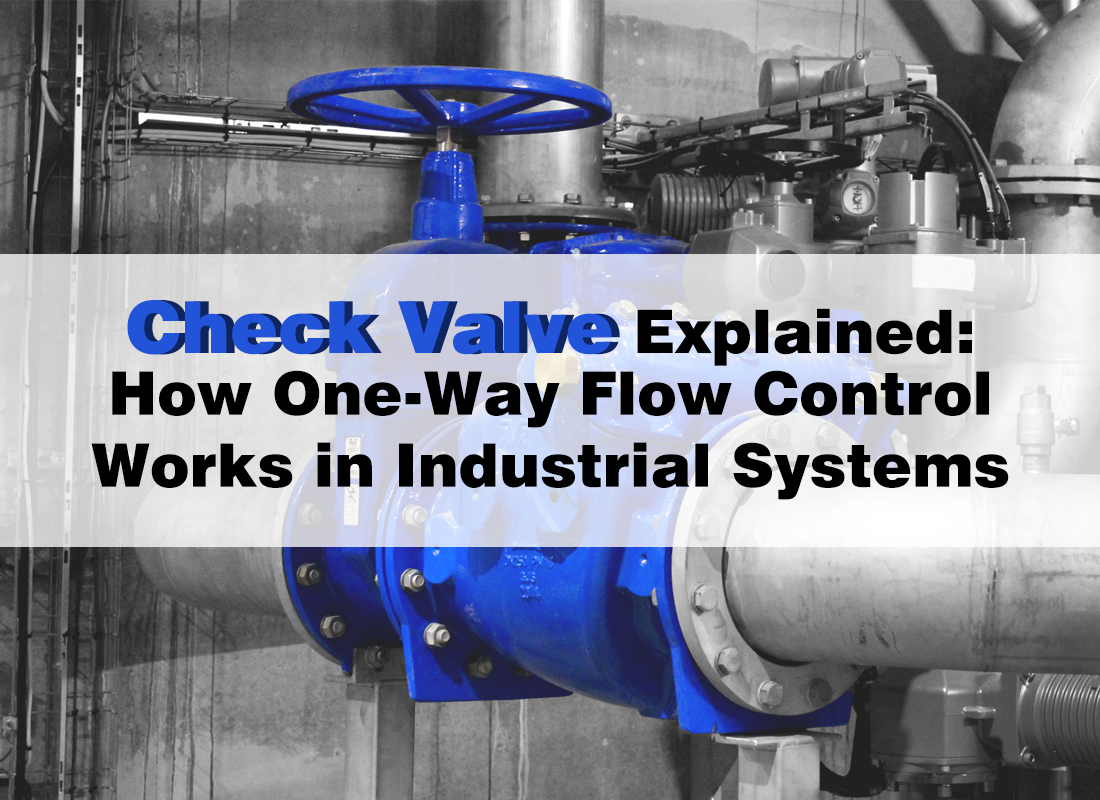


Get a free sample

FOKCA ©1998-2025 All Rights Reserved Sitemap



 None
None