- sales@fokca.com info@fokca.com
- WhatsApp: +86 150 5749 1870

Custom Cylinders & System Solutions Manufacturer | Est. 1998
Custom Cylinders & System Solutions Manufacturer | Est. 1998

Apr 21, 2026
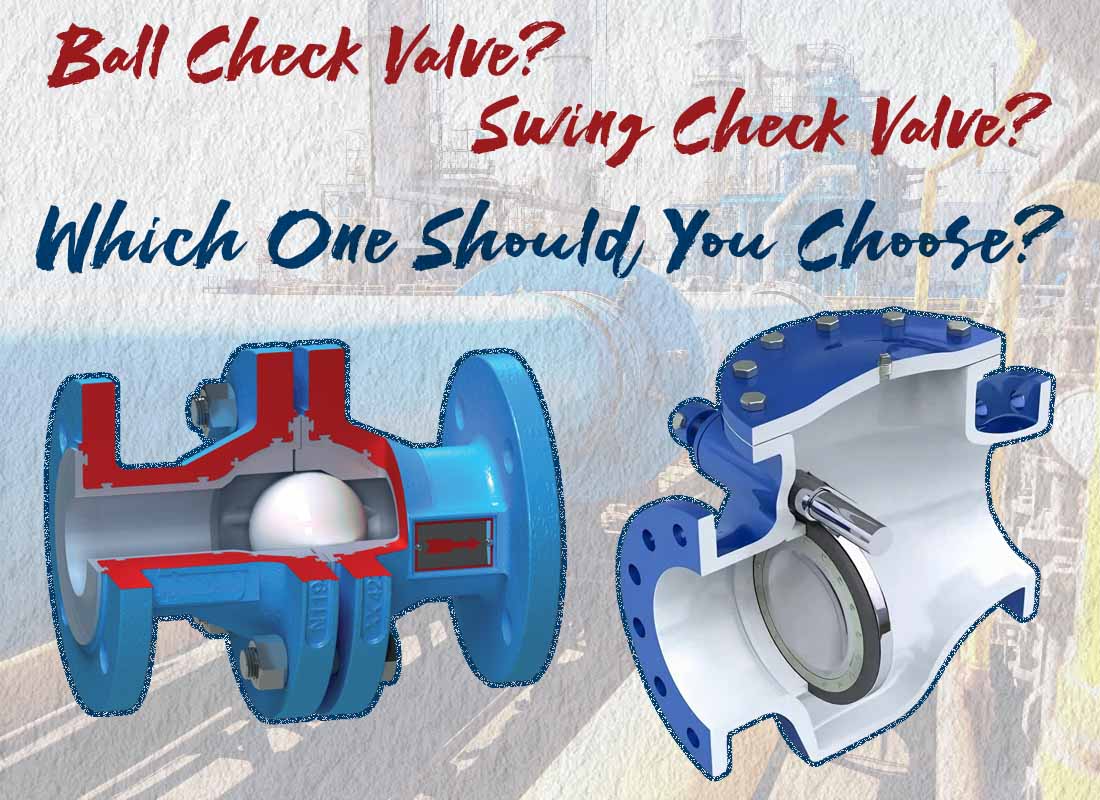
In industrial piping systems, a check valve (also known as a one way valve) plays a critical role in preventing reverse flow. Whether in water treatment, HVAC, or oil systems, the function of a check valve is simple but essential: it allows fluid to flow in one direction while automatically blocking backflow. This protects pumps, compressors, and pipelines from damage, especially in systems like a sump pump check valve installation or air compressor check valve setup.
From an engineering perspective, choosing the wrong valve type can lead to pressure loss, noise, or premature wear. Among the most commonly compared types are the ball check valve and the swing check valve, each designed for different operating conditions and industries.
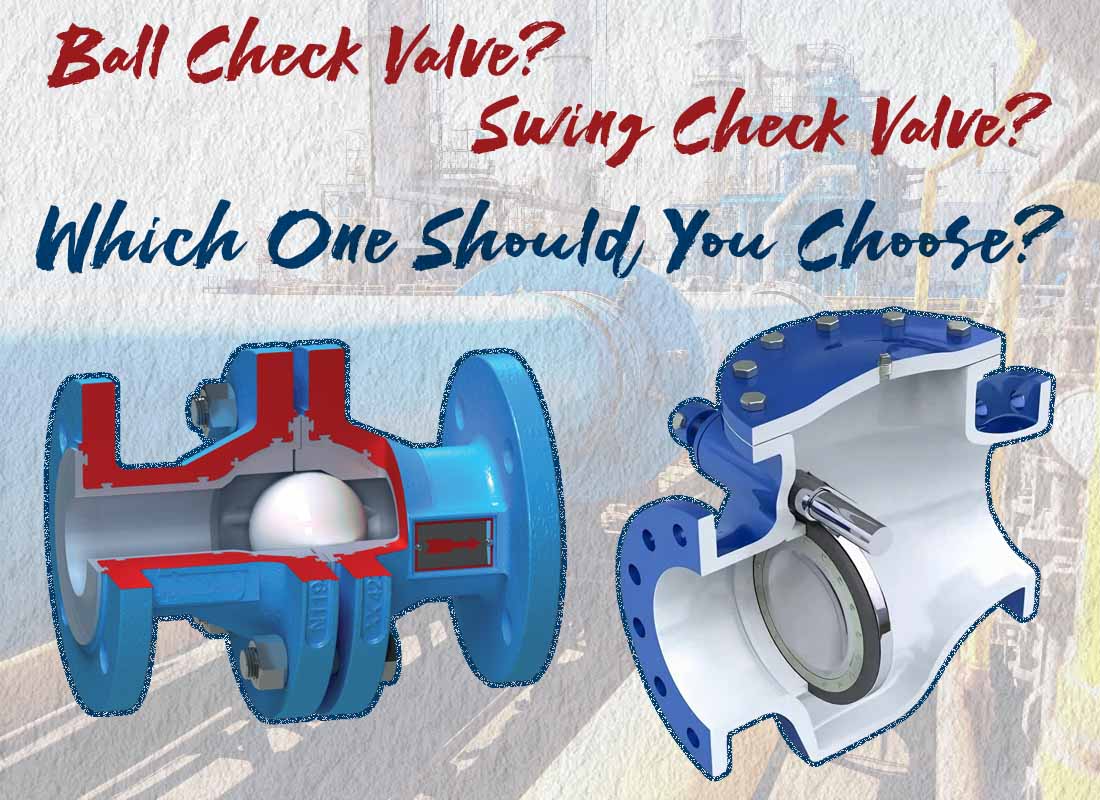
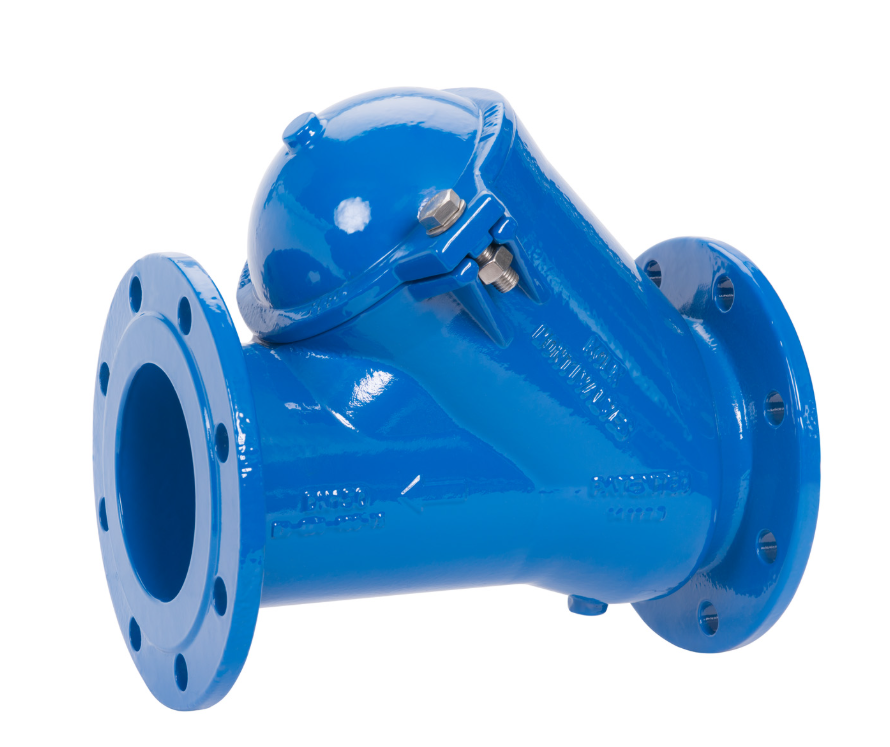
A ball check valve uses a spherical ball that moves inside the valve body. When fluid flows forward, the ball lifts; when flow stops, gravity or back pressure pushes the ball back onto the seat, sealing the valve. This design is widely used in wastewater systems, including sewer check valve and pump check valve applications.
One of the biggest advantages is self-cleaning capability. In systems carrying debris or solids, such as sludge or slurry, the ball rotates slightly during operation, reducing buildup. This makes it a strong choice for well pump check valve systems or harsh environments where clogging is a concern.
However, ball valves often require higher cracking pressure, meaning they need more force to open compared to other types. This can slightly reduce efficiency in low-pressure systems.
A swing check valve operates using a hinged disc that swings open with forward flow and closes when flow reverses. It is one of the most traditional forms of inline check valve and is commonly found in water check valve and irrigation check valve systems.
Because the disc moves freely, swing valves typically offer lower flow resistance and minimal pressure drop. This makes them ideal for applications where maintaining flow efficiency is critical, such as large-diameter pipelines or pool check valve systems.
The downside is sensitivity to flow conditions. In systems with fluctuating pressure, the disc may “slam” shut, causing water hammer. For this reason, they are less suitable for vertical installations or high-frequency cycling systems like compressor check valve environments.
Below is a comparison table to clarify their performance differences:
| Feature | Ball Check Valve | Swing Check Valve |
|---|---|---|
| Flow Resistance | Moderate | Low |
| Sealing Method | Ball seats tightly | Disc swings closed |
| Best for Solids | Excellent | Limited |
| Maintenance | Low | Moderate |
| Installation | Flexible (vertical/horizontal) | Mostly horizontal |
| Noise Risk | Low | Higher (water hammer risk) |
| Typical Use | Wastewater, slurry | Clean water, large pipelines |
Selecting between a ball check valve and a swing check valve depends largely on your system conditions. For example, in a sump pump check valve installation, where debris is common, the ball design offers better durability. In contrast, for clean water distribution or sprinkler check valve systems, the swing type provides better flow efficiency.
Engineers often evaluate three key factors:
◆ Fluid type: clean vs contaminated
◆ Flow stability: steady vs pulsating
◆ Installation orientation: vertical vs horizontal
In high-pressure or pulsating systems, alternatives like a spring check valve or silent check valve may also be considered to reduce noise and improve response time.
For distributors and OEM buyers, stocking the right mix of check valve types is essential. Market demand shows increasing preference for PVC check valve and stainless steel check valve options due to corrosion resistance and long service life.
A practical case comes from a municipal wastewater project where switching from swing valves to ball valves reduced maintenance frequency by over 30%, according to industry field reports. This demonstrates how correct valve selection directly impacts lifecycle costs.
When sourcing, pay attention to:
◆ Material compatibility (PVC, brass, stainless steel)
◆ Pressure rating and size (e.g., 1/2 inch check valve, 2 inch check valve)
◆ Certifications and standards compliance
In long-term operation, reliability often outweighs initial cost. A properly selected one way check valve ensures system stability, reduces downtime, and protects critical equipment. For systems handling solids or irregular flow, ball valves tend to outperform. For clean, high-flow environments, swing valves remain a cost-effective solution.
(FK9025)
You May Interest In
Apr 20, 2026 Blog
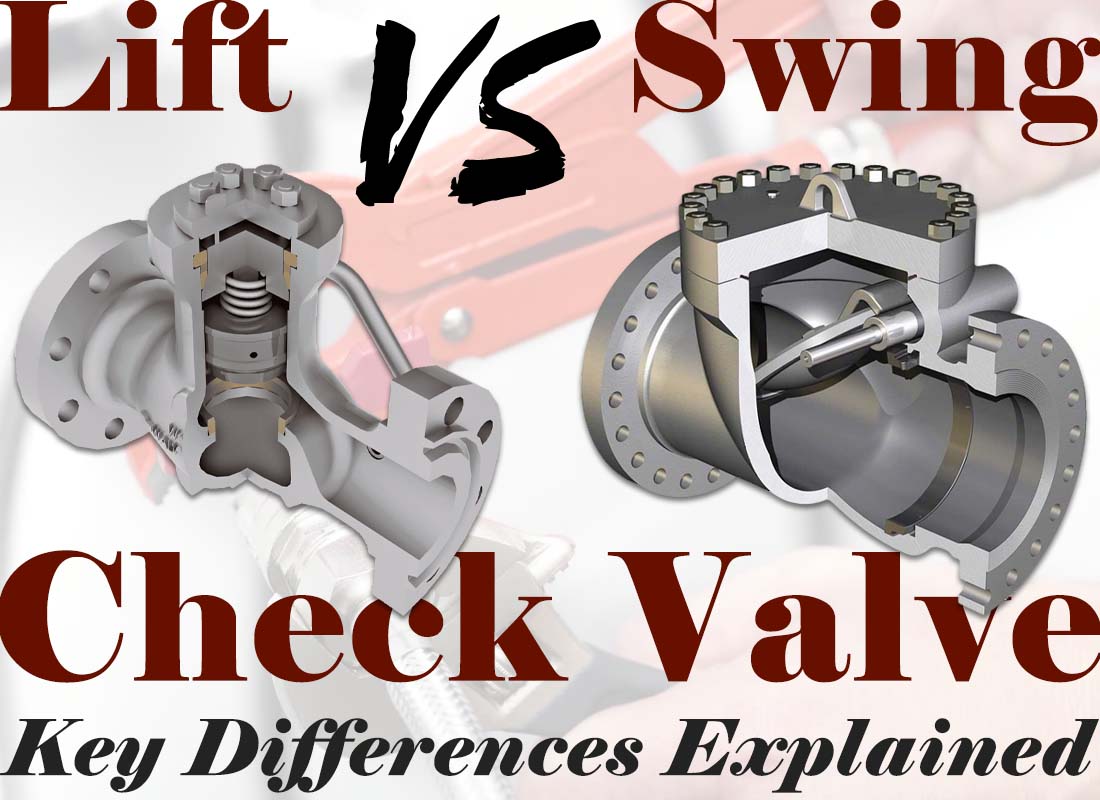
Swing vs Lift Check Valve: Key Differences Explained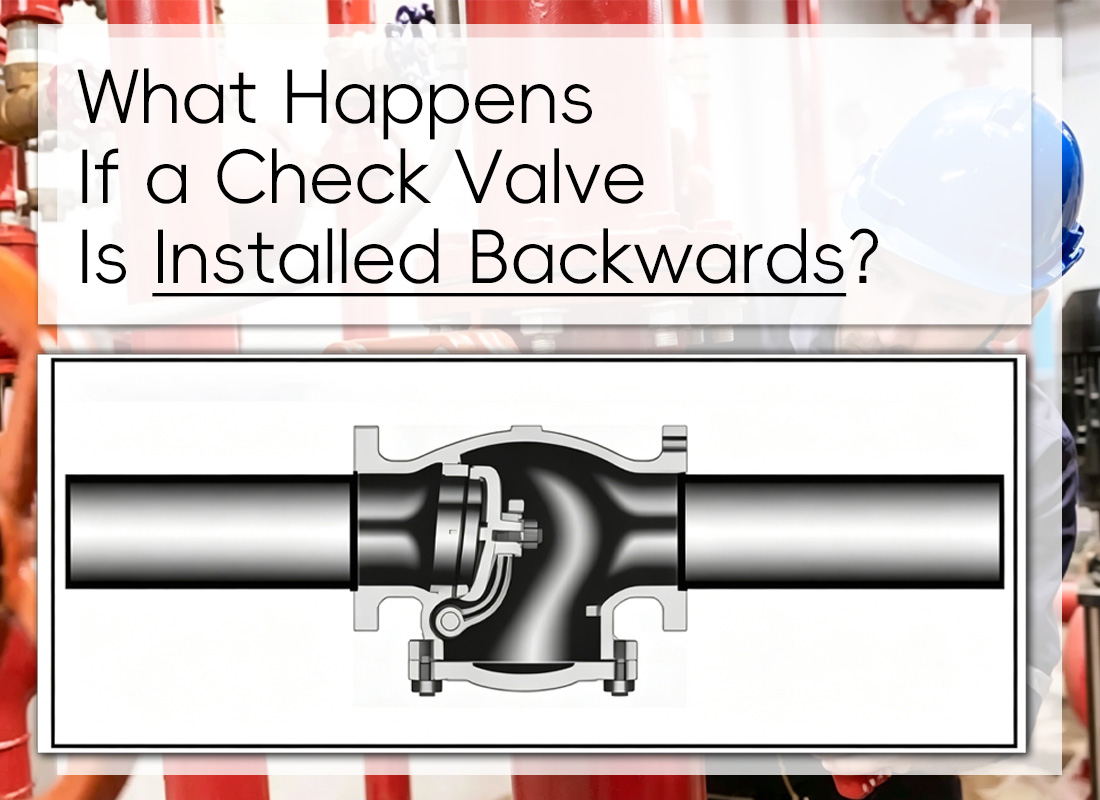
Apr 15, 2026 Blog
Why Check Valves Fail at Low Flow Rates
Apr 14, 2026 Blog
Check Valve Vibration Issues in Pipelines Explained
Apr 09, 2026 Blog
Why Check Valves Make Noise and How to Fix It?
Apr 08, 2026 Blog
Check Valve Backflow Problem: Causes and Solutions
Apr 07, 2026 Blog
Why Your Check Valve Is Not Closing (Causes & Fixes)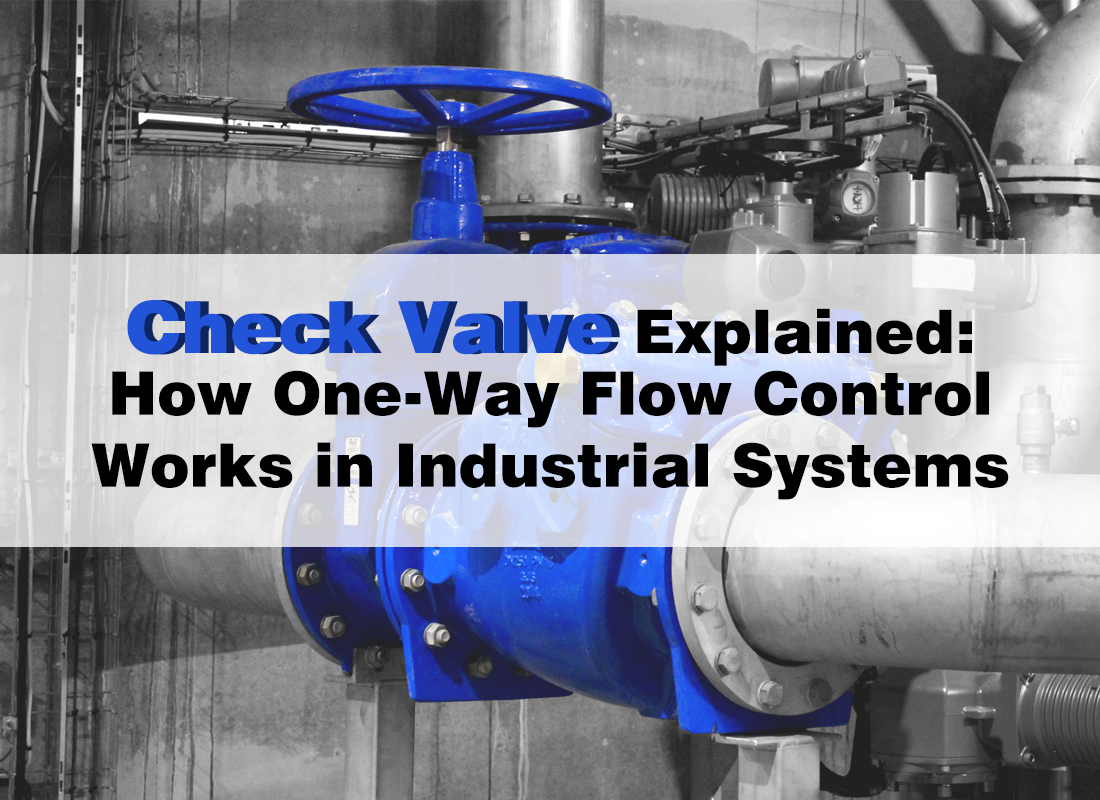


Get a free sample

FOKCA ©1998-2025 All Rights Reserved Sitemap