- sales@fokca.com info@fokca.com
- WhatsApp: +86 150 5749 1870

Custom Cylinders & System Solutions Manufacturer | Est. 1998
Custom Cylinders & System Solutions Manufacturer | Est. 1998

Apr 15, 2026
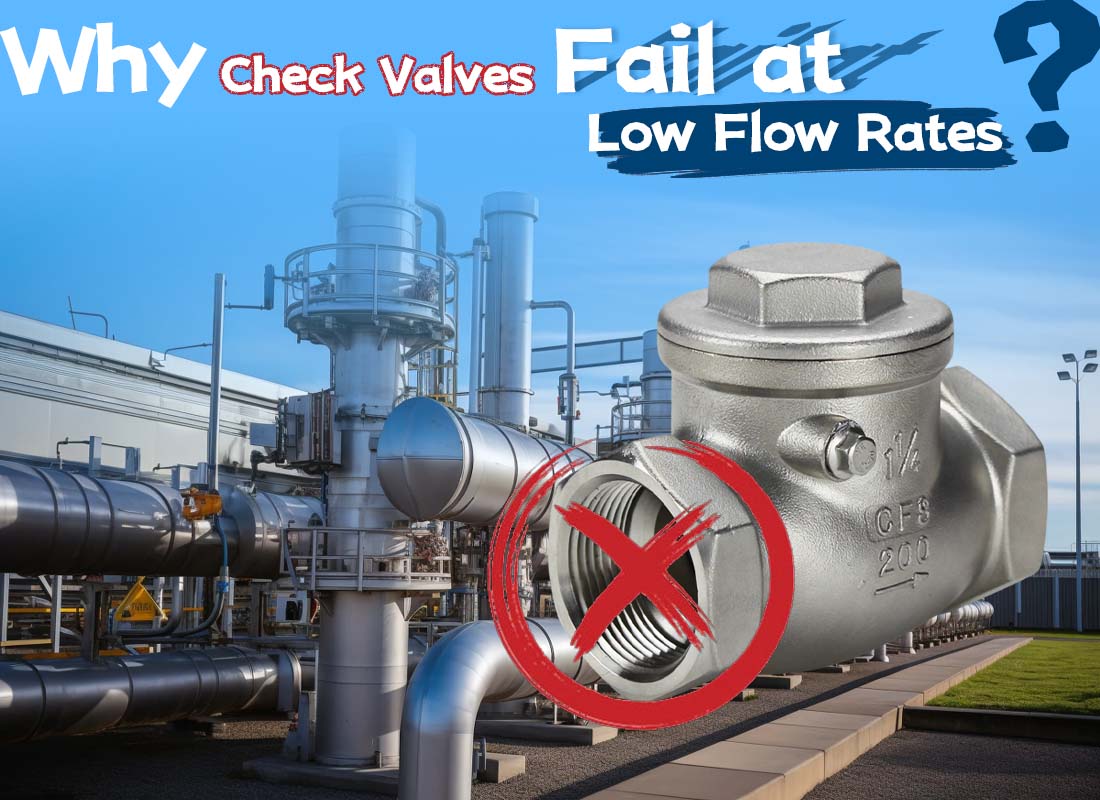
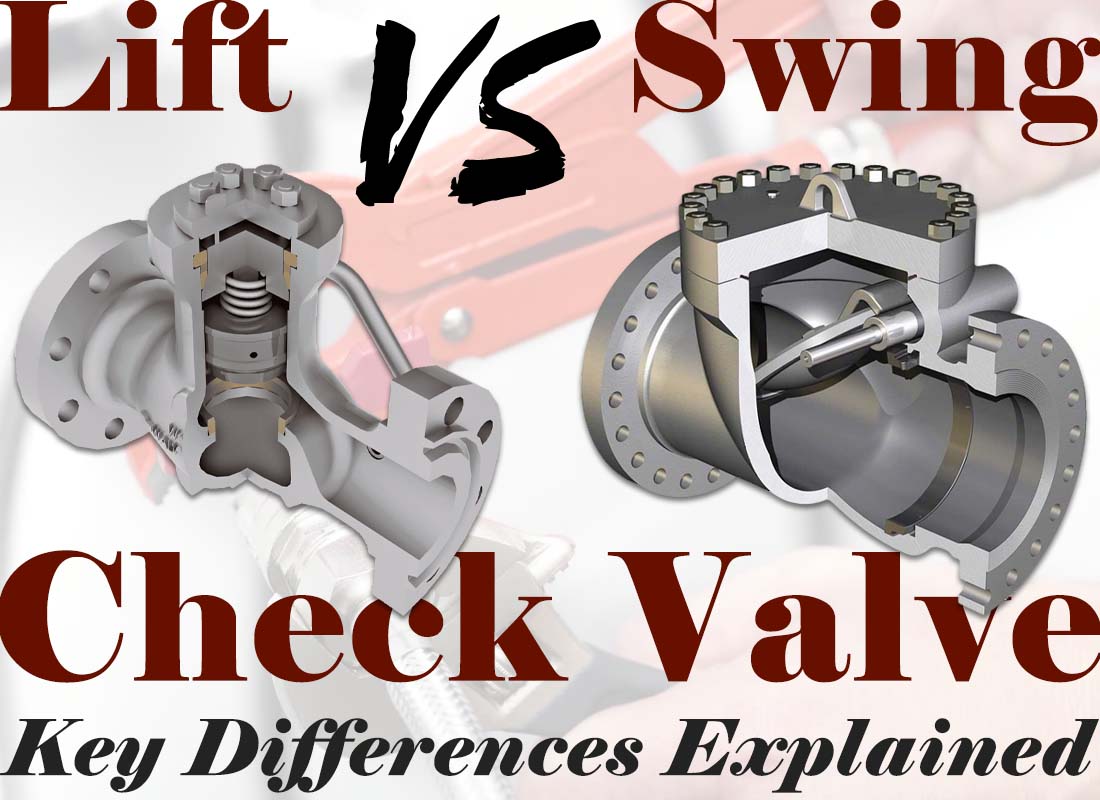
In many fluid systems, a check valve is expected to operate seamlessly regardless of flow conditions. However, under low flow rates, the valve often behaves unpredictably. This is particularly common in systems using a spring check valve or swing check valve, where the internal mechanism relies on sufficient fluid velocity to fully open.
At low flow, the fluid force may not overcome the cracking pressure, causing the valve to remain partially open. This results in chattering, vibration, and premature wear. For example, in a sump pump check valve, insufficient discharge flow can lead to repeated opening and closing cycles, significantly reducing service life.
A one way check valve depends on flow momentum to stabilize the internal disc or ball. When velocity drops below the design threshold, the valve cannot maintain a steady open position. This instability often leads to internal component fatigue.
Many industrial valves, especially air compressor check valves, are designed with higher cracking pressures to prevent backflow under pressure fluctuations. While effective in high-flow systems, these designs perform poorly in low-flow environments where the available force is minimal.

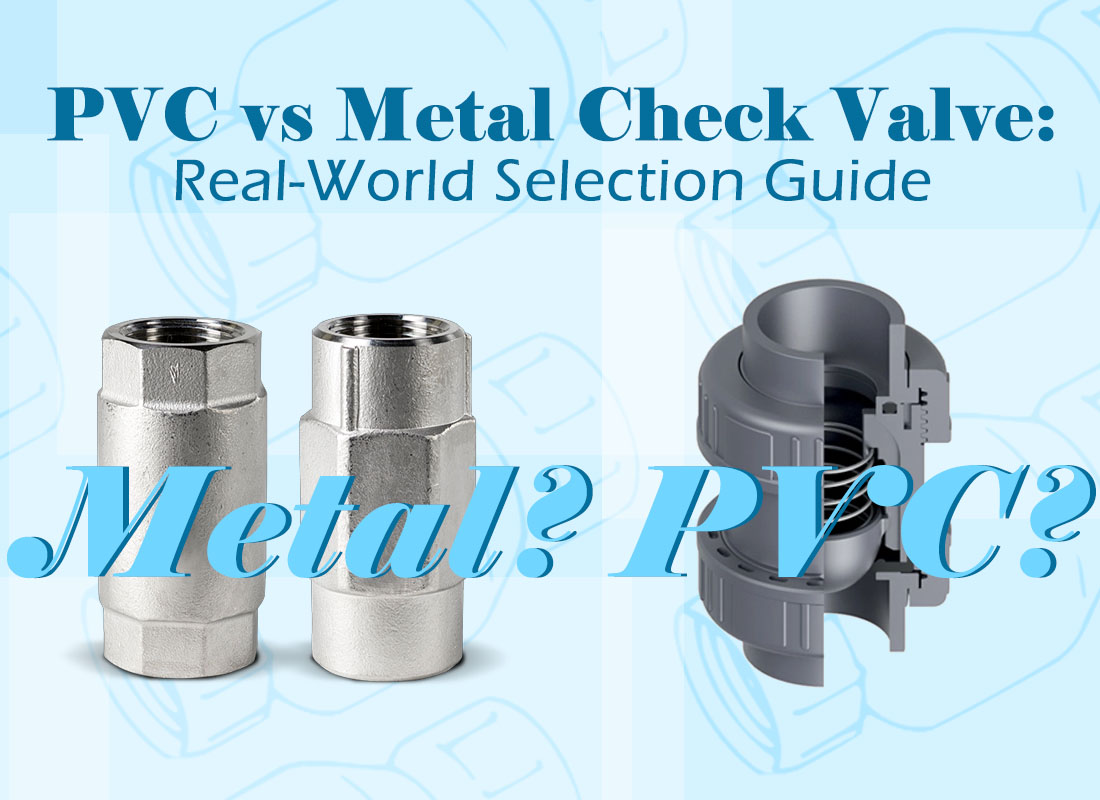
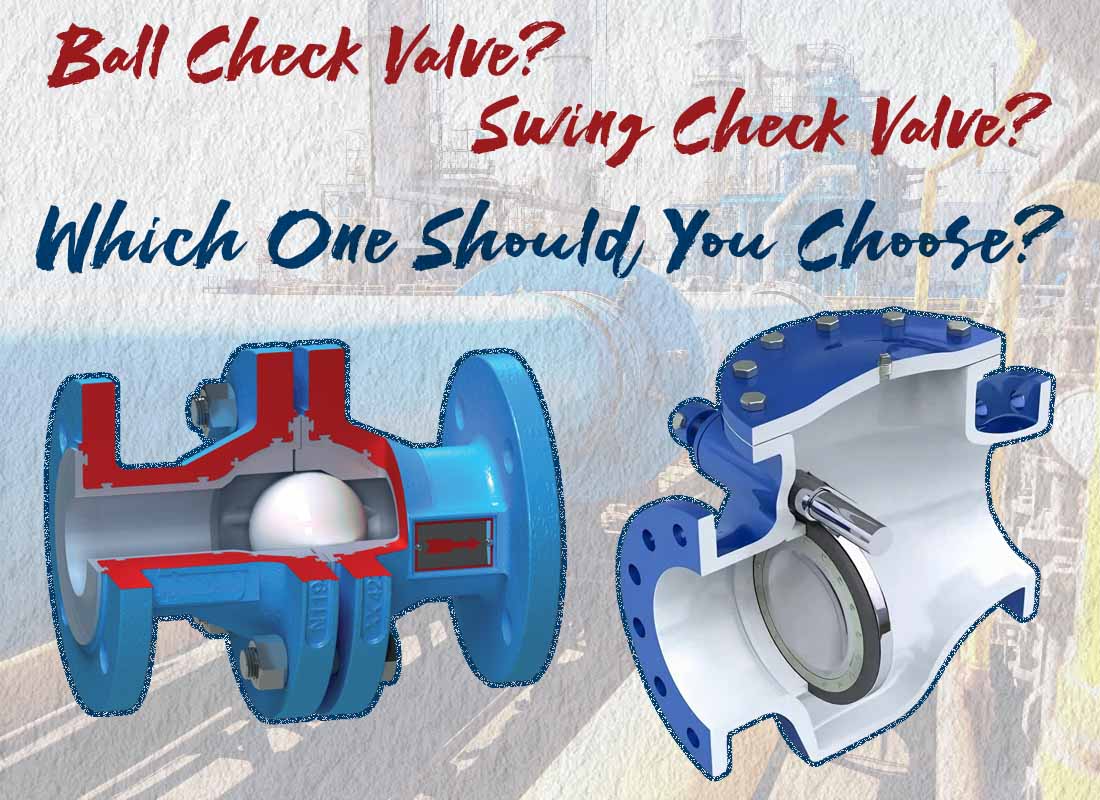
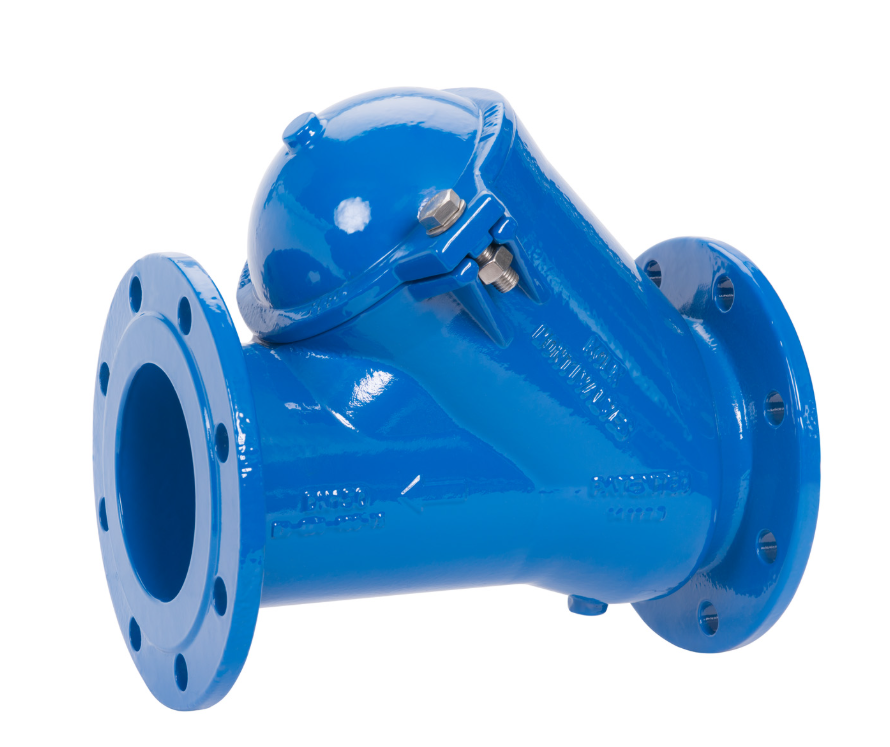
Different valve types respond differently to flow conditions. A ball check valve may require more flow to lift the ball compared to a wafer check valve or inline check valve with lighter internal components. Using the wrong type often results in inefficient operation.
Below is a simplified comparison based on typical industry testing data (source: industrial valve performance reports and manufacturer benchmarks):
| Valve Type | Cracking Pressure | Low Flow Performance | Common Issues at Low Flow |
|---|---|---|---|
| Swing Check Valve | Low | Moderate | Disc flutter, noise |
| Spring Check Valve | Medium-High | Poor | Fails to open fully |
| Ball Check Valve | Medium | Moderate | Delayed response |
| Wafer Check Valve | Low | Good | Minimal |
| Inline Check Valve | Low | Excellent | Rare |
This table shows that low cracking pressure designs generally perform better in low-flow systems.
In water systems such as a well pump check valve installation, low demand periods (e.g., nighttime usage) often expose valve limitations. Engineers frequently observe reverse flow leakage or delayed sealing, especially when oversized valves are installed.
Similarly, in HVAC or compressed air systems, an air check valve operating under partial load may generate audible chatter, which is not only inefficient but can also damage upstream equipment.
A field case from a municipal water project showed that replacing a standard pvc check valve with a low-cracking-pressure inline check valve reduced system vibration by over 40%, improving overall stability.
Selecting the right valve is less about brand and more about matching flow characteristics with valve mechanics. Several practical factors should guide the decision:
◆ Flow Rate Range: Always consider minimum operating flow, not just peak conditions
◆ Cracking Pressure: Choose valves with low opening thresholds
◆ Installation Orientation: Vertical vs. horizontal affects gravity-assisted closure
◆ Media Type: Water, air, or slurry changes valve response behavior
For example, a check valve for sump pump applications should prioritize quiet operation and low cracking pressure, while a compressor check valve must balance responsiveness with pressure resistance.
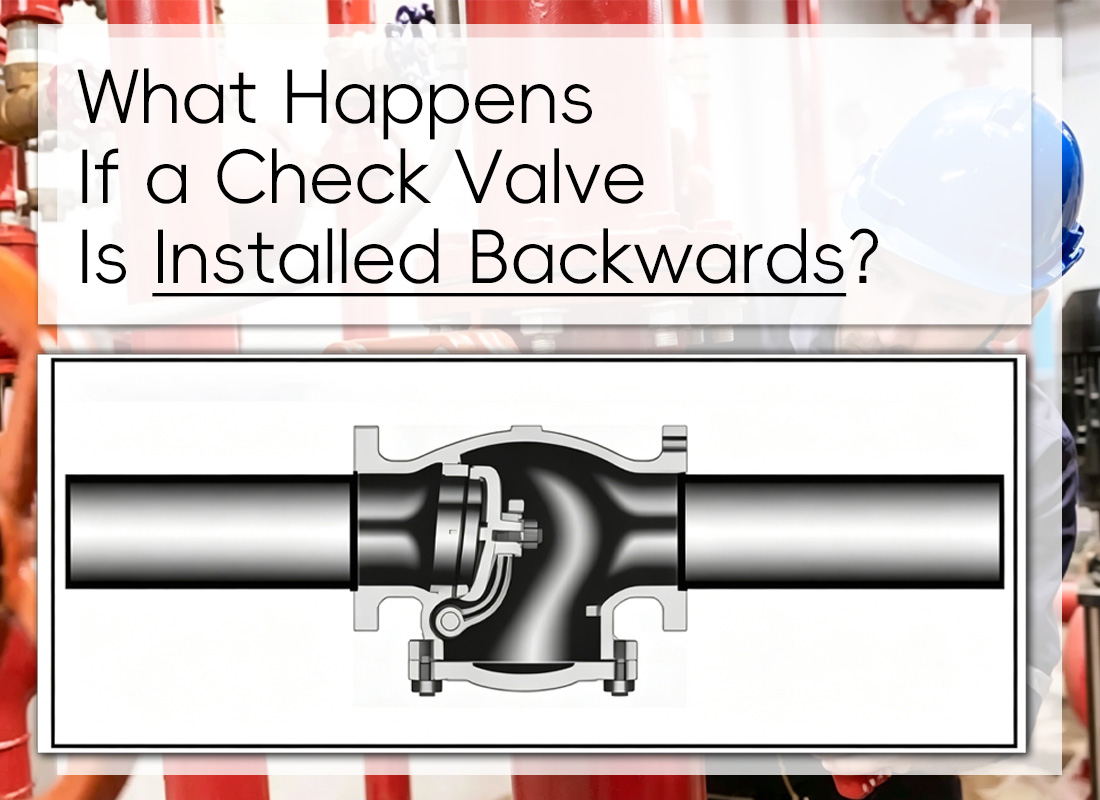
Even the best valve can fail if poorly installed. Low-flow issues are often amplified by system design:
◆ Long horizontal pipelines reduce flow velocity
◆ Oversized valves decrease internal fluid speed
◆ Lack of backpressure control leads to unstable operation
Proper sizing is critical. A 1/2 inch check valve may outperform a larger unit in low-demand systems simply because it maintains higher internal velocity.
Additionally, installing the valve closer to the pump or using a dual check valve configuration can improve reliability in fluctuating flow conditions.
For distributors and equipment engineers, low-flow performance is often overlooked during procurement. However, it directly impacts maintenance costs and system efficiency.
When evaluating suppliers, prioritize those offering:
◆ Verified low-flow performance curves
◆ Customizable cracking pressure options
◆ Proven applications in similar industries
Short-term cost savings from generic valves often lead to higher long-term operational expenses.
(FK9025)
You May Interest In
Apr 14, 2026 Blog
Check Valve Vibration Issues in Pipelines Explained
Apr 09, 2026 Blog
Why Check Valves Make Noise and How to Fix It?
Apr 08, 2026 Blog
Check Valve Backflow Problem: Causes and Solutions
Apr 07, 2026 Blog
Why Your Check Valve Is Not Closing (Causes & Fixes)



Get a free sample

FOKCA ©1998-2025 All Rights Reserved Sitemap