- sales@fokca.com info@fokca.com
- WhatsApp: +86 150 5749 1870

Custom Cylinders & System Solutions Manufacturer | Est. 1998
Custom Cylinders & System Solutions Manufacturer | Est. 1998

Apr 07, 2026
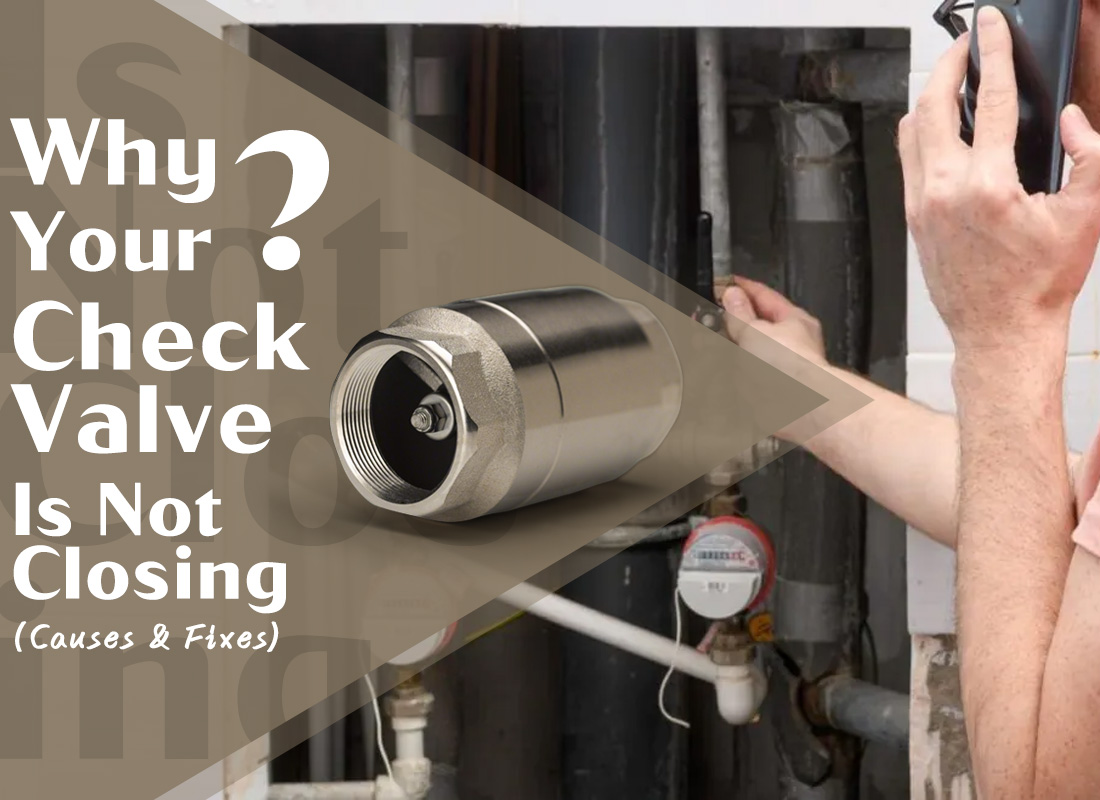
In many fluid systems, a check valve is expected to shut instantly when flow stops. Yet in real industrial environments, engineers often encounter cases where the valve remains partially open, leading to backflow, pressure instability, or even system contamination. Understanding why a check valve not closing occurs is critical for maintaining system reliability.
A check valve relies on flow reversal or pressure difference to close. When this balance is disrupted, closure becomes unreliable. One of the most common causes is insufficient reverse flow force, especially in oversized pipelines where velocity drops below the required threshold.
In systems such as a sump pump check valve or water check valve, low flow conditions can prevent the disc or ball from fully returning to the seat. This is particularly evident in variable-speed pump systems, where flow fluctuates frequently.
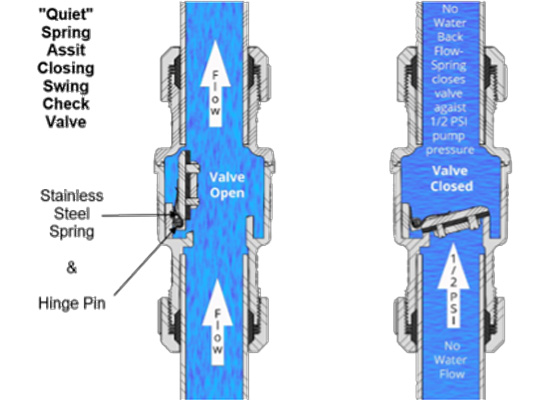
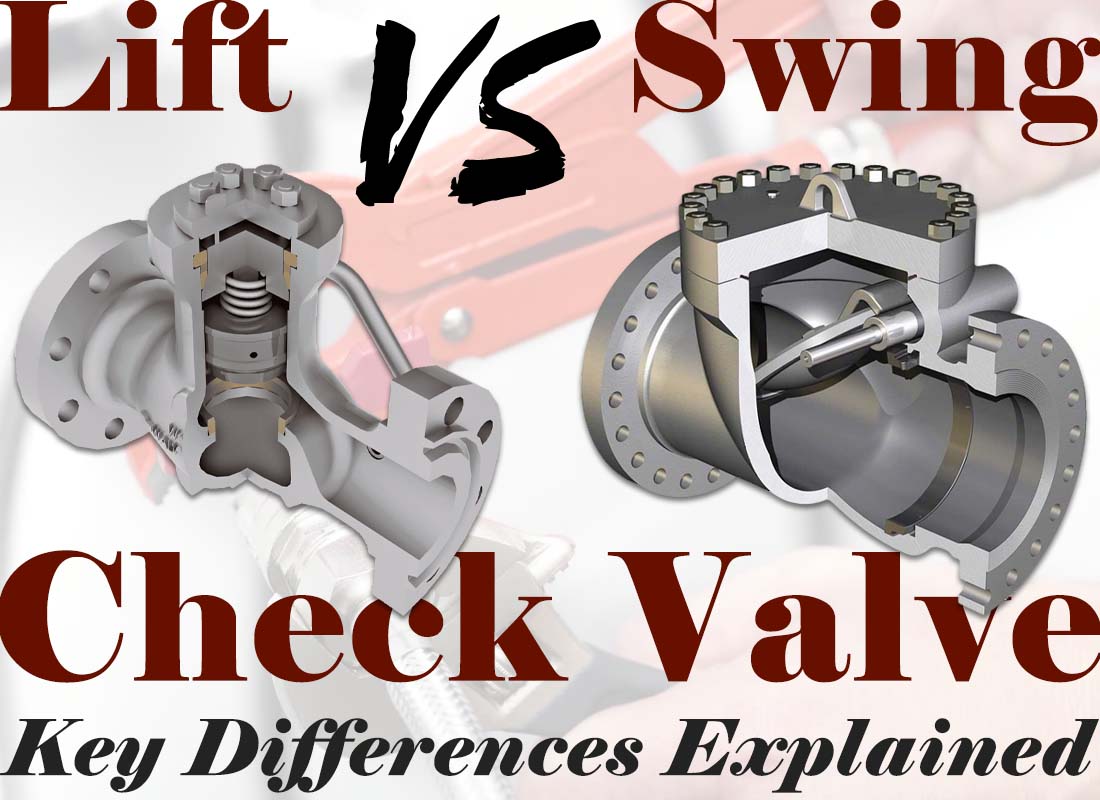
Another overlooked factor is incorrect valve selection. For example, a swing check valve installed in a low-flow application may fail to close due to gravity dependence, whereas a spring check valve would perform better due to assisted closure force.
Mechanical wear is another major contributor. Over time, internal components such as discs, springs, or seals degrade. In a spring loaded check valve, fatigue in the spring reduces the closing force, resulting in delayed or incomplete sealing.
Debris is equally problematic. In pipelines carrying particulate matter—such as in air compressor check valve systems or irrigation lines—foreign particles can lodge between the sealing surfaces. Even a small obstruction can prevent full closure, leading to continuous leakage.
Misalignment during installation also plays a role. An inline check valve installed slightly off-axis can cause uneven wear on the seat, reducing sealing efficiency over time.
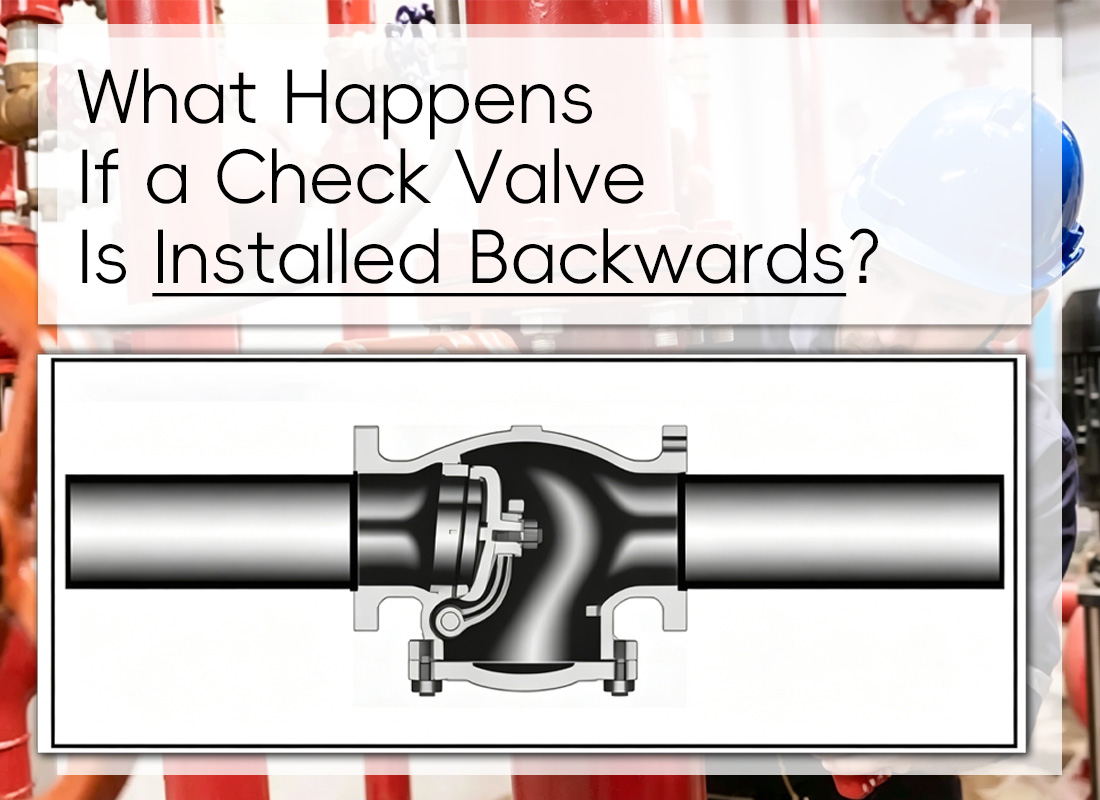
Improper installation remains one of the most frequent root causes. A one way check valve installed in the wrong flow direction will obviously fail, but even correct-direction installations can suffer if placed in turbulent zones.
For example, installing a valve too close to a pump outlet can expose it to unstable flow profiles. In such cases, the valve may oscillate rather than close properly. According to industry fluid dynamics guidelines, a straight pipe length of 5–10 pipe diameters is typically recommended upstream for stable operation.
In vertical installations, gravity-assisted valves like swing check valve designs may not function as intended unless specifically rated for vertical flow. This often leads to partial closure and backflow over time.
The table below summarizes how different factors impact closure performance across typical valve types:
| Factor | Swing Check Valve | Spring Check Valve | Ball Check Valve |
|---|---|---|---|
| Low Flow Sensitivity | High | Low | Medium |
| Debris Resistance | Low | Medium | High |
| Installation Flexibility | Medium | High | High |
| Closure Speed | Slow | Fast | Medium |
| Maintenance Frequency | Medium | Low | Medium |
Addressing a check valve not closing issue requires a combination of inspection and system-level adjustments. The first step is to verify flow conditions. If velocity is too low, resizing the valve or switching to a spring check valve can significantly improve closure reliability.
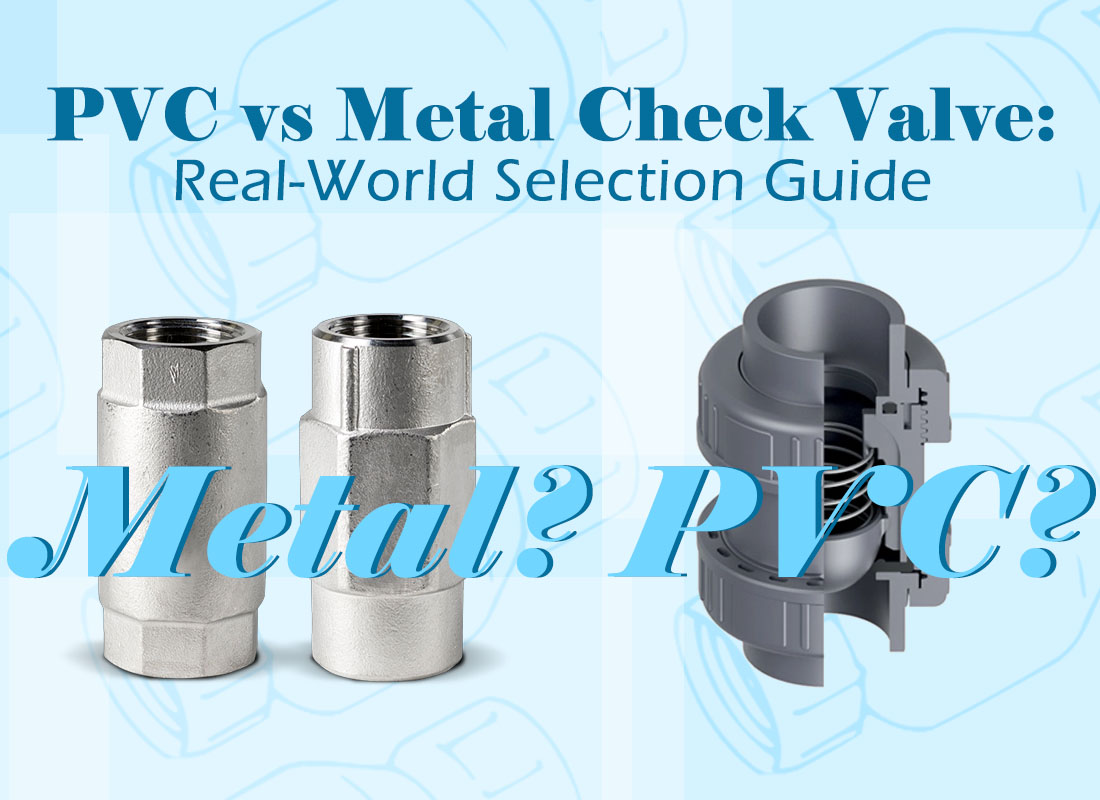
Cleaning is often necessary in contaminated systems. Removing debris from the sealing surface can restore proper function, especially in pvc check valve or water applications where scaling is common.
If mechanical wear is evident, replacement is usually more cost-effective than repair. In high-cycle systems such as compressors, replacing an air compressor check valve at regular intervals prevents unexpected downtime.
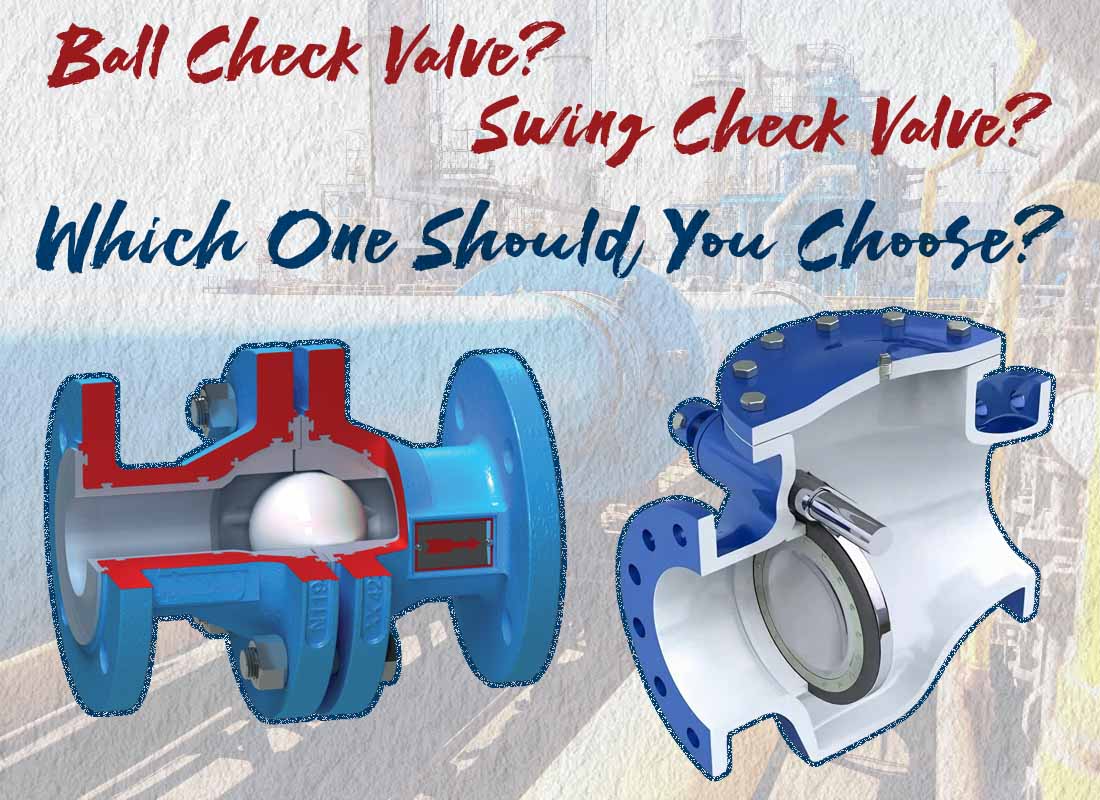
Preventing closure issues starts at the design stage. Selecting the correct valve type based on flow characteristics is essential. For example, ball check valve designs are more tolerant of debris, while spring-assisted designs perform better under fluctuating flow.
Engineers should also consider periodic inspection intervals. In critical systems like well pump check valve installations, routine checks help detect early signs of wear or blockage.
◆ Ensure proper sizing to maintain minimum flow velocity
◆ Avoid installing valves near turbulence sources
◆ Use strainers in systems with particulate matter
◆ Match valve type with application (water, air, slurry)
(FK9025)
You May Interest In
Jul 28, 2025 Blog
How to check air solenoid valve?
Jul 24, 2025 Blog
How to check the solenoid valve?




Get a free sample

FOKCA ©1998-2025 All Rights Reserved Sitemap