- sales@fokca.com info@fokca.com
- WhatsApp: +86 150 5749 1870

Custom Cylinders & System Solutions Manufacturer | Est. 1998
Custom Cylinders & System Solutions Manufacturer | Est. 1998

Apr 08, 2026
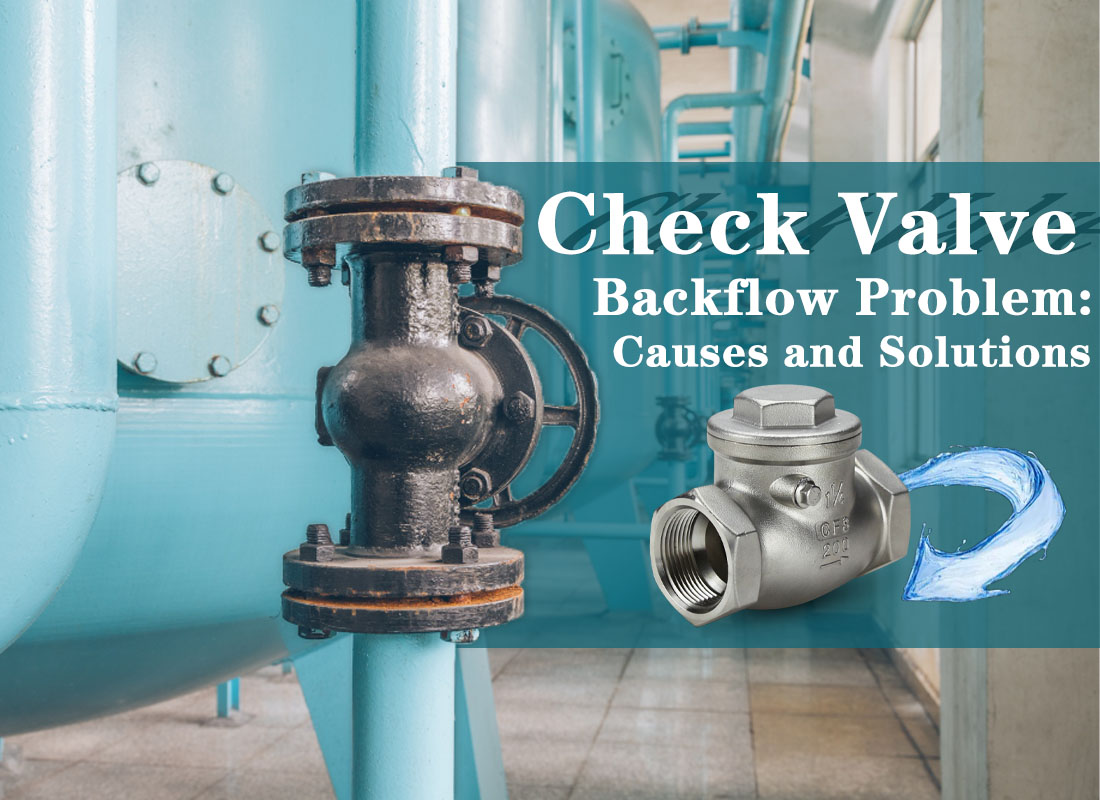
Backflow is one of the most critical failures in any check valve or one way check valve system. In theory, the valve should allow fluid to flow in one direction only. However, in real industrial pipelines, pressure fluctuations, improper sizing, and installation errors can lead to reverse flow.
A common example occurs in pump shutdown scenarios. When a water check valve is installed in a vertical pipeline without sufficient closing force, the sudden drop in forward pressure allows fluid to reverse momentarily. This can damage pumps, contaminate systems, or cause costly downtime.
In applications like sump pump check valve systems, even a small backflow can cause repeated cycling, increasing energy consumption and reducing pump lifespan.
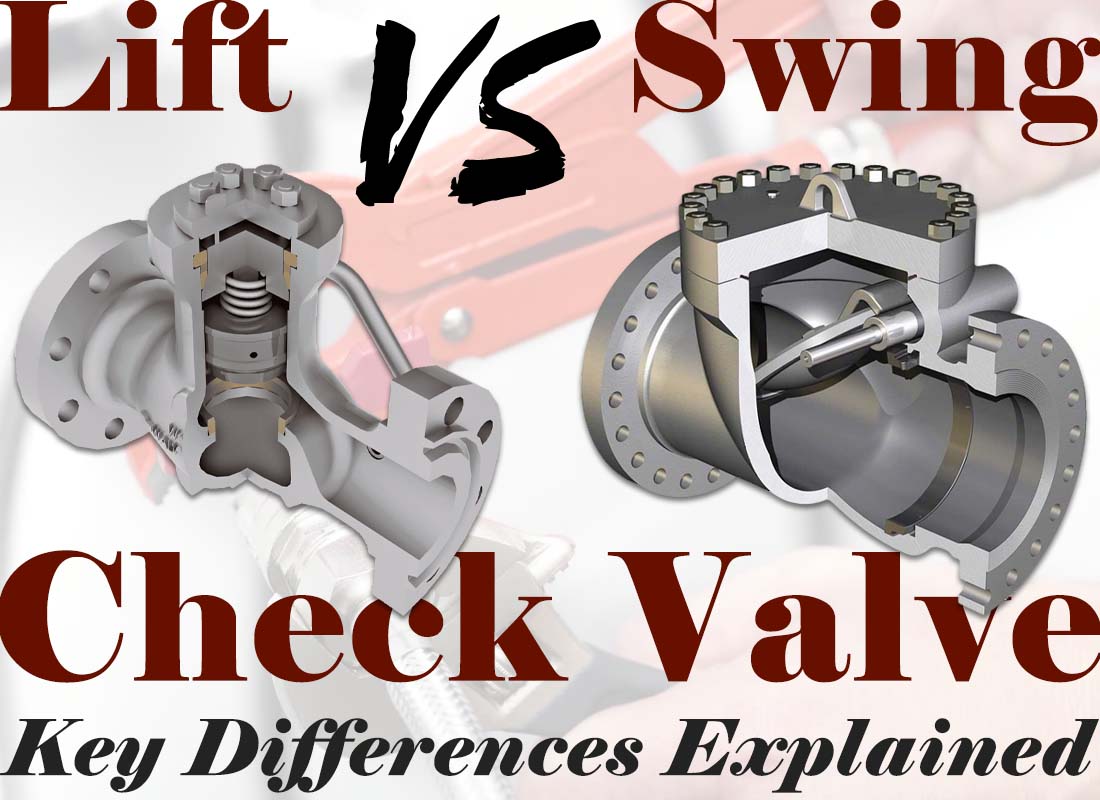
Backflow often originates from internal mechanical limitations. A swing check valve relies on gravity and flow velocity to close. If flow velocity is too low, the disc may not fully seat, allowing leakage.
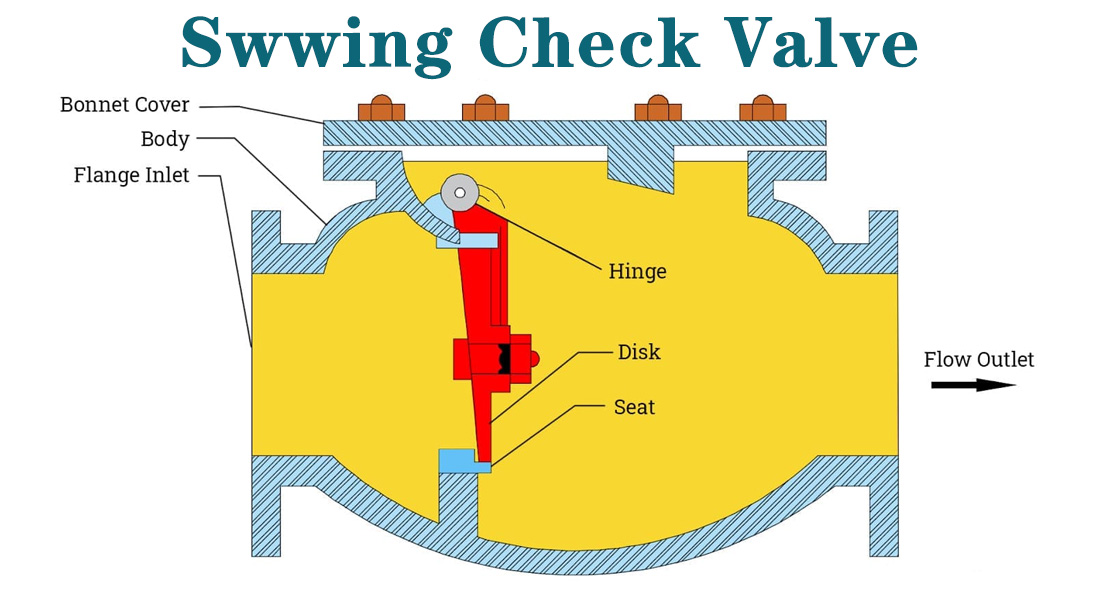
Spring-loaded designs, such as spring check valve or inline check valve, provide faster closure, but they introduce resistance. Over time, spring fatigue or debris accumulation can prevent proper sealing.
Another factor is cracking pressure. If the cracking pressure is too low, the valve may flutter under unstable flow conditions. Conversely, excessive cracking pressure can delay closure.
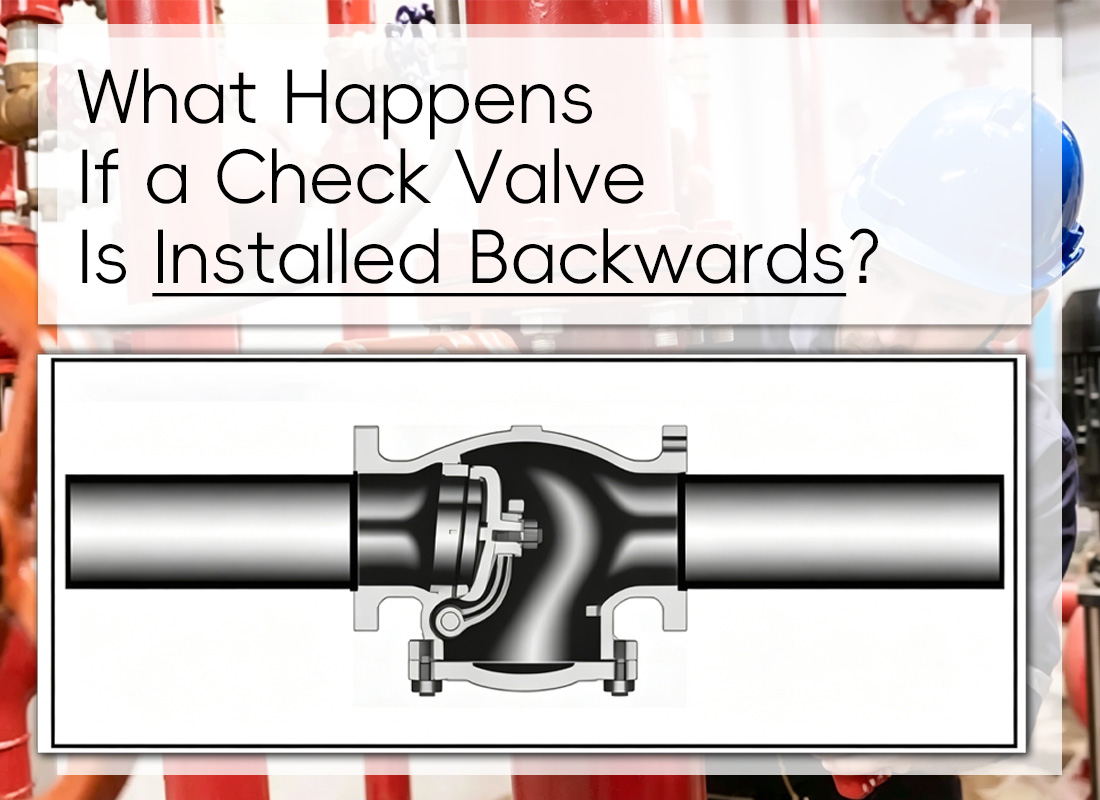
Improper installation is one of the most overlooked causes of backflow. Many systems install air compressor check valve or pipeline valves without considering flow direction or turbulence zones.
For example, placing a valve too close to a pump outlet creates unstable flow patterns. This turbulence prevents the disc from seating correctly. In well pump check valve systems, incorrect vertical positioning can also lead to partial closure.
Engineers often underestimate pipe sizing. Using a 3/4 inch valve in a high-flow system can increase velocity but reduce stability, increasing backflow risk.
The type of valve significantly affects backflow performance. Different designs respond differently to pressure changes and flow conditions.
| Valve Type | Closing Mechanism | Backflow Risk | Typical Application |
|---|---|---|---|
| Swing Check Valve | Gravity + flow | Medium to high | Water pipelines, low pressure systems |
| Spring Check Valve | Spring force | Low | Industrial fluids, compressed air |
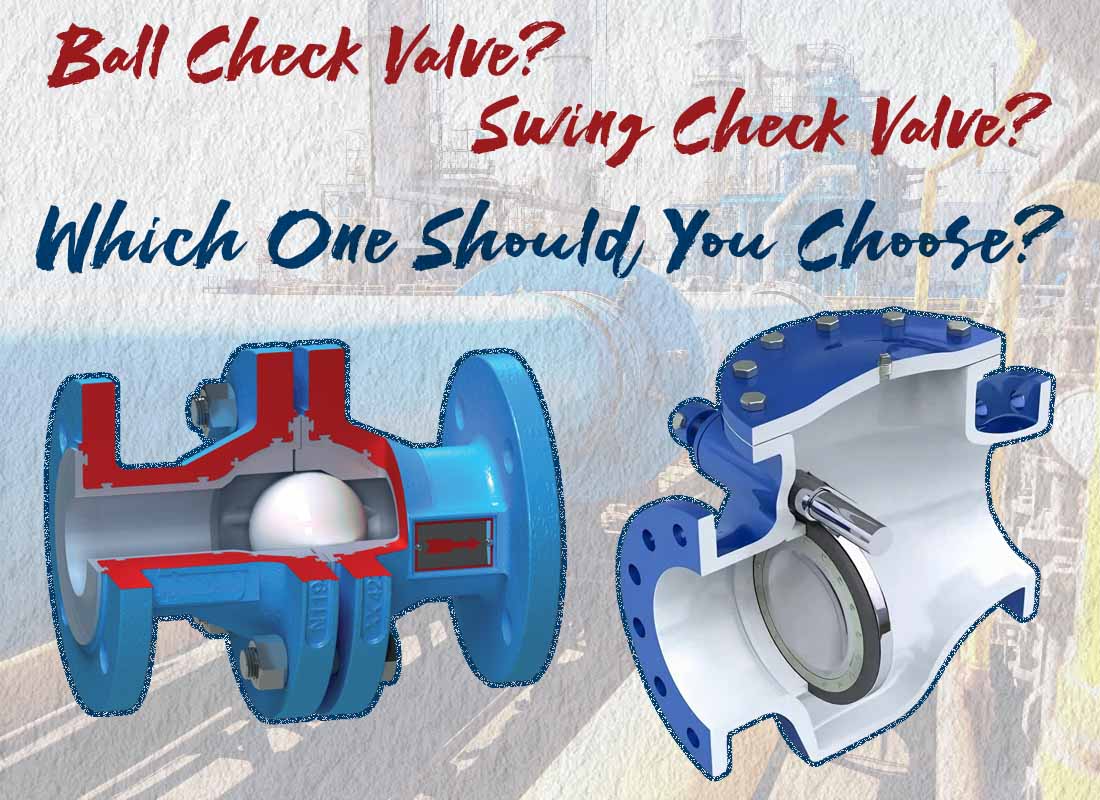
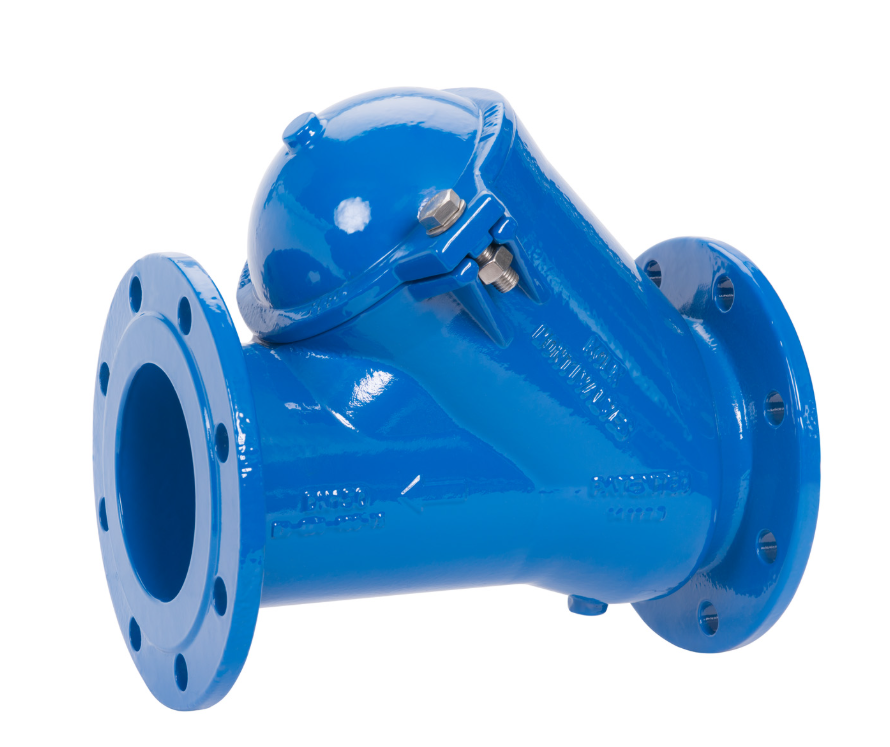
| Ball Check Valve | Ball sealing | Medium | Slurry, wastewater |
| Inline Check Valve | Guided spring | Very low | High-speed systems, air compressors |
Spring-assisted designs generally perform better in dynamic systems, especially where pressure fluctuates frequently.
Solving backflow requires more than replacing the valve. System design plays a major role. In high-risk environments, combining a double check valve or a dedicated backflow preventer vs check valve system can provide additional protection.
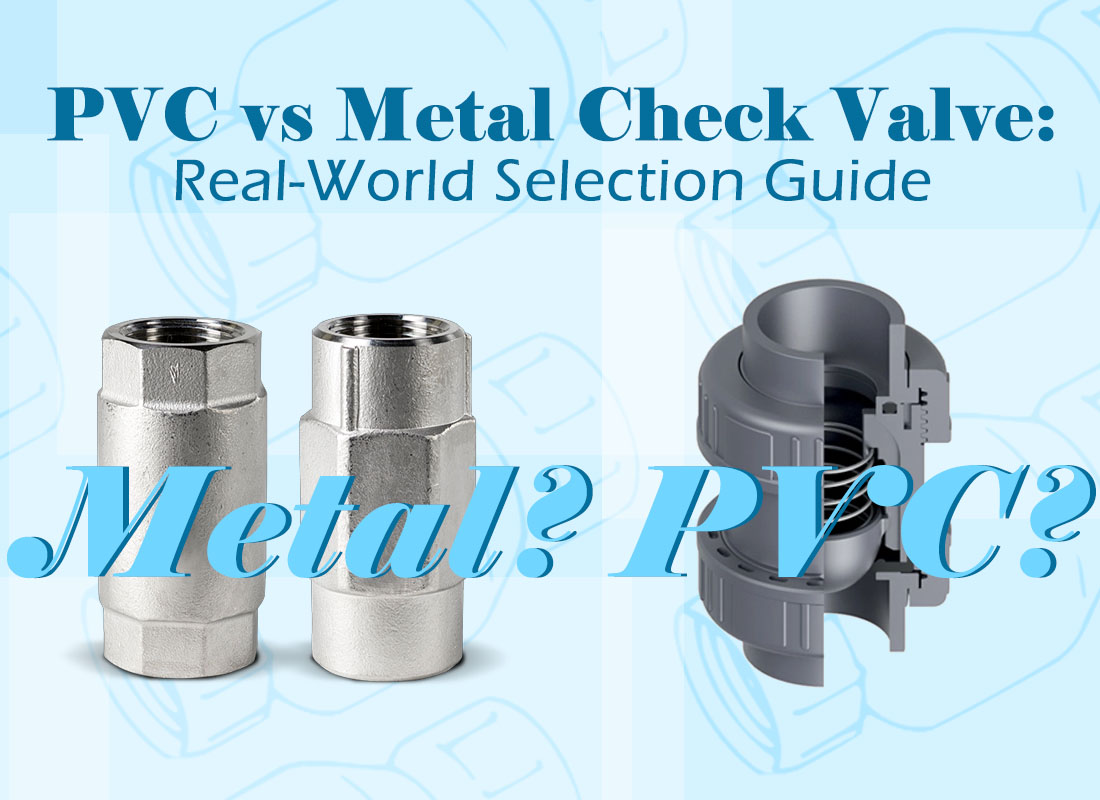
Material selection also matters. Stainless steel valves resist wear better in aggressive media, maintaining sealing performance longer than PVC alternatives.
Another effective approach is optimizing installation location. Installing the valve at least 5–10 pipe diameters downstream of turbulence sources significantly improves sealing performance.
Even a well-designed check valve for sump pump or industrial system can fail without proper maintenance. Over time, debris buildup, corrosion, and seal wear reduce effectiveness.
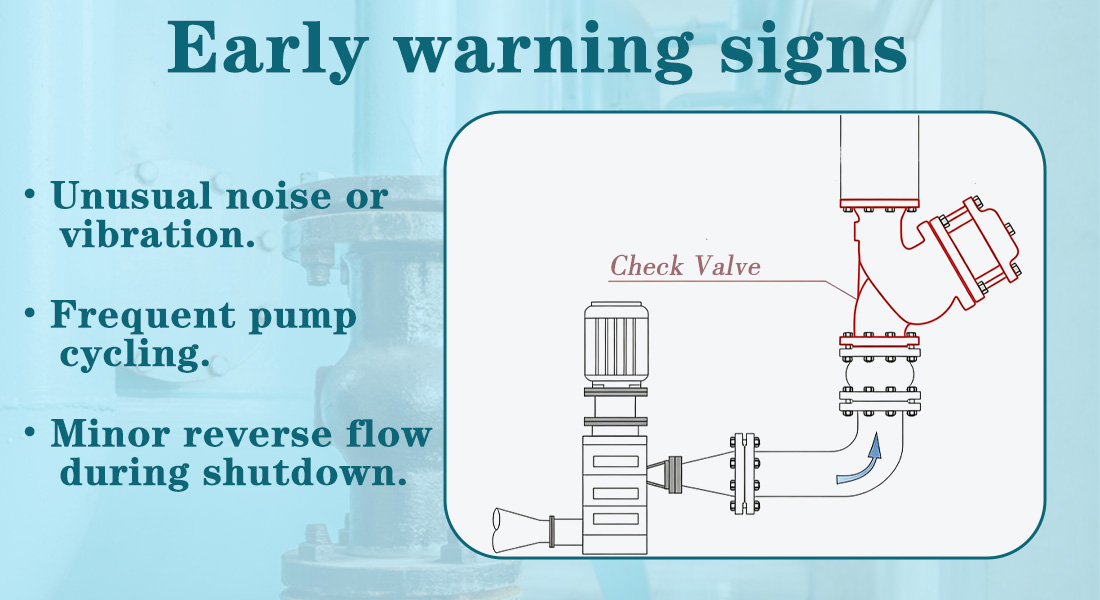
Operators often notice early signs such as:
◆ Unusual noise or vibration
◆ Frequent pump cycling
◆ Minor reverse flow during shutdown
Routine inspection intervals based on system load can extend valve life by 30–50%, according to industry maintenance reports.
For distributors and engineers selecting valves, the decision should not focus only on price. Instead, consider:
◆ Match valve type to flow dynamics, not just pipe size
◆ Choose spring-loaded or inline check valve for unstable systems
◆ Avoid installing near elbows, pumps, or turbulence zones
◆ Use higher-grade materials in corrosive environments
Backflow is rarely caused by a single factor. It is usually the result of combined mechanical, hydraulic, and installation issues. Understanding these interactions allows systems to operate reliably over the long term.
(FK9025)
You May Interest In
Apr 07, 2026 Blog
Why Your Check Valve Is Not Closing (Causes & Fixes)




Get a free sample

FOKCA ©1998-2025 All Rights Reserved Sitemap