- sales@fokca.com info@fokca.com
- WhatsApp: +86 150 5749 1870

Custom Cylinders & System Solutions Manufacturer | Est. 1998
Custom Cylinders & System Solutions Manufacturer | Est. 1998

Feb 09, 2026
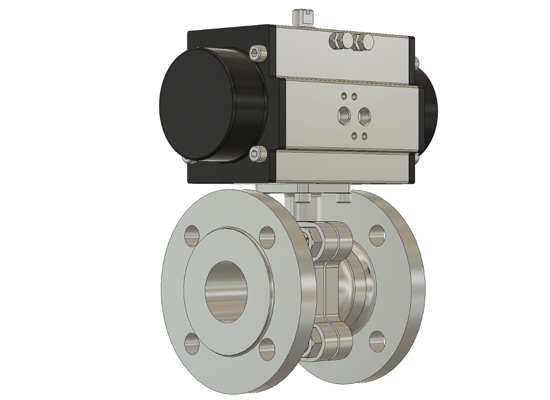
In many fluid systems, flow direction is not always constant. Pipelines in energy, chemical, and utility applications often experience reverse flow during maintenance or process switching. A pneumatic ball valve with single seat may perform well in one direction, yet its sealing logic changes when pressure comes from the opposite side. The dual seat pneumatic actuated ball valve is designed to address this challenge by placing independent seats on both sides of the ball, allowing reliable sealing under bi-directional conditions.
Inside a pneumatic stainless steel ball valve, the sealing depends on the contact between the ball and the seats. In a dual seat design, either seat can become the primary sealing element according to the incoming pressure. This self-adjusting mechanism enables a pneumatic 2 way ball valve to work without a fixed upstream orientation. The medium pressure pushes the active seat toward the ball surface, creating a tight closure even when the flow reverses.
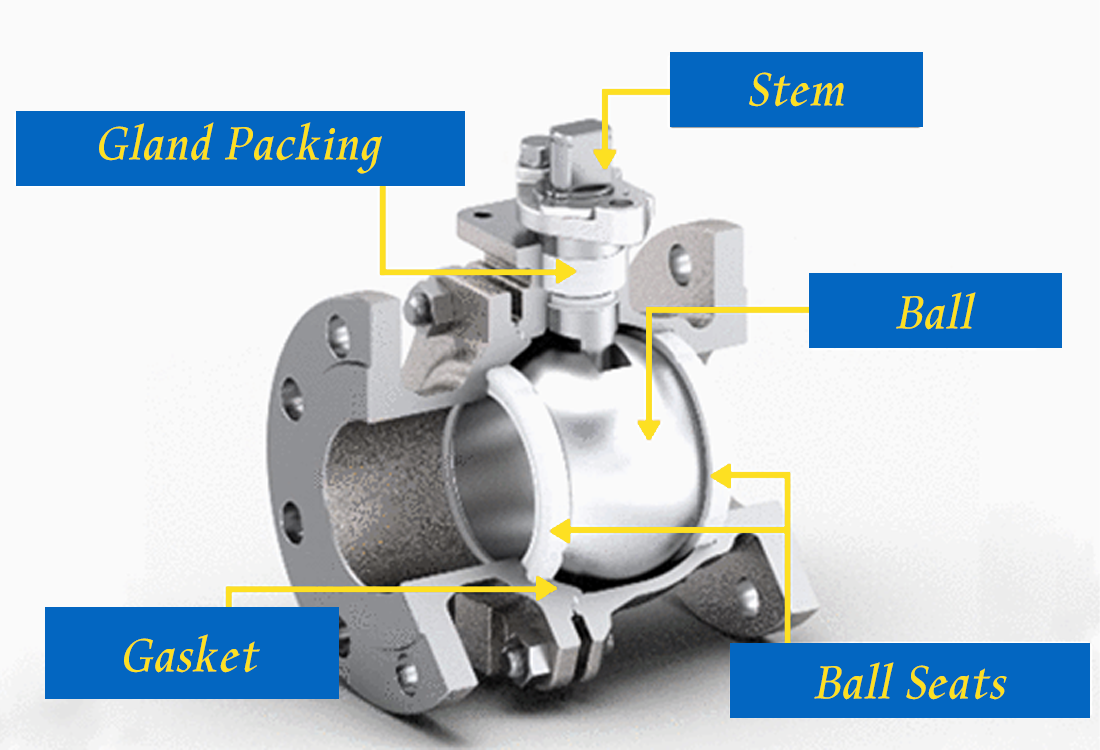
When the medium flows from one side, the upstream seat carries most of the load; when reversed, the other seat takes over. However, the real performance is influenced by machining accuracy, seat elasticity, and pneumatic ball valve torque requirement. If the actuator of an air operated ball valve does not provide enough output, the contact pressure may be insufficient, leading to slight leakage.
| Flow Direction | Main Sealing Seat | Pressure Effect | Potential Risk |
|---|---|---|---|
| Upstream → Downstream | Upstream seat | Self-tightening | Seat wear |
| Downstream → Upstream | Downstream seat | Self-tightening | Torque shortage |
| Alternating | Both seats | Balanced | Material fatigue |
For pneumatic ball valve for gas and pneumatic ball valve for steam, pressure fluctuation is common. Dual seats prevent the loss of sealing caused by reverse installation. In automation lines using pneumatic ball valve automation, the valve can be mounted without considering flow arrow, which simplifies piping layout. Many compact pneumatic ball valve models are selected during retrofit projects because they tolerate uncertain flow direction.
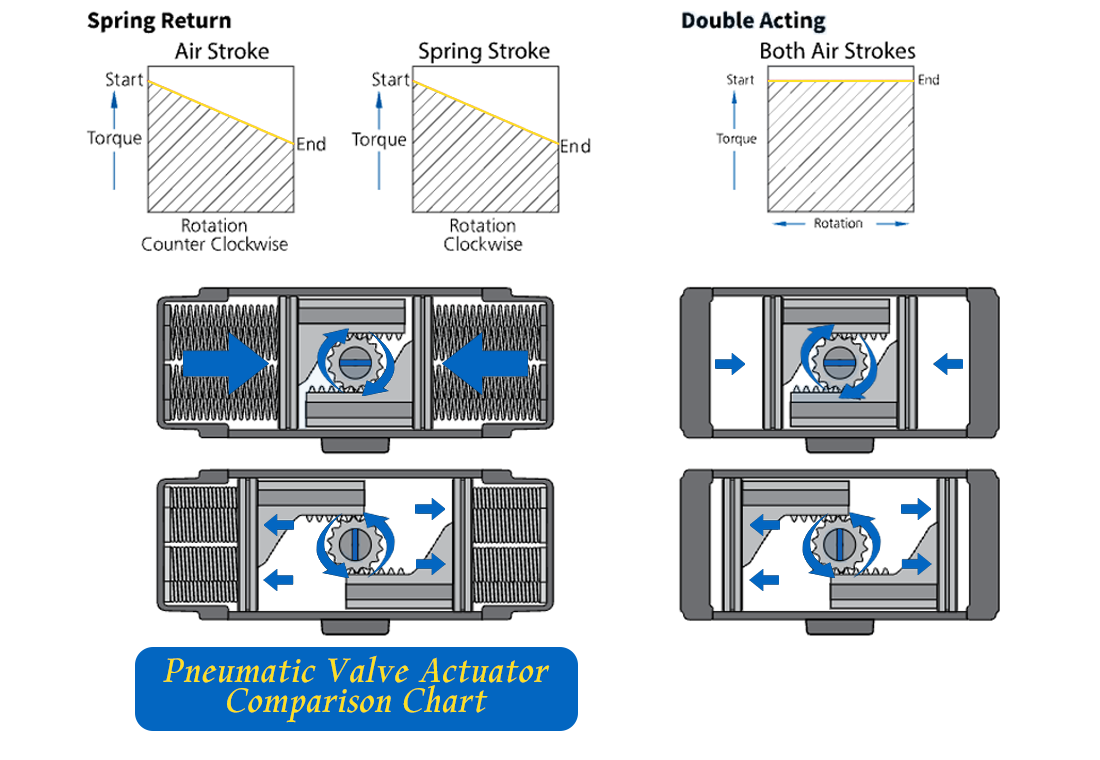
Dual seats are not a universal solution. In dirty media, both seats of a high pressure pneumatic ball valve may suffer contamination. For low temperature pneumatic ball valve, material shrinkage can change the preload and reduce life. When a single acting pneumatic ball valve is used, spring return torque might be lower than required for the worst direction.
Correct matching between actuator and valve is essential. Compared with single seat type, dual seat design usually demands higher drive force in the pneumatic ball valve sizing chart. Engineers should evaluate friction, seat material, and pneumatic ball valve flow control characteristics before deciding between double acting pneumatic ball valve or spring return pneumatic ball valve.
In oil & gas and HVAC systems, where backflow may occur, a dual seat pneumatic actuated ball valve offers higher reliability. For sanitary pneumatic ball valve applications, choose certified soft seats and consider maintainability. Following a professional pneumatic ball valve installation guide and ensuring balanced loading on both sides will help achieve long-term bi-directional sealing.
(FK9025)
You May Interest In
Feb 07, 2026 Blog
Medium Trapping in Pneumatic Ball Valve Rotation

Jan 08, 2026 Blog
Why Globe Valves Cannot Fully Replace Ball Valves


Get a free sample

FOKCA ©1998-2025 All Rights Reserved Sitemap