- sales@fokca.com info@fokca.com
- WhatsApp: +86 150 5749 1870

Custom Cylinders & System Solutions Manufacturer | Est. 1998
Custom Cylinders & System Solutions Manufacturer | Est. 1998

Apr 27, 2026
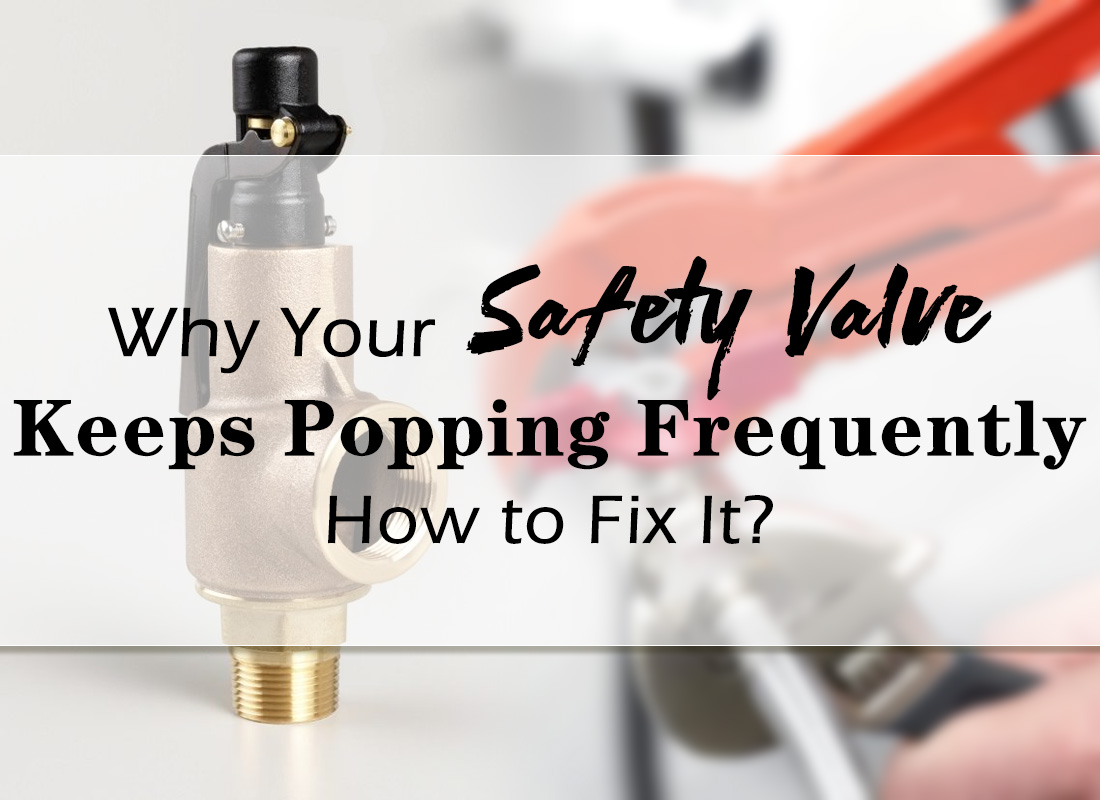
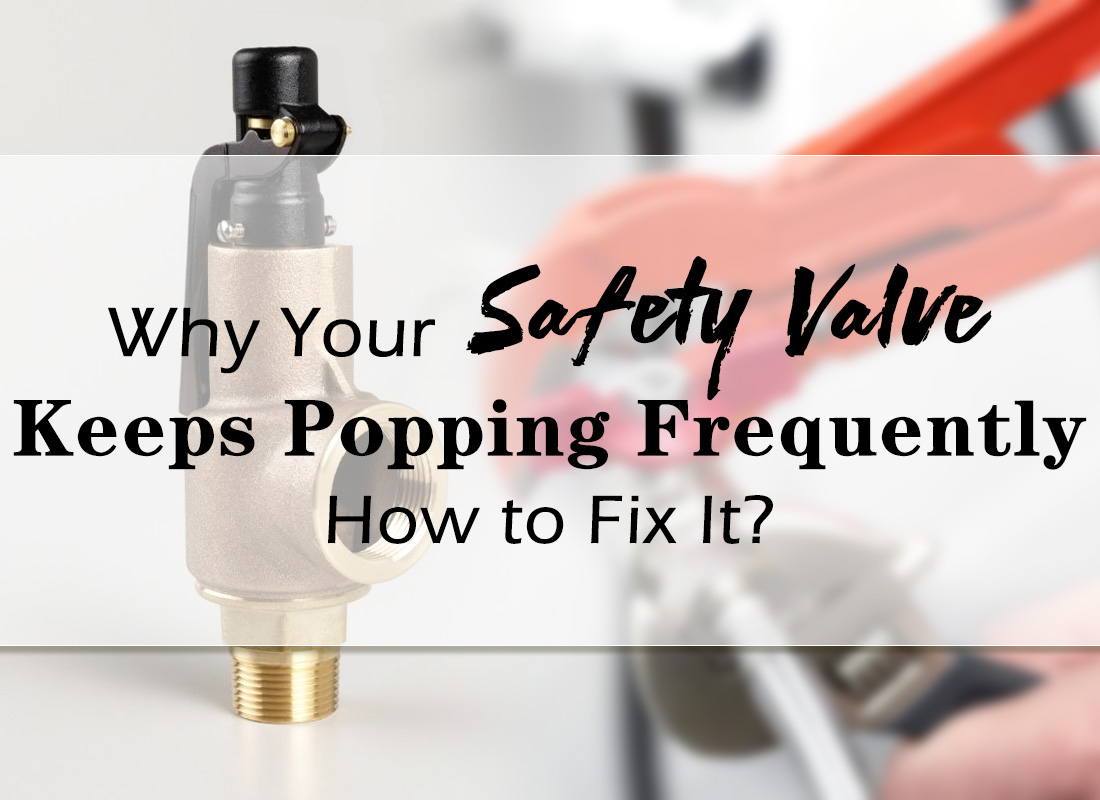
When a safety valve opens too often, it usually signals more than just temporary pressure fluctuation. In most industrial systems, a properly sized safety pressure relief valve should only activate under abnormal conditions. Frequent popping suggests that the system is operating too close to its pressure limit, or that the valve itself is not properly calibrated.
In steam lines, compressors, or heating systems, pressure cycles can become unstable due to load variation. A boiler safety relief valve leaking or lifting repeatedly often indicates that the set pressure is too close to the normal operating range. Over time, this leads to wear on sealing surfaces and reduced reliability, which further increases the likelihood of leakage or chatter.
One of the most overlooked issues is improper sizing. If a pressure safety valve is undersized, it may not handle transient pressure spikes effectively, causing repeated discharge. On the other hand, oversized valves may suffer from instability and “chattering,” especially in systems with low flow variation.
Another frequent cause is upstream pressure fluctuation. For example, in compressed air systems, an air compressor safety relief valve may open repeatedly due to inconsistent compressor cycling or faulty pressure switches. Similarly, in hot water systems, a water heater safety valve may react to thermal expansion if no expansion tank is installed.
Contamination is equally critical. Dirt or scale buildup can prevent proper sealing, resulting in a safety relief valve leaking even when pressure is within acceptable limits. According to industry maintenance reports, over 30% of valve failures are related to contamination or improper maintenance practices.
Although often used interchangeably, there is a technical distinction between a pressure relief valve and safety valve. A safety valve typically opens rapidly at a set pressure to protect against sudden overpressure, commonly used in steam systems. A relief valve, however, opens gradually to regulate pressure in liquid systems.
Understanding this difference helps engineers select the right device. For example, a steam safety relief valve must respond instantly to pressure spikes, while hydraulic systems rely more on controlled discharge. Misapplication can lead to frequent popping or inefficient pressure control.
Engineers often approach this issue systematically by evaluating system conditions and valve parameters. The following table outlines typical causes and recommended actions:
| Issue | Possible Cause | Recommended Action |
|---|---|---|
| Frequent popping | Set pressure too close to operating pressure | Increase margin (10–15% typical) |
| Valve leakage | Seat contamination or wear | Clean or replace valve components |
| Chattering | Oversized valve or unstable flow | Recalculate sizing and flow conditions |
| Continuous discharge | System overpressure | Inspect upstream pressure control |
| Intermittent lifting | Thermal expansion (liquid systems) | Install expansion tank |
Certain applications are more prone to this issue due to operating characteristics. In steam boilers, a boiler safety valve may cycle frequently during startup or load changes. In gas systems, such as a gas safety valve used in ovens or burners, inconsistent fuel pressure can lead to repeated activation.
Compressed air systems also present challenges. A compressor safety valve exposed to rapid cycling may wear faster if pressure regulation is not stable. In these environments, selecting a spring loaded safety relief valve with appropriate response characteristics becomes essential.
Frequent activation is not just an operational issue—it directly impacts valve lifespan. Regular inspection intervals should include seat integrity checks, spring calibration, and system pressure verification. A well-maintained safety relief valve can maintain performance over thousands of cycles, but neglect quickly leads to failure.
For systems with recurring issues, upgrading to an adjustable safety relief valve or a pilot operated safety relief valve may provide better stability under variable loads. These designs offer improved control and reduce unnecessary discharge events.
When frequent popping becomes a recurring problem, the solution is rarely just replacing the valve. It requires a broader system perspective:
◆ Ensure set pressure is at least 10% above normal operating pressure
◆ Verify compatibility between valve type and application medium
◆ Avoid oversizing, especially in low-flow systems
◆ Implement routine cleaning to prevent contamination buildup
◆ Consider advanced valve types for fluctuating pressure systems
A properly selected and maintained safety valve not only protects equipment but also reduces downtime and operational costs. Small adjustments in sizing, installation, and maintenance often make the difference between stable operation and persistent pressure issues.
(FK9025)
You May Interest In
Sep 12, 2025 Blog
Staying protected with spring loaded safety valves
Apr 22, 2026 Blog
PVC vs Metal Check Valve: Real-World Selection Guide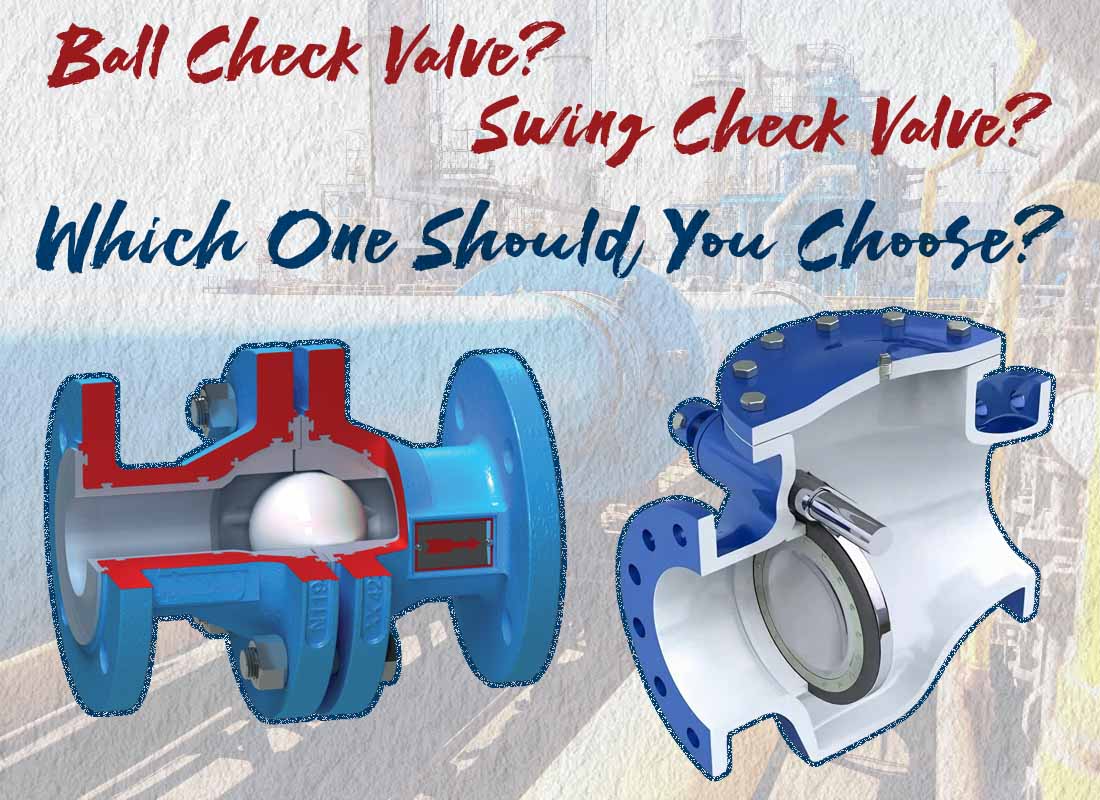
Apr 20, 2026 Blog
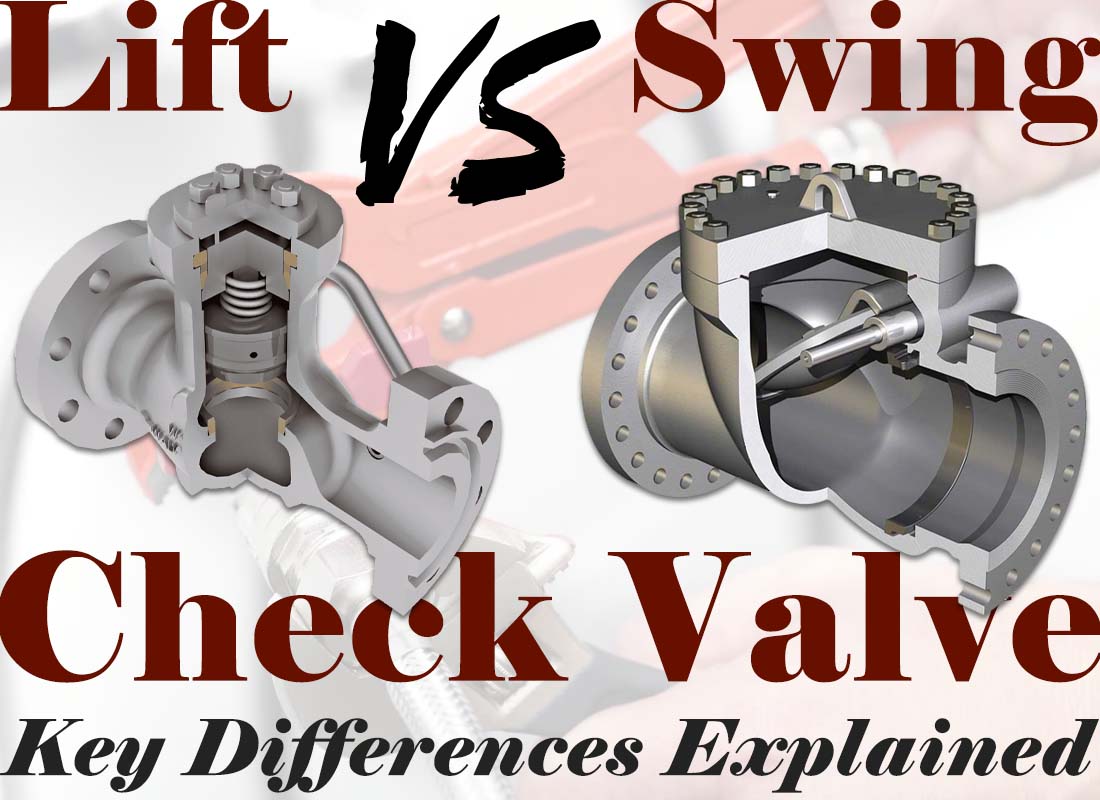
Swing vs Lift Check Valve: Key Differences Explained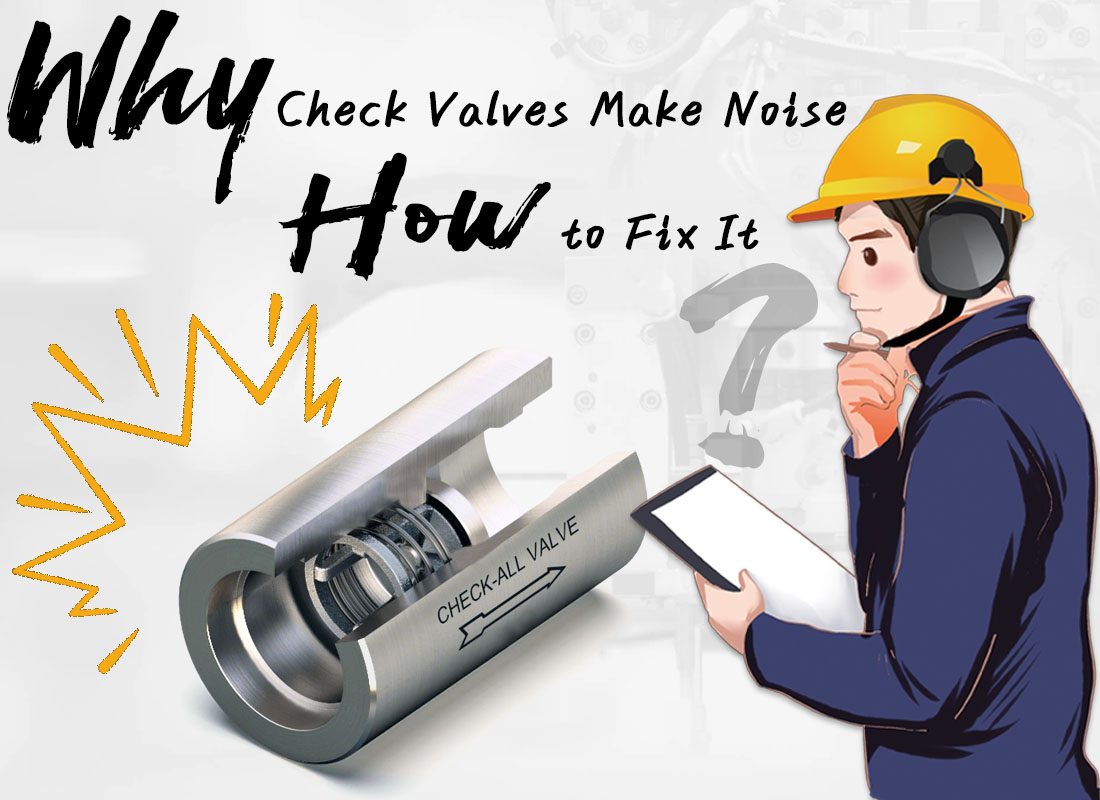
Apr 09, 2026 Blog
Why Check Valves Make Noise and How to Fix It?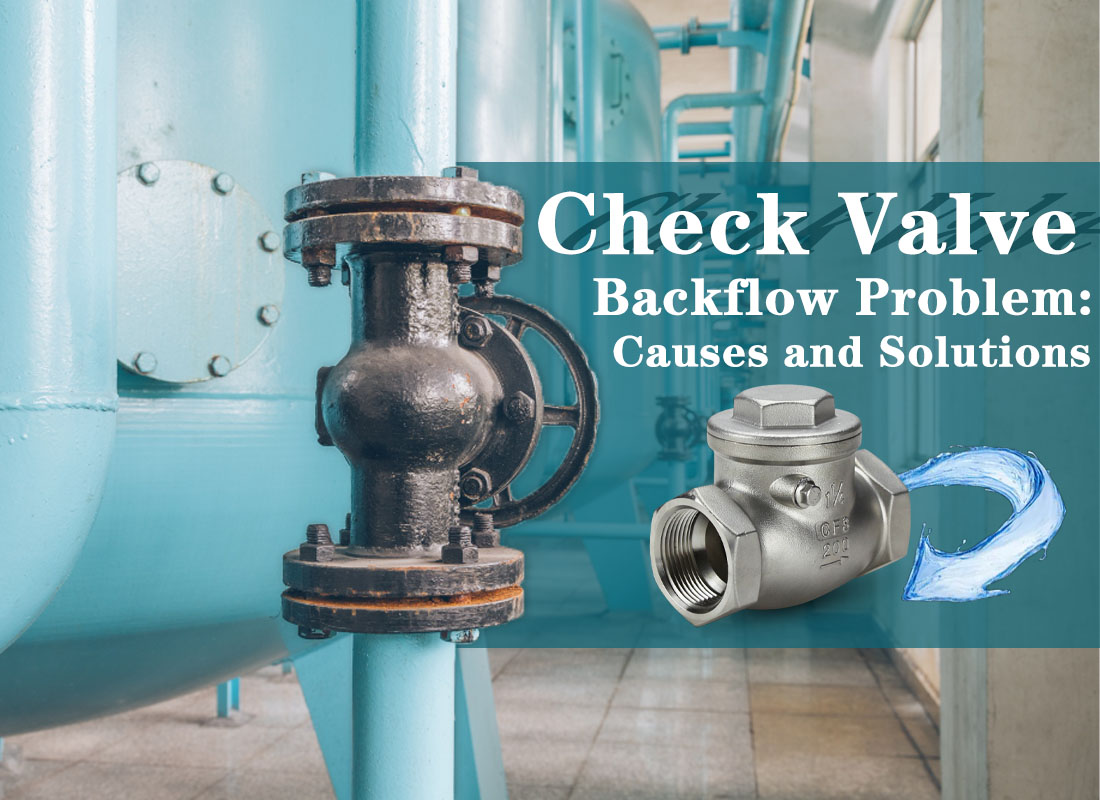
Apr 08, 2026 Blog
Check Valve Backflow Problem: Causes and Solutions

Get a free sample

FOKCA ©1998-2025 All Rights Reserved Sitemap