- sales@fokca.com info@fokca.com
- WhatsApp: +86 150 5749 1870

Custom Cylinders & System Solutions Manufacturer | Est. 1998
Custom Cylinders & System Solutions Manufacturer | Est. 1998

Feb 19, 2026
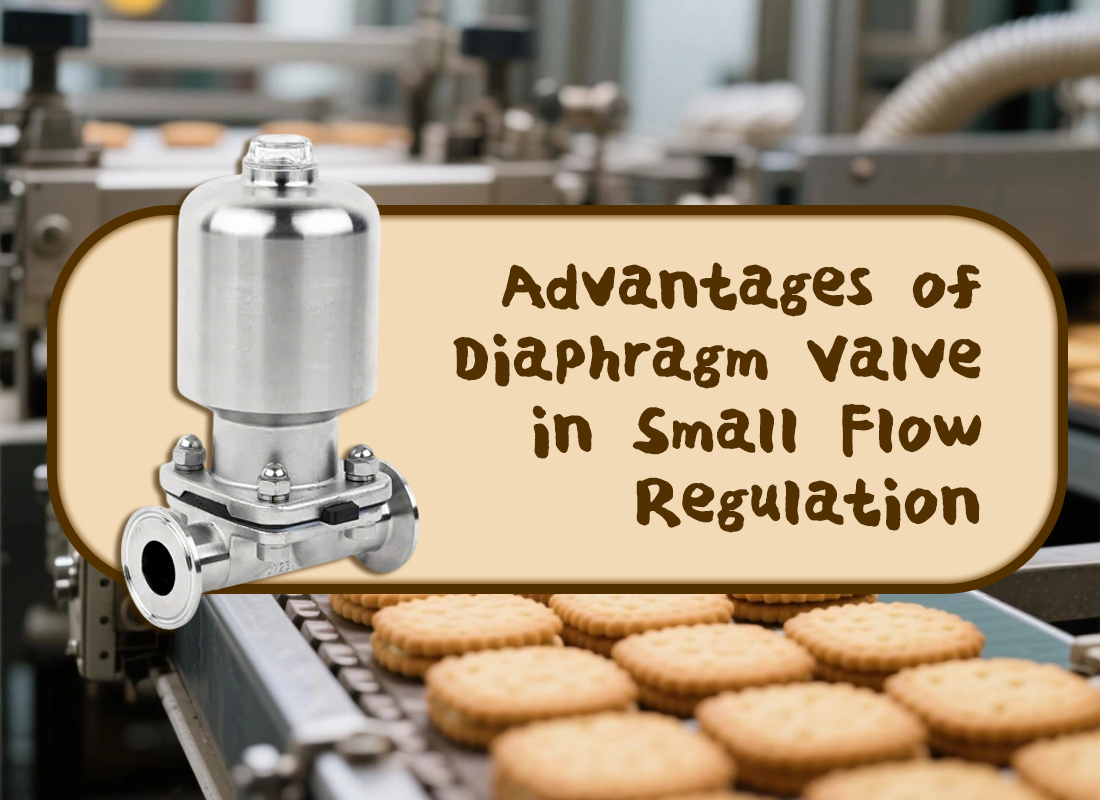
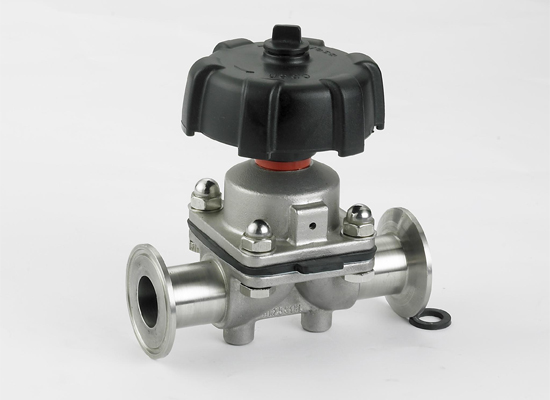
Precise small flow regulation is more demanding than simple on/off control. A diaphragm valve changes the flow passage gradually through elastic deformation of the diaphragm, allowing continuous modulation instead of abrupt switching. This mechanism is widely used in pharmaceutical, food, laboratory and chemical processes where stability matters more than speed.
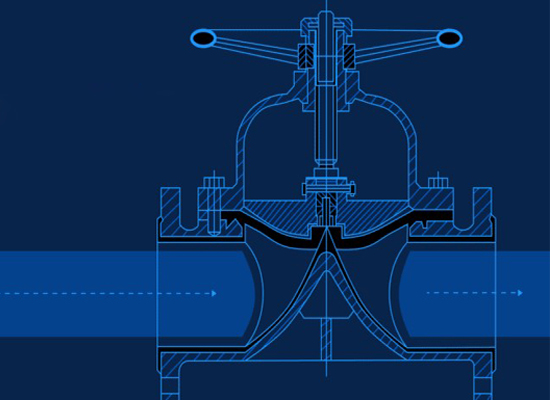
The working principle relies on the flexible membrane matching the valve body contour. When pressure is applied, the diaphragm contacts the seat step by step, forming a natural throttling curve. Compared with fast-acting valves, this behavior provides smoother adjustment and makes the diaphragm control valve ideal for micro-dosing and proportioning tasks.
At low flow rates, the system becomes sensitive to tiny opening changes. A pneumatic diaphragm valve can convert air pressure into predictable displacement, giving a stable regulation band. Hard-seal valves usually struggle to stay at an intermediate position and may cause vibration or leakage.
The isolation between media and mechanism is another advantage. Sanitary diaphragm valve designs eliminate dead pockets and ensure repeatability, which explains their popularity as diaphragm valve for pharmaceutical applications.
| Feature | Diaphragm valve | Ball valve | Solenoid valve |
|---|---|---|---|
| Modulation ability | Excellent | Limited | Poor |
| Minimum controllable flow | Very low | High | High |
| Media isolation | Complete | Partial | Partial |
| Cleaning performance | Best | Medium | Limited |
Material selection affects both life and sensitivity. PTFE diaphragm valve offers strong chemical resistance, while rubber membranes provide better flexibility at micro openings. Choosing the correct material is as important as selecting the structure.
The diaphragm valve actuator determines response characteristics. Pneumatic drives with positioners build closed-loop control, and automated diaphragm valve units can be integrated into modern DCS platforms. For unattended plants, remote controlled diaphragm valve keeps flow stable with minimal intervention.
In dosing lines, diaphragm valve for chemical processing often smooths pulsating output from pumps, converting it into a near constant stream—something fast switching valves rarely achieve.
When comparing diaphragm valve vs ball valve, the ball type suits large flow and frequent switching, while diaphragm structure excels in proportional control. The 316L stainless steel diaphragm valve version further meets hygiene requirements without sacrificing precision.
Correct diaphragm valve mounting orientation avoids gravity influence on membrane behavior. For harsh duties, evaluate high temperature diaphragm valve limits and choose between weir-type diaphragm valve or straight-through designs according to pressure loss.
Through gradual deformation and full media isolation, the diaphragm valve provides a reliable solution for delicate flow tasks. For agents, engineers and end users seeking stable micro regulation, it remains a technically sound choice over conventional quick-acting valves.
(FK9025)
You May Interest In


Get a free sample

FOKCA ©1998-2025 All Rights Reserved Sitemap