- sales@fokca.com info@fokca.com
- WhatsApp: +86 150 5749 1870

Custom Cylinders & System Solutions Manufacturer | Est. 1998
Custom Cylinders & System Solutions Manufacturer | Est. 1998

Feb 18, 2026
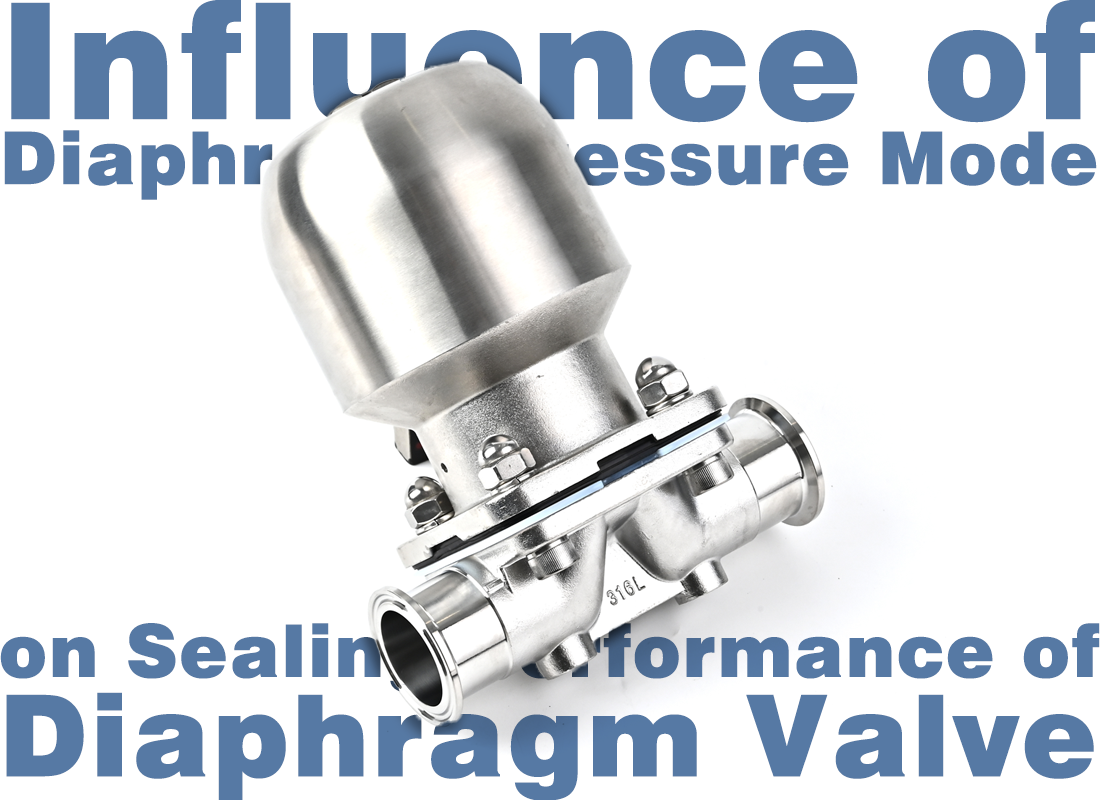
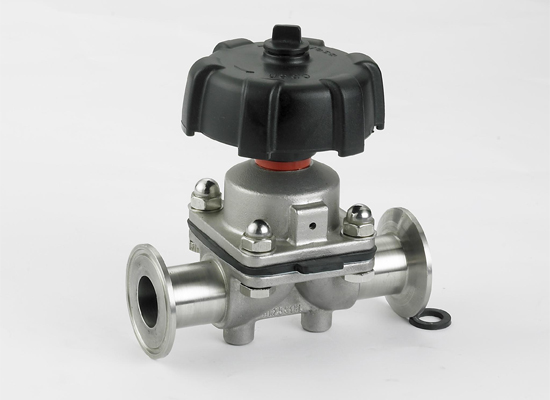
The sealing mechanism of a diaphragm valve is often misunderstood as a simple compression process. In reality, the contact condition between the diaphragm and the valve body depends on how pressure is applied, the geometry of the flow path, and the behavior of the actuator. Engineers who only focus on material selection may overlook the fact that sealing quality is primarily created by a controlled pressure distribution.
Unlike metal seated valves, the diaphragm acts as a flexible barrier. During closing, the diaphragm control valve relies on elastic deformation to match the contour of the body. If the force from the diaphragm valve actuator is uneven, micro-channels can appear even when high-grade PTFE is used.
In a weir-type diaphragm valve, contact begins at the center ridge and spreads outward. A straight-through diaphragm valve experiences a more uniform loading pattern, which explains why it is favored in high purity applications. The difference becomes more obvious when comparing a manual valve with a pneumatic diaphragm control valve where dynamic impact is involved.
| Structure | Sealing Behavior | Best Media | Maintenance Level |
|---|---|---|---|
| Weir-type diaphragm valve | Gradual contact | General fluids | Medium |
| Straight-through diaphragm valve | Uniform contact | Ultra-clean media | Low |
| Double diaphragm valve | Balanced support | Corrosive service | Low |

Three pressure modes are commonly seen in industrial diaphragm valve design:
◆ Central compression – suitable for small sizes and compact automated diaphragm valve.
◆ Progressive plate compression – widely used in sanitary diaphragm valve.
◆ Multi-point support – applied in large diameter or double diaphragm valve to prevent distortion.
The output curve of a pneumatic actuator diaphragm valve greatly affects repeatability. Fast switching may cause momentary over-compression, while a diaphragm valve with positioner can maintain a stable closing force. In automated lines, the diaphragm valve automation system must consider both media pressure and actuator response to achieve accurate diaphragm valve flow control.
Material behavior changes the sealing result. PTFE diaphragm valve offers excellent chemical resistance but requires a precise stroke. Rubber diaphragms adapt better to low pressure systems. For hygienic installations such as sanitary pneumatic diaphragm valve for food industry or diaphragm valve for pharmaceutical applications, uniform pressure is essential to avoid residue pockets.
When comparing diaphragm valve vs ball valve, the diaphragm design isolates the medium from mechanical parts, which is why it is preferred in diaphragm valve for chemical processing and sterile production.
Improper diaphragm valve mounting orientation or unexpected back pressure can lift the diaphragm and reduce tightness. High temperature service using high temperature diaphragm valve requires attention to creep, while 316L stainless steel diaphragm valve bodies provide better dimensional stability.
Understanding the pressure mode clarifies what is diaphragm valve in automation and why this design remains the safest option for contamination-sensitive systems. Correct matching of actuator, structure, and material ensures that an air operated diaphragm valve or electric diaphragm valve delivers reliable isolation over long service life.
(FK9025)
You May Interest In


Get a free sample

FOKCA ©1998-2025 All Rights Reserved Sitemap