- sales@fokca.com info@fokca.com
- WhatsApp: +86 150 5749 1870

Custom Cylinders & System Solutions Manufacturer | Est. 1998
Custom Cylinders & System Solutions Manufacturer | Est. 1998

Feb 03, 2026
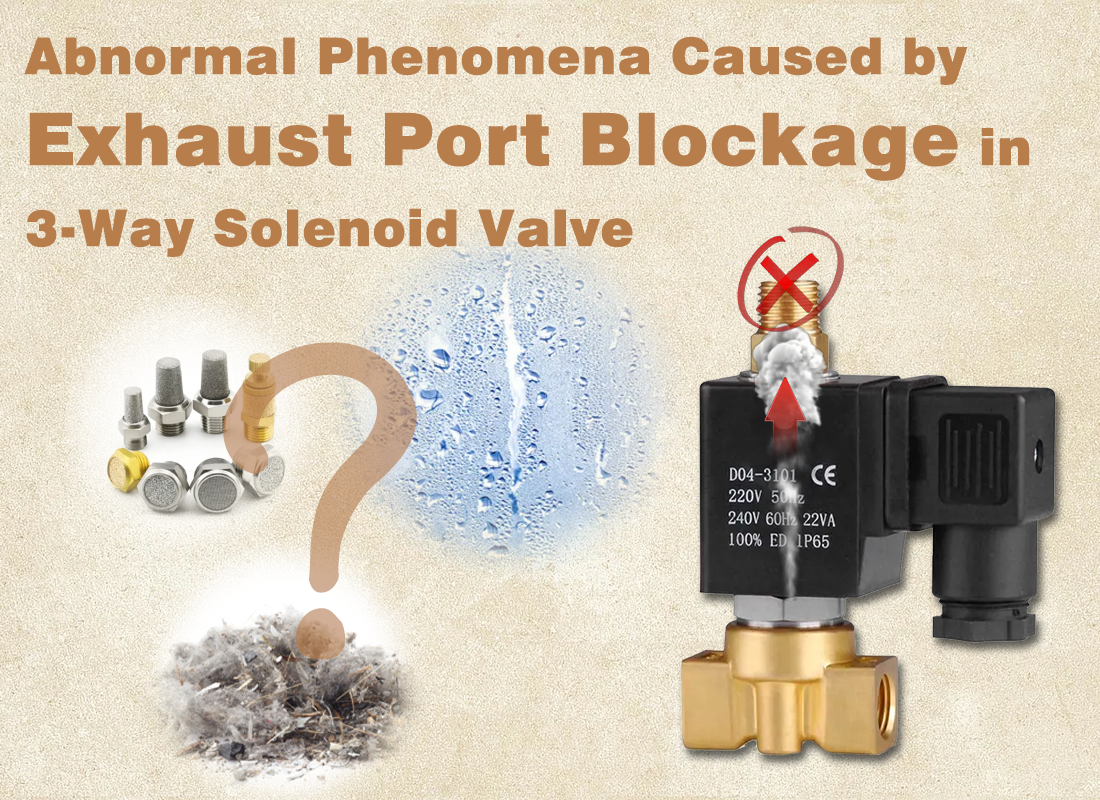
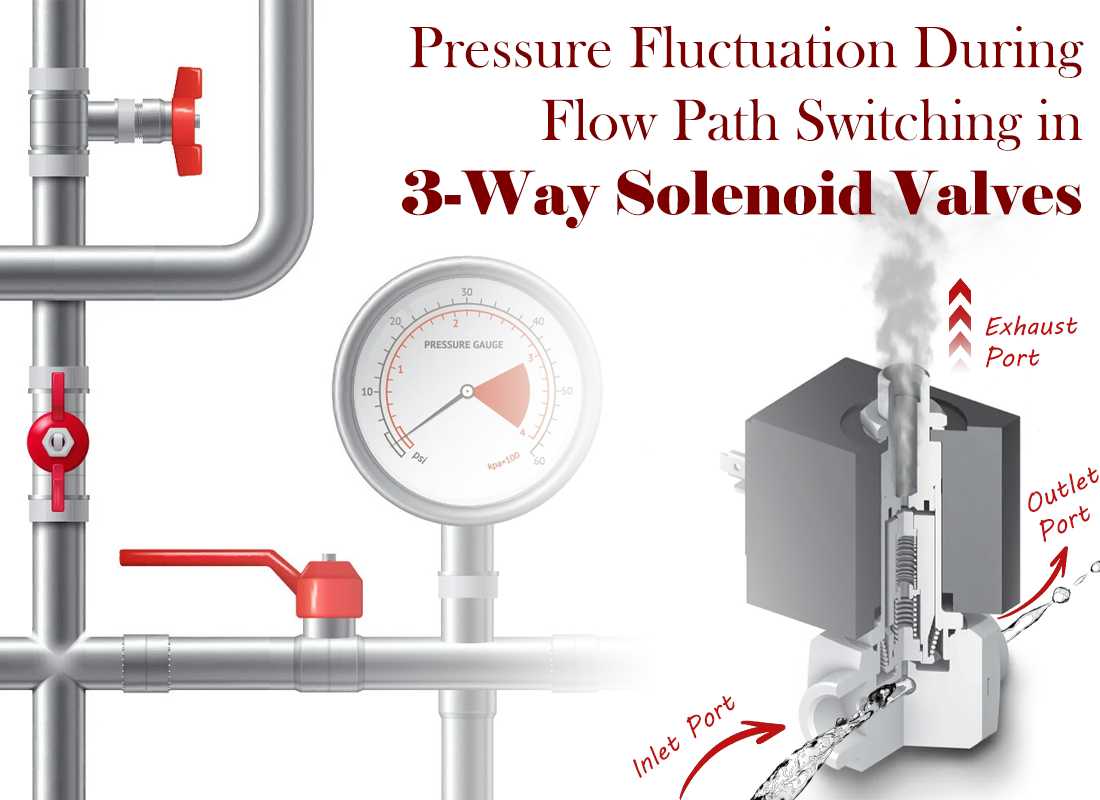
In pneumatic automation, the 3 way solenoid valve is not only a switching element for air supply but also the core component for releasing pressure from actuators. Many field failures originate from the exhaust side rather than from the coil or spool. When the exhaust port becomes restricted, cylinders and air actuators may respond slowly, fail to reset, or remain under pressure, creating hidden safety risks.
Unlike a two-port design, a 3/2 way solenoid valve must complete three tasks: supply, hold, and exhaust. The exhaust channel works as the breathing path of the system. During de-energizing, compressed air inside the actuator should escape rapidly so that springs or external loads can drive the mechanism back. If the exhaust path is narrowed by dust, oil mist, or a clogged silencer, the pressure difference across the spool cannot reach the designed value, and the logic of the pneumatic directional control valve is disturbed.
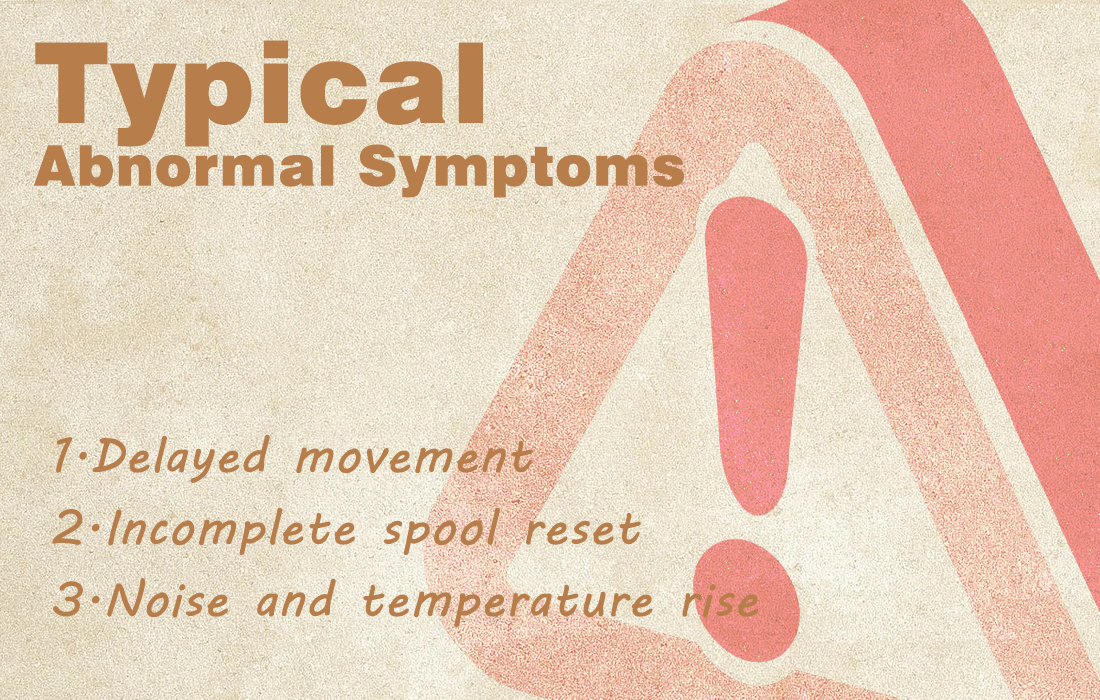
Field experience with 3-way pneumatic solenoid valve shows several common symptoms:
① Delayed movement: Single acting cylinders return slowly, and cycle time increases.
② Incomplete spool reset: Residual pressure holds the spool in a middle position, leading to chaotic switching at the next command.
③ Noise and temperature rise: High-speed airflow through a small gap produces sharp noise and accelerates seal wear.
Such problems are critical in safety-related equipment where the exhaust port valve 3 way is expected to release pressure immediately after power loss.
A 3 way normally closed solenoid valve or normally open type handles two flow paths alternately. If exhaust is blocked, new pressure balance cannot be established. In pilot structures, the pilot chamber fails to vent, so even a healthy coil cannot drive the main valve. This is a typical misunderstanding during troubleshooting of industrial automation solenoid valves.
◆ Contaminated silencers in oil-lubricated air
◆ Fibers and particles in textile or woodworking plants
◆ Incorrect installation with long closed tubing
◆ Ice formed by condensate in cold environments
| Valve type | Behavior when exhaust blocked | Risk level |
|---|---|---|
| 3 way direct acting solenoid valve | Spool moves but cannot complete stroke | Medium |
| 3 way pilot operated solenoid valve | Pilot cannot vent, main valve stuck | High |
| Compact 3 way solenoid valve | Small passages easier to clog | High |
For reliable 3 way solenoid valve switching, several practices are effective:
◆ Use replaceable filtered silencers and keep maintenance access.
◆ In dusty workshops, adopt remote exhaust or modular manifold solenoid valves with centralized venting.
◆ Select models with larger exhaust capacity for 3 way valve for pneumatic cylinder applications.
◆ Check exhaust flow periodically instead of only measuring coil voltage of AC/DC 3 way solenoid valve.
When choosing between selecting vs diverting 3 way valves, attention should be paid to the exhaust logic required by the system. High-speed equipment may need a fast response 3 way solenoid valve, while compact machines prefer compact 3/2 pneumatic solenoid valve with integrated silencers. In all cases, the exhaust path must remain as free as the inlet.
The performance of a 3 way valve automation system often depends on this small port. Understanding how exhaust restriction affects spool dynamics helps engineers, distributors, and end users avoid misjudgment and unnecessary replacement. Proper design and maintenance ensure that the industrial fluid control solenoid valve truly delivers safe and stable operation.
(FK9025)
You May Interest In



Get a free sample

FOKCA ©1998-2025 All Rights Reserved Sitemap