- sales@fokca.com info@fokca.com
- WhatsApp: +86 150 5749 1870

Custom Cylinders & System Solutions Manufacturer | Est. 1998
Custom Cylinders & System Solutions Manufacturer | Est. 1998

Feb 23, 2026
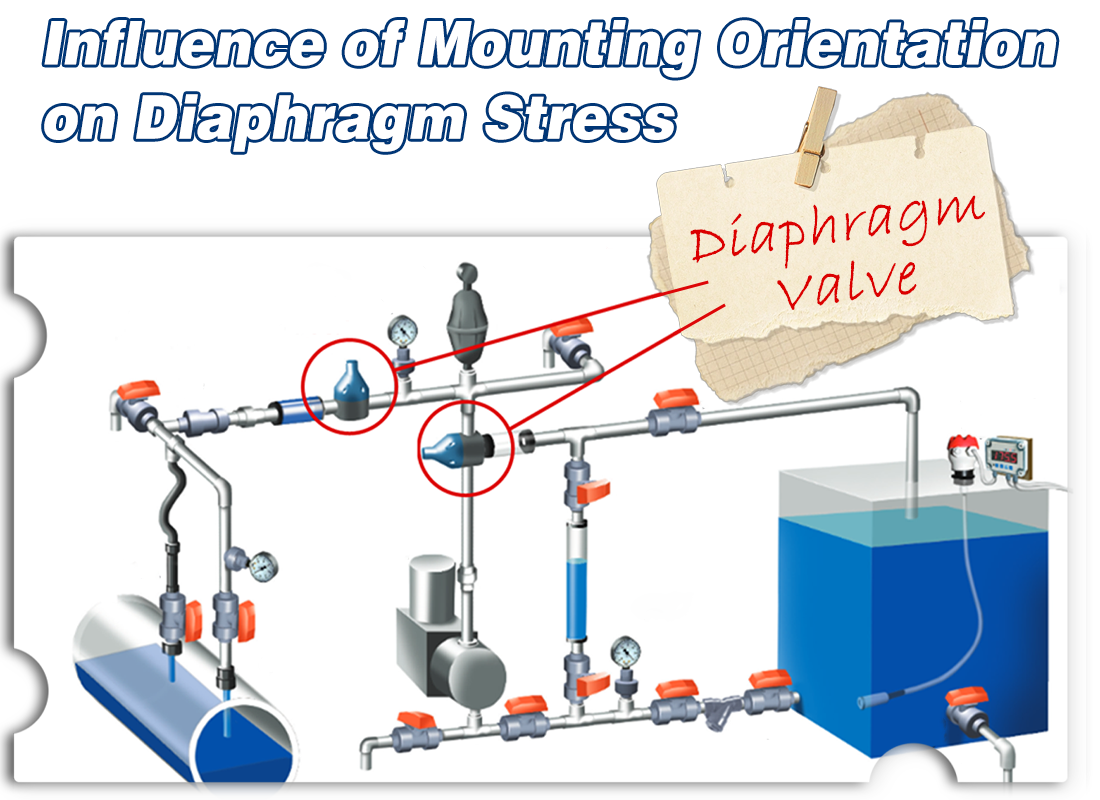
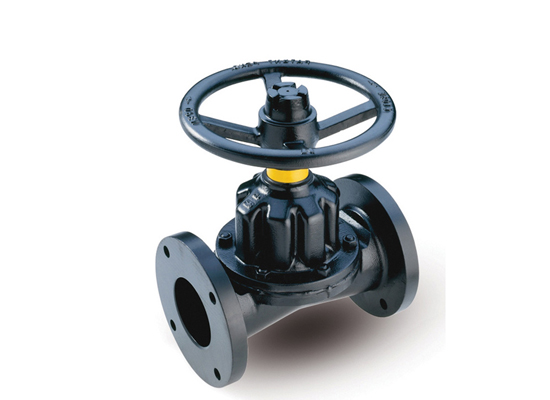
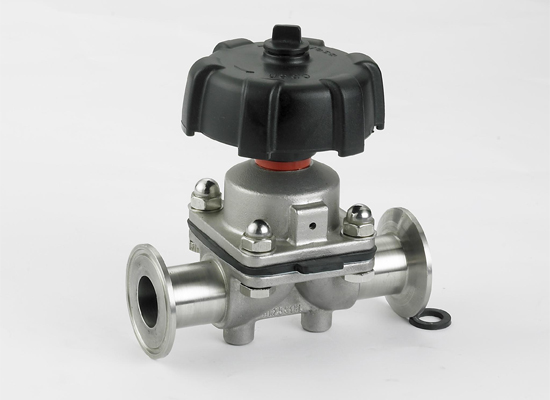
In many projects, engineers focus on size and material of a diaphragm valve, while the mounting orientation is often underestimated. The sealing of the valve relies completely on elastic diaphragm deformation. When the valve is installed in different directions, gravity of the medium, pipeline stress and actuator load change the long-term force pattern, which may accelerate diaphragm fatigue.
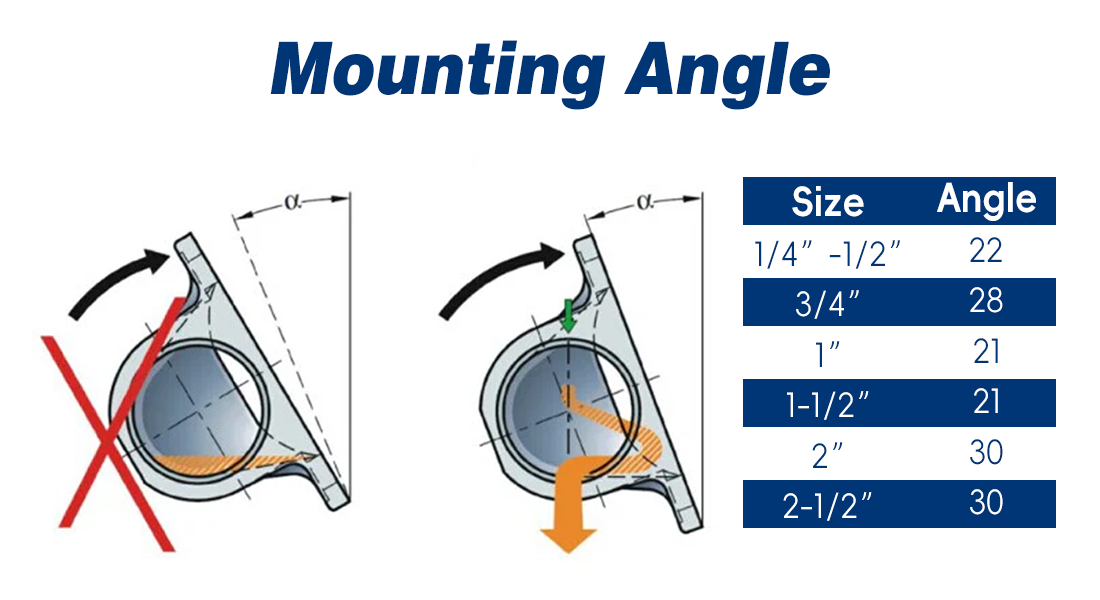
Whether it is a pneumatic diaphragm valve or an electric type, the diaphragm performs both isolation and regulation. Ideally the force should be symmetrical. In vertical or inverted installation, medium weight continuously presses one side of the diaphragm, creating eccentric load.
This does not cause immediate leakage, but makes the same area bend repeatedly. Field feedback from sanitary diaphragm valve applications shows service life can drop dramatically under such condition.
Valves are frequently mounted near elbows or pumps. Thermal expansion of pipes transfers axial force to the body of diaphragm control valve, altering the contact between diaphragm and seat.
If the valve is inclined, the weight of the diaphragm valve actuator becomes an additional tensile load, especially critical for PTFE materials.
| Mounting orientation | Main stress point | Possible consequence | Typical application |
|---|---|---|---|
| Horizontal | Even distribution | Longest diaphragm life | General process lines |
| Vertical, actuator up | Edge compression | Uneven wear | Limited space layout |
| Vertical, actuator down | Center tensile load | Fatigue cracking | Not recommended |
| Inclined | Combined stress | Sealing instability | Temporary installation |
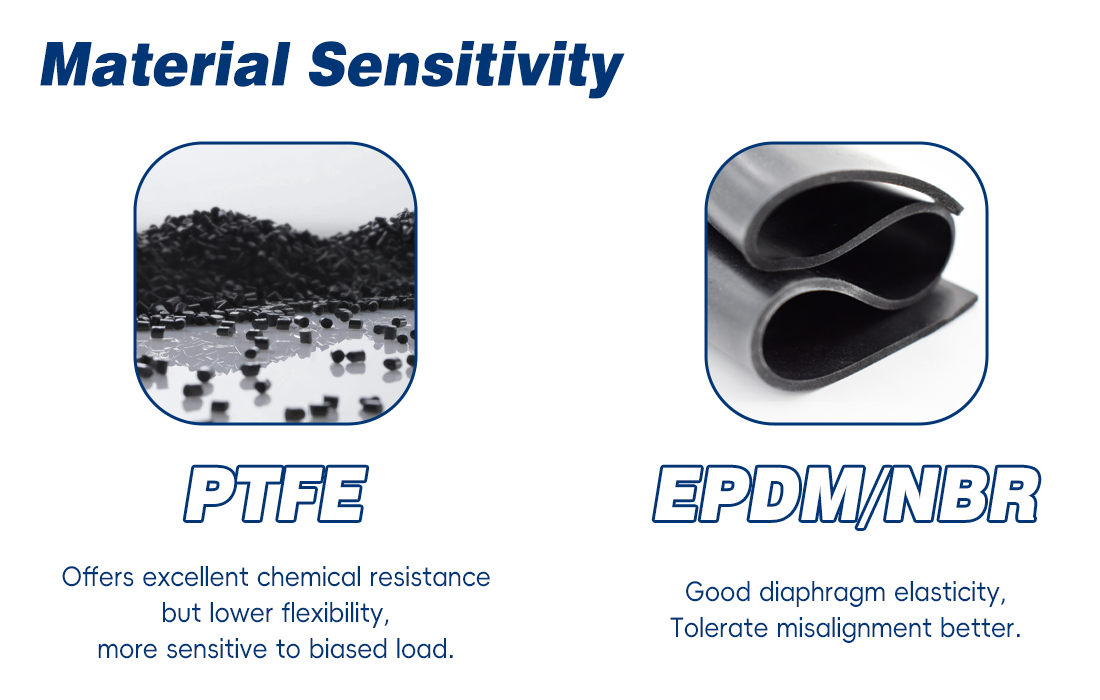
PTFE diaphragm valve offers excellent chemical resistance but lower flexibility, therefore more sensitive to biased load. Rubber diaphragms tolerate misalignment better.
For 316L stainless steel diaphragm valve used in pharmaceutical plants, any micro-damage caused by wrong orientation may affect sterile reliability.
In an automated diaphragm valve loop, poor orientation increases compensation demand of the positioner. The pneumatic actuator diaphragm valve consumes more air and control accuracy of diaphragm valve flow control becomes unstable.
◆ Prefer horizontal installation whenever possible
◆ Follow diaphragm valve mounting orientation instructions from manufacturer
◆ Provide pipe supports to avoid external force
◆ Select suitable material for high temperature diaphragm valve or chemical duty
The performance of a diaphragm regulating valve is not only determined by design but also by installation. Understanding how orientation affects stress helps users of industrial diaphragm valve avoid premature failure and maintain reliable fluid isolation in critical processes.
(FK9025)
You May Interest In



Get a free sample

FOKCA ©1998-2025 All Rights Reserved Sitemap