- sales@fokca.com info@fokca.com
- WhatsApp: +86 150 5749 1870

Custom Cylinders & System Solutions Manufacturer | Est. 1998
Custom Cylinders & System Solutions Manufacturer | Est. 1998

Feb 20, 2026
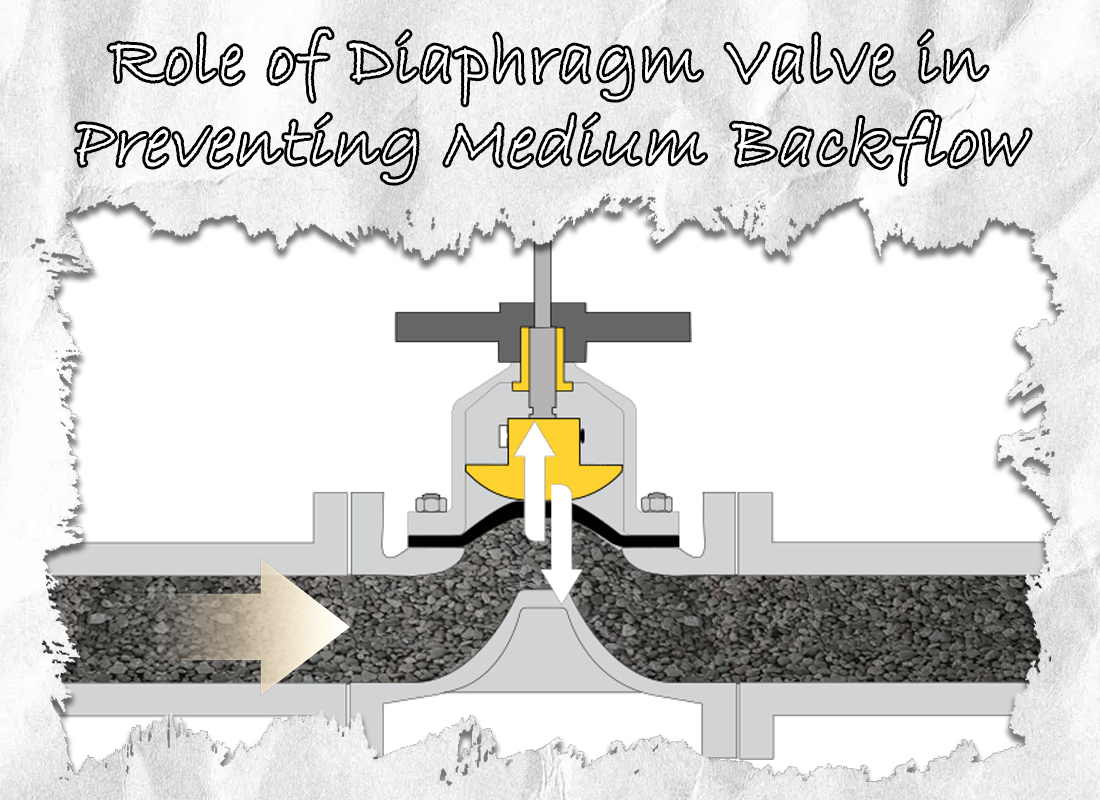
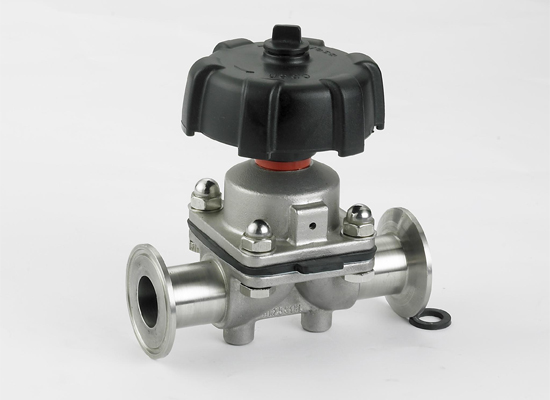
Backflow in industrial pipelines is often more concealed than external leakage, yet the consequences can be more destructive. When reverse flow occurs in chemical or pharmaceutical systems, different media may mix and cause contamination. In food and water treatment lines, even a small amount of backward movement can damage the hygiene level of the entire process. A diaphragm valve uses a flexible membrane as the only shut-off element, forming a full-bore seal when closed. This structural feature greatly reduces the risk of reverse flow compared with traditional hard-seat valves.
Pressure imbalance is the main trigger. Pump stop, valve switching, or temperature change can make downstream pressure higher than upstream. The fluid will always search for the weakest sealing point. In a cleaning circuit, chemical solution may return to the purified water line if the valve cannot isolate completely. The design of a diaphragm shut-off valve separates the medium from stem and actuator, eliminating dynamic penetration paths and providing a more dependable barrier.
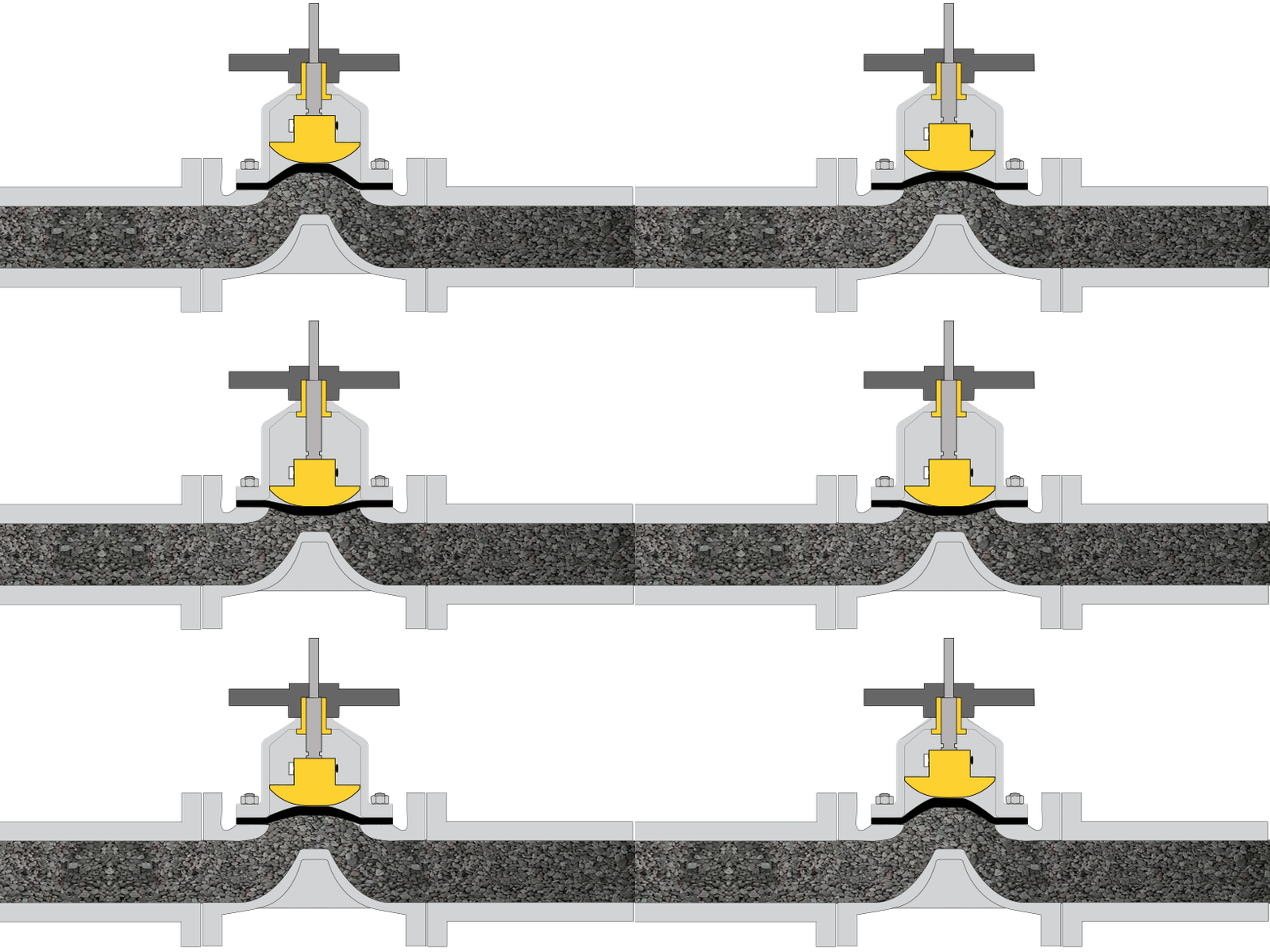
Unlike globe or ball types, the diaphragm does not rely on point or line contact. When the actuator presses the membrane, it deforms along the contour of the body and covers the entire flow passage. Small particles are wrapped by the elastic material instead of scratching a metal seat. This is why sanitary diaphragm valve and diaphragm valve for pharmaceutical applications are widely used where micro backflow is unacceptable.
| Valve type | Sealing form | Sensitivity to particles | Backflow risk |
|---|---|---|---|
| Diaphragm valve | Full surface elastic seal | Low | Very low |
| Globe valve | Line contact | Medium | Medium |
| Ball valve | Circular seat | High | Relatively high |
Material selection directly affects long-term anti-backflow performance. PTFE diaphragm valve offers excellent chemical resistance for aggressive media, while rubber membranes provide better resilience in low-pressure frequent cycling. Aging or swelling will reduce elastic recovery and create a potential reverse path. Combining a 316L stainless steel diaphragm valve body with a proper membrane grade is essential in hygienic industries.
Modern plants usually adopt pneumatic diaphragm valve or automated diaphragm valve for remote control. When power is lost, spring-return actuators drive the valve to the closed position, blocking reverse movement instantly. Integration with diaphragm valve actuator and feedback devices enables reliable isolation in CIP systems and chemical transfer lines.
Installation orientation, vibration and actuator force determine the real sealing condition. Incorrect diaphragm valve mounting orientation may lead to uneven stress on the membrane. In high pressure service, selecting a light-duty diaphragm control valve instead of reinforced design could allow micro leakage under reverse pressure. Proper sizing and maintenance ensure that the diaphragm valve remains one of the most effective solutions against backflow.
◆ Diaphragm valve for chemical processing pipelines
◆ Industrial diaphragm valve in water treatment
◆ Pneumatic valve automation for food and beverage
◆ Diaphragm valve with pneumatic actuator in pharmaceutical production
◆ Air operated diaphragm valve for corrosive media
The mechanism of elastic full-bore sealing makes diaphragm technology uniquely suitable for systems where backflow may cause safety or quality incidents. Understanding this principle helps engineers select the right diaphragm valve flow control solution instead of relying solely on traditional check valves.
(FK9025)
You May Interest In


Get a free sample

FOKCA ©1998-2025 All Rights Reserved Sitemap