- sales@fokca.com info@fokca.com
- WhatsApp: +86 150 5749 1870

Custom Cylinders & System Solutions Manufacturer | Est. 1998
Custom Cylinders & System Solutions Manufacturer | Est. 1998

Apr 01, 2026
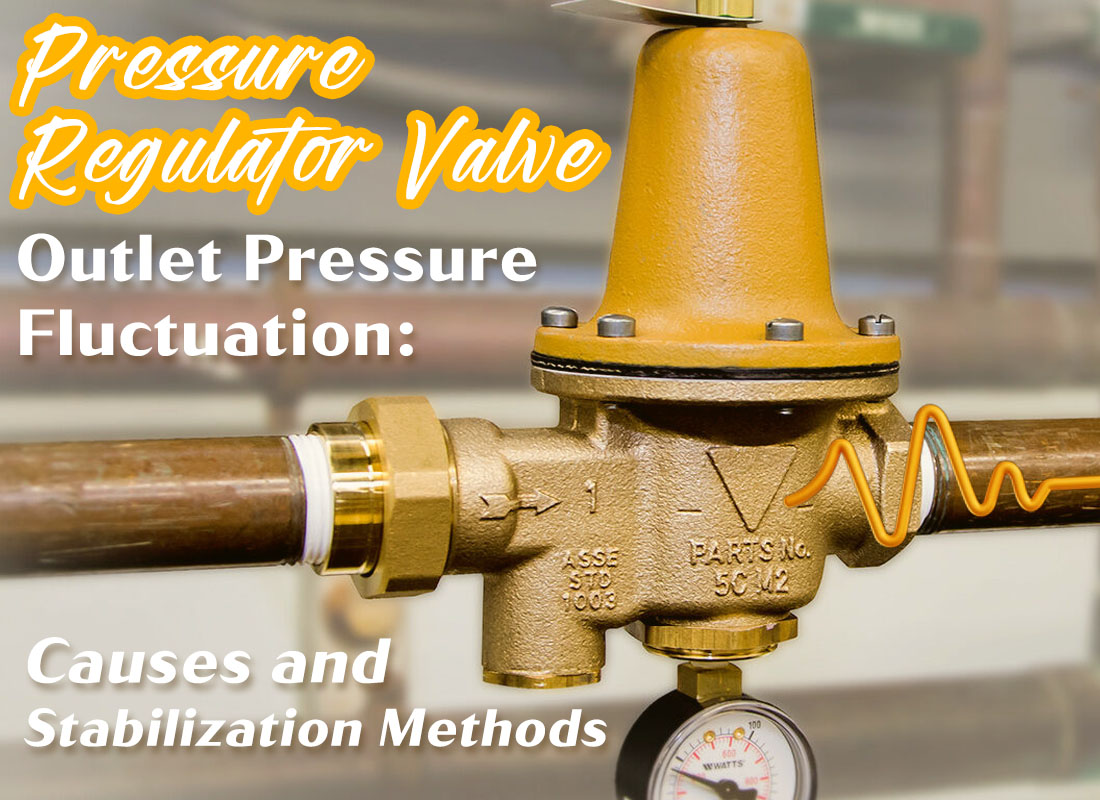
A pressure regulator valve in direct acting design relies on a simple mechanical balance between spring force and downstream pressure. This structure makes it compact and responsive, especially in small systems such as a home water pressure regulator valve or light-duty air pressure regulator valve applications.
Because there is no secondary control stage, the valve reacts immediately to pressure changes. This fast response is beneficial in systems with quick demand variation, but it also introduces limitations when flow or pressure increases significantly.
In low to medium flow conditions, direct acting pressure regulating valves provide reliable and cost-effective performance.
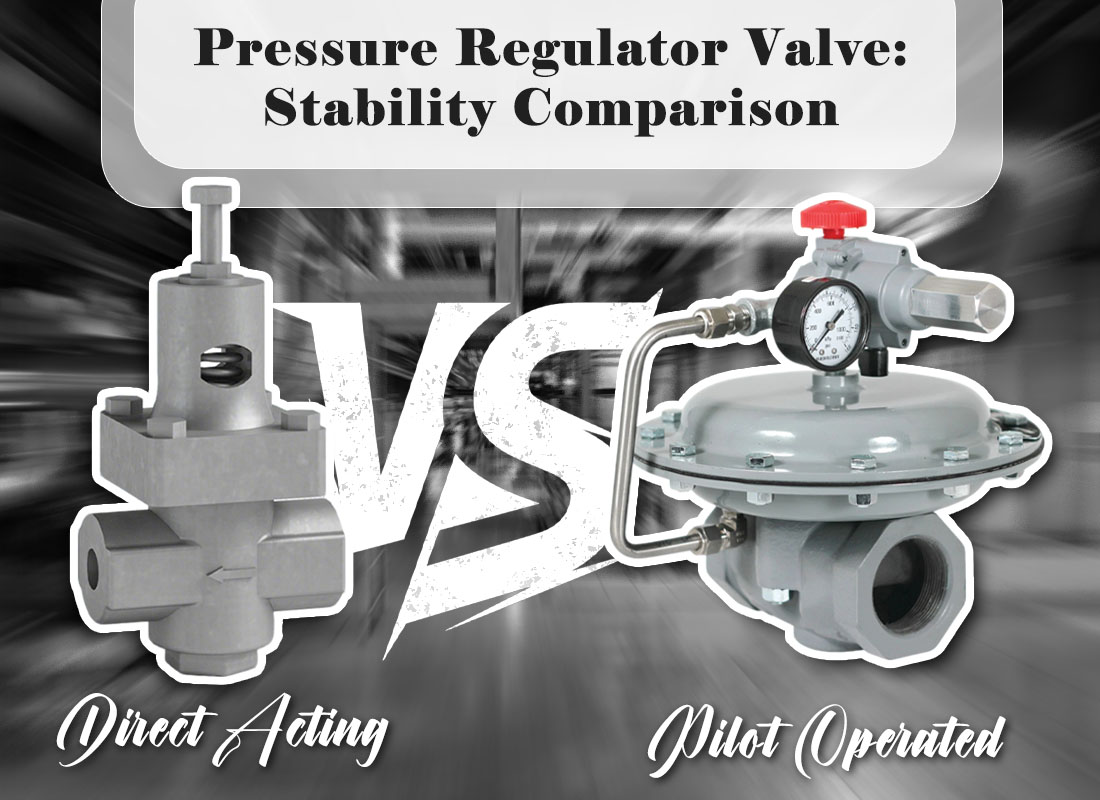
A pilot operated pressure regulating valve uses a two-stage control system. A small pilot valve senses downstream pressure and controls the opening of the main valve.
This design significantly improves control stability, especially in large systems such as gas pressure regulator valve installations or high-capacity water distribution networks.
Because the pilot system amplifies control accuracy, these valves maintain more consistent downstream pressure even when upstream pressure fluctuates or flow demand changes dramatically.
However, the added complexity increases cost and requires more careful maintenance.
The difference in stability becomes more apparent in demanding conditions.
In high-pressure systems, a direct acting pressure valve regulator may struggle to maintain stable output. Small changes in downstream pressure can cause larger-than-expected valve movement, resulting in pressure fluctuation.
In contrast, pilot operated valves maintain smooth control because the pilot stage dampens these fluctuations. This makes them ideal for applications such as steam pressure regulating valve systems or large-scale water pressure regulating valve installations.
For large flow conditions, pilot operated valves also provide better flow capacity without sacrificing stability.
One key engineering trade-off between the two designs is response speed versus stability.
Direct acting valves respond faster because they act directly on pressure changes. This is useful in systems like small air compressor pressure regulator valve setups where quick adjustment is needed.
Pilot operated valves respond slightly slower due to the pilot control stage, but they provide higher stability and smoother pressure curves. In industrial processes, this stability often outweighs the need for speed.
Selecting the right type depends on whether the system prioritizes responsiveness or consistency.
| Parameter | Direct Acting Pressure Regulator Valve | Pilot Operated Pressure Regulating Valve |
|---|---|---|
| Structure | Simple, single-stage | Two-stage with pilot control |
| Stability | Moderate | High |
| Response Speed | Fast | Medium |
| Flow Capacity | Limited | High |
| Pressure Range | Low to medium | Medium to high |
| Maintenance | Low | Moderate |
| Typical Application | Home water pressure regulator valve | Industrial water/gas systems |
Direct acting valves are widely used because of their simple structure and lower cost. In residential systems or small equipment, such as a pressure regulator valve for water, they are easy to install and maintain.
However, when system demand increases, their limitations become clear. Pressure fluctuations, limited Cv capacity, and sensitivity to upstream changes can affect performance.
Pilot operated valves, while more complex, provide superior pressure control in dynamic systems. They are commonly used in industrial environments where stability is critical, such as chemical processing, steam systems, or large compressed air networks.
Choosing between the two valve types depends on system conditions.
For small systems with relatively stable demand, a direct acting valve is usually sufficient. In contrast, systems with high flow rates, high pressure, or frequent load variation benefit from pilot operated designs.
In many real-world installations, engineers combine both types—using a pilot operated valve for main pressure control and smaller direct acting valves for localized regulation.
◆ Use direct acting valves for low flow and compact systems
◆ Select pilot operated valves for high flow or high pressure applications
◆ Prioritize stability in industrial processes
◆ Consider lifecycle cost, not just initial price
◆ Match valve type with system dynamics, not only specifications
(FK9025)
You May Interest In




Get a free sample

FOKCA ©1998-2025 All Rights Reserved Sitemap