- sales@fokca.com info@fokca.com
- WhatsApp: +86 150 5749 1870

Custom Cylinders & System Solutions Manufacturer | Est. 1998
Custom Cylinders & System Solutions Manufacturer | Est. 1998

Mar 30, 2026
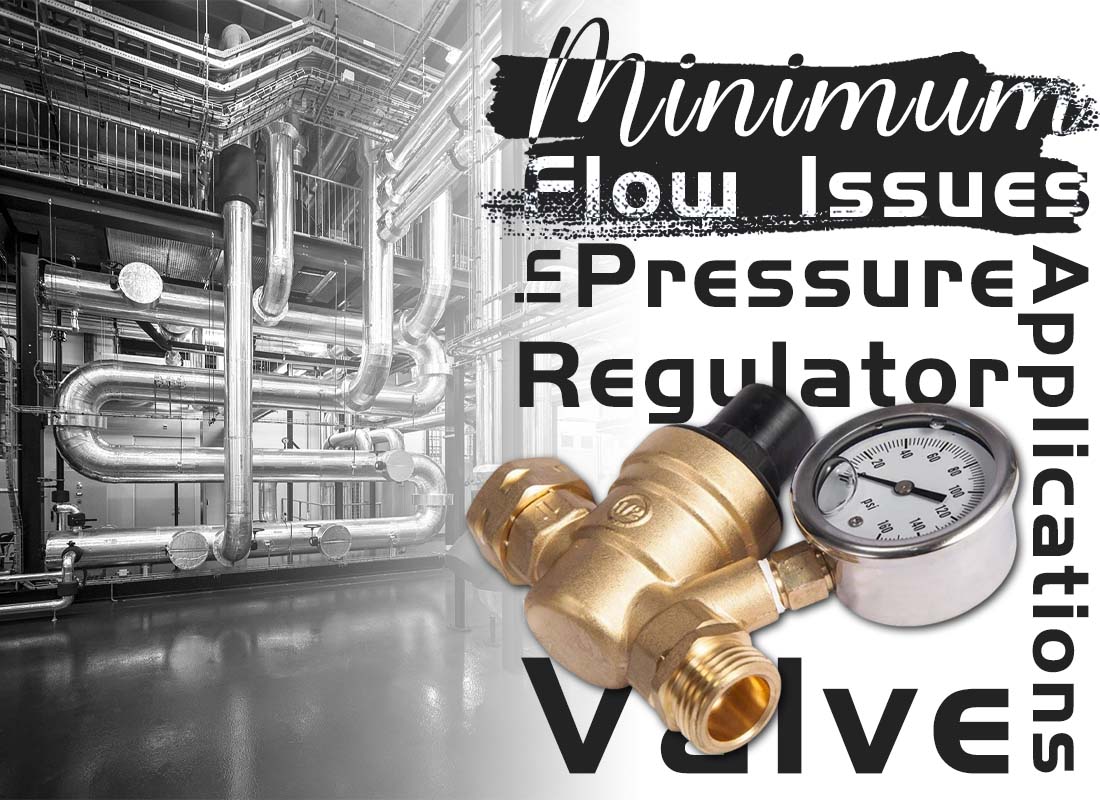
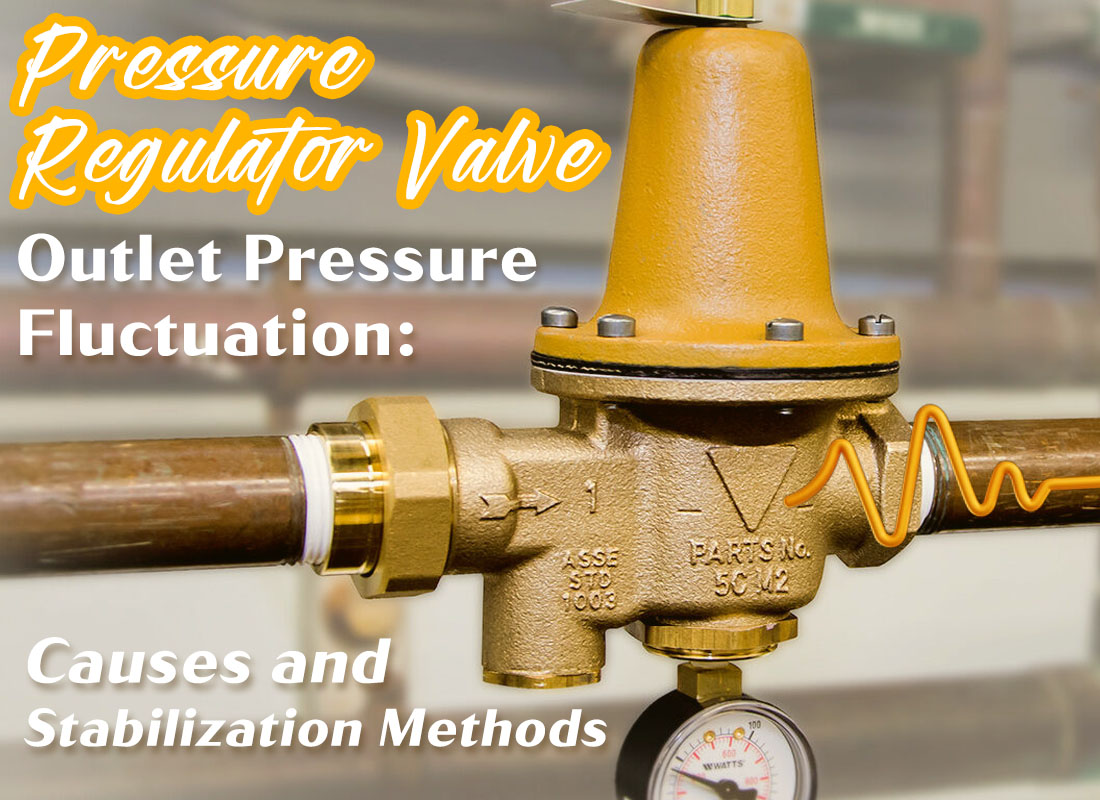
In practical systems, a pressure regulator valve is often selected based on maximum flow demand. However, many engineers overlook another critical parameter: minimum flow.
When flow drops below a certain threshold, a pressure regulating valve may become unstable. This is especially common in water pressure regulator valve and air pressure regulator valve applications where demand fluctuates frequently.
At low flow conditions, the valve operates near its closed position, where small changes in flow or pressure can cause disproportionate movement. This leads to oscillation, noise, and inconsistent downstream pressure.
The instability at low flow is closely related to how a pressure valve regulator controls pressure. The valve relies on a balance between spring force and downstream pressure feedback.
When flow is sufficient, the system remains stable because pressure changes are gradual. However, at very low flow, even a slight opening can cause a rapid pressure rise, forcing the valve to close again.
This repeated opening and closing creates a phenomenon similar to “hunting,” often observed in home water pressure regulator valve systems during low consumption periods such as nighttime operation.
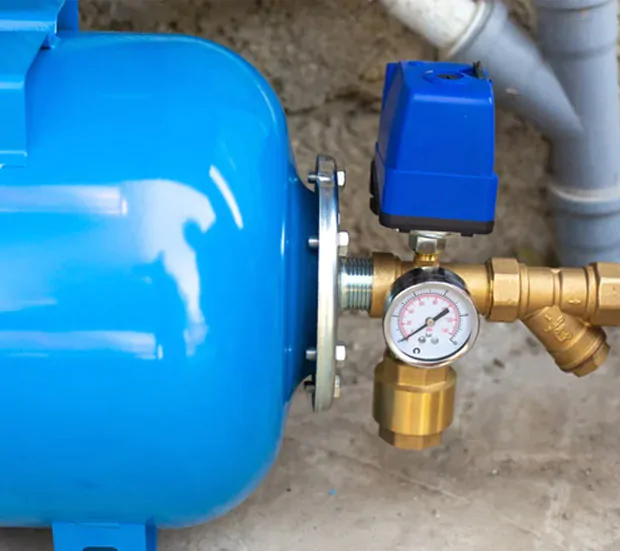
Minimum flow issues often appear as subtle system behavior rather than obvious failure.
In a pressure regulator valve for water, users may notice pressure fluctuations at low demand points. In compressed air systems, an air compressor pressure regulator valve may produce pulsating output or unstable actuator motion.
The following table summarizes typical symptoms and causes (data source type: field maintenance reports and engineering case studies):
| Symptom | Operating Condition | Possible Cause | System Impact |
|---|---|---|---|
| Pressure oscillation | Low flow demand | Valve over-sizing | Unstable pressure control |
| Noise or vibration | Near closed position | Flow turbulence | Reduced valve lifespan |
| Intermittent flow | Small consumption | Poor sensitivity | Inconsistent operation |
| Frequent valve movement | Minimal load | Control instability | Increased wear |
One of the most common causes of minimum flow instability is oversized valve selection.
For example, installing a 1 inch pressure regulator valve in a system that primarily operates at low flow can result in poor control accuracy. The valve becomes too sensitive, reacting aggressively to minor pressure changes.
Additionally, some gas pressure regulator valve designs are optimized for medium-to-high flow ranges, making them less suitable for applications with frequent low-flow conditions.
This mismatch between valve characteristics and system demand is a key reason why instability occurs.
A widely used engineering solution is the bypass design.
By installing a small parallel line with a secondary valve, a portion of the flow is always maintained. This ensures the main pressure regulating valve operates within a stable range rather than near complete closure.
In water systems, a bypass can maintain a minimum continuous flow, reducing pressure fluctuations and improving system responsiveness.
This approach is particularly effective in large systems where demand varies significantly throughout the day.
Another effective solution is selecting valves specifically designed for low flow conditions.
A low flow pressure regulator valve or pilot-operated valve offers better sensitivity and stability at small flow rates. These valves can maintain precise control even when flow demand is minimal.
For example, in a water pressure regulating valve used for laboratory or precision equipment, pilot-operated designs are often preferred due to their superior low-flow performance.
In real applications, minimum flow should be considered alongside maximum flow during valve sizing.
Engineers should evaluate the flow range, not just peak demand. If the system frequently operates below 20–30% of maximum flow, special attention is required.
Combining proper sizing with design measures such as bypass lines or staged regulation can significantly improve system stability.
For engineers, distributors, and end users working with pressure regulator systems:
◆ Avoid oversizing valves based only on peak flow
◆ Evaluate both minimum and maximum flow conditions
◆ Consider bypass design in variable-demand systems
◆ Use low-flow or pilot-operated valves when necessary
◆ Monitor system behavior during low demand periods
(FK9025)
You May Interest In







Get a free sample

FOKCA ©1998-2025 All Rights Reserved Sitemap