- sales@fokca.com info@fokca.com
- WhatsApp: +86 150 5749 1870

Custom Cylinders & System Solutions Manufacturer | Est. 1998
Custom Cylinders & System Solutions Manufacturer | Est. 1998

Feb 28, 2026
High-viscosity fluids significantly increase internal flow resistance within valves. As viscosity rises, shear stress and pressure loss grow proportionally, especially in multi-turn or angle-type valve designs.
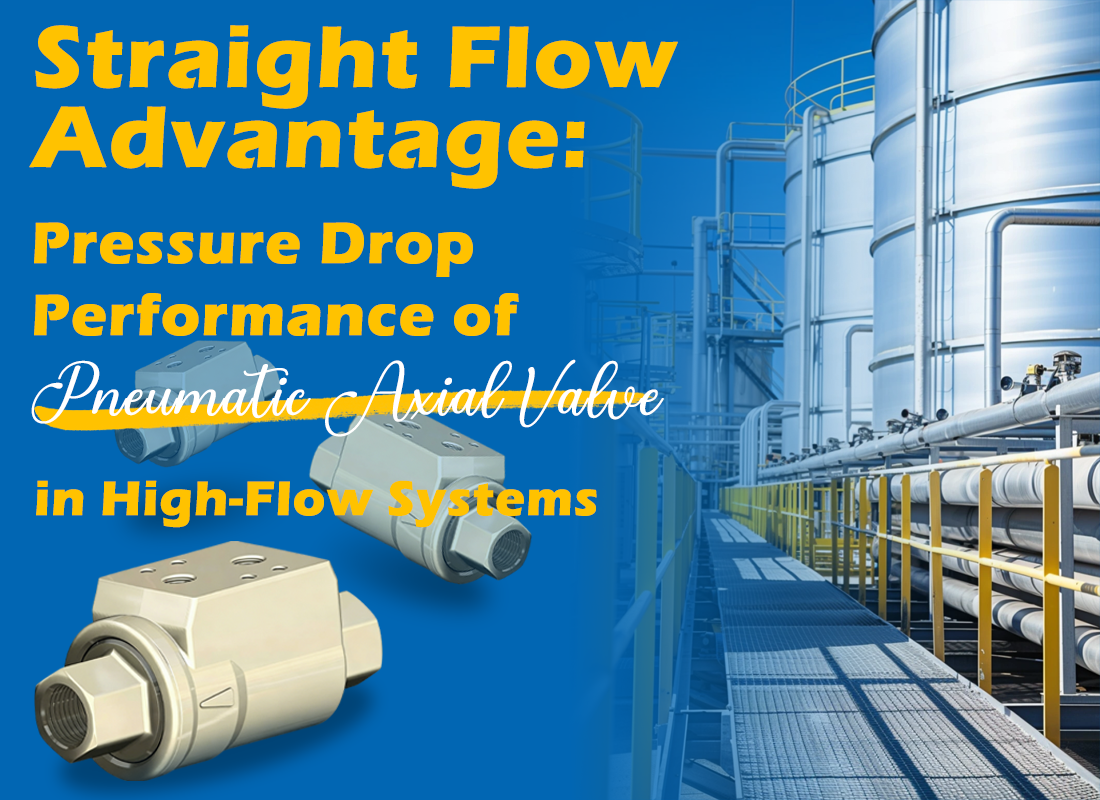
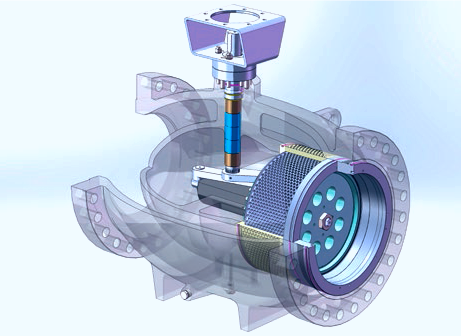
A pneumatic axial valve offers structural advantages under these conditions due to its straight-through flow path and axial force alignment.
In conventional valves, abrupt directional changes amplify energy loss when handling viscous fluids. The additional turbulence and stagnant zones increase resistance, requiring higher actuation force and creating unstable response during opening and closing.
In contrast, an axial flow valve minimizes flow deviation. Because the internal geometry reduces shear accumulation, the axial valve flow characteristic remains more predictable even when fluid viscosity exceeds 200–500 cP.
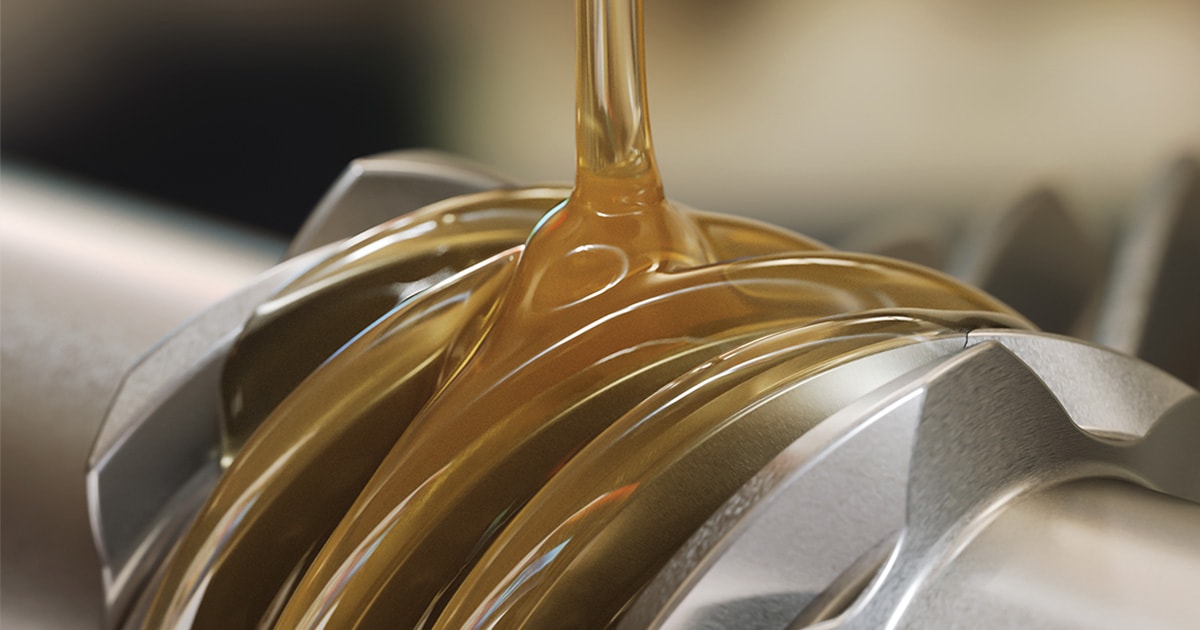
This advantage becomes critical in axial valve for chemical process and axial valve for oil & gas applications involving polymers, lubricants, or heavy hydrocarbons.
| Parameter | Traditional Multi-Turn Valve | Pneumatic Axial Valve |
|---|---|---|
| Flow Direction Changes | Multiple (45°–90°) | Minimal (0°–15°) |
| Additional Pressure Loss (Viscosity >300 cP) | +20–35% | +8–15% |
| Required Actuation Force Increase | +25–40% | +10–18% |
| Response Stability | Moderate | High |
| Dead Zone Accumulation Risk | Higher | Lower |
| Axial Valve Torque Requirement Variation | ±25% | ±10% |
| Seal Surface Load Type | Radial + Shear | Axial Compression |
Because viscous media increase mechanical resistance, actuator performance becomes a key factor. A pneumatic axial control valve or direct acting axial valve benefits from lower torque fluctuation due to axial force distribution.
Reduced axial valve torque requirement variation directly improves the reliability of the pneumatic axial valve actuator, especially in automated axial valve control system applications.
For engineers following a pneumatic axial valve selection guide, viscosity, flow rate, and pressure drop must be evaluated together. Proper sizing using a pneumatic axial valve sizing chart ensures smooth operation even in demanding fluid control systems.
Compared in an axial valve vs traditional valve scenario, axial designs consistently demonstrate improved opening stability and reduced maintenance frequency when handling thick media.
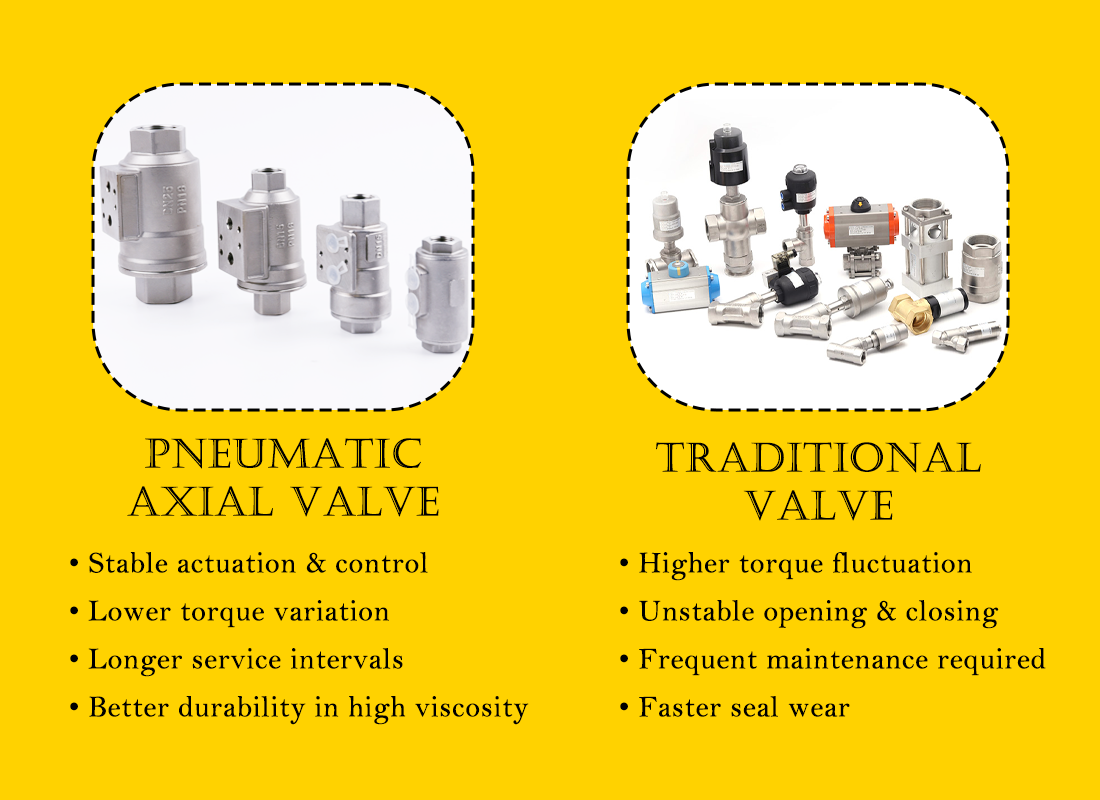
In high-viscosity applications, increased internal resistance can accelerate wear, amplify torque fluctuation, and reduce control stability over time. The straight-through structure of a pneumatic axial valve minimizes directional flow changes and limits shear concentration inside the valve body, reducing dead zones and media accumulation.
Because hydraulic forces act primarily along the axial direction, sealing surfaces remain evenly compressed during opening and closing. This structural balance stabilizes the axial valve torque requirement, improves actuator consistency, and lowers long-term maintenance frequency.
When evaluated in an axial valve performance comparison, axial designs demonstrate stronger adaptability in demanding fluid control systems such as heavy oil processing, polymer transfer, and chemical manufacturing, where traditional multi-turn valves often experience unstable operation and accelerated degradation.
(FK9025)
You May Interest In
Apr 29, 2025 Blog
A Guide To Master Pneumatic Axial Valves


Get a free sample

FOKCA ©1998-2025 All Rights Reserved Sitemap