- sales@fokca.com info@fokca.com
- WhatsApp: +86 150 5749 1870

Custom Cylinders & System Solutions Manufacturer | Est. 1998
Custom Cylinders & System Solutions Manufacturer | Est. 1998

Feb 26, 2026
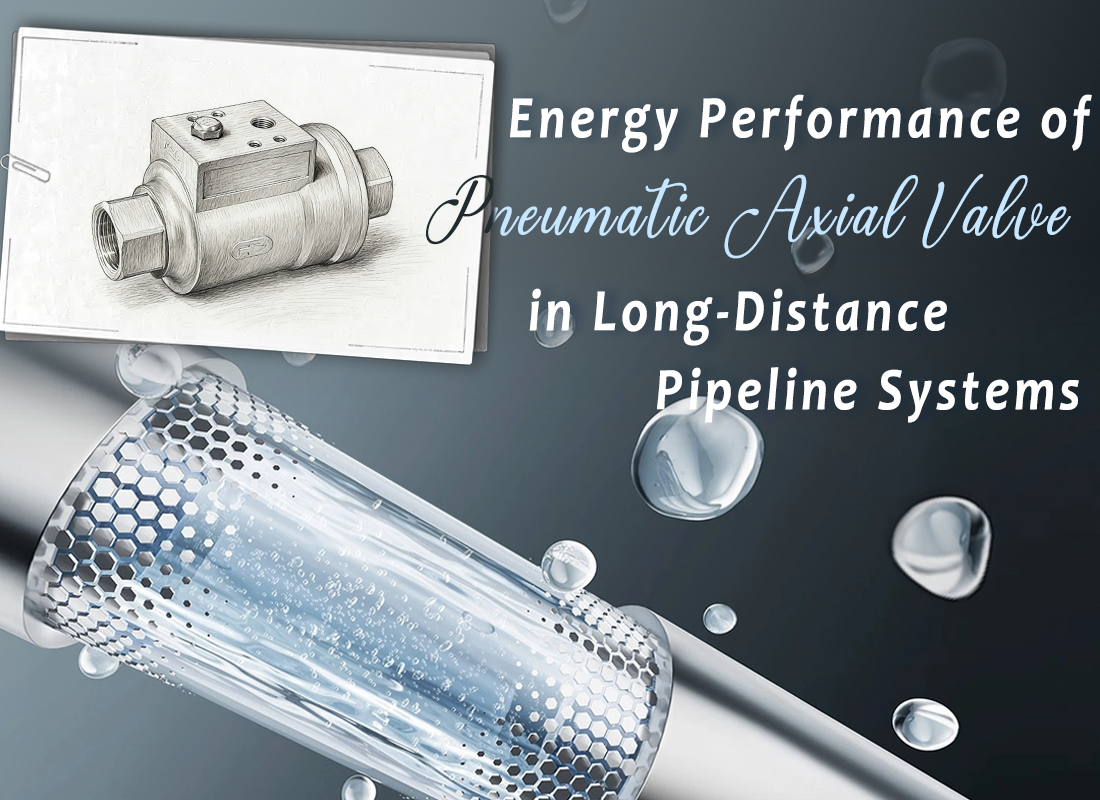
In long-distance transport systems, pressure loss accumulates along the pipeline. While friction loss in pipes is expected, localized resistance from valves can significantly increase total system energy consumption.
A pneumatic axial valve is designed with a straight coaxial flow path, minimizing internal resistance. This structural advantage becomes particularly valuable in extended pipelines.
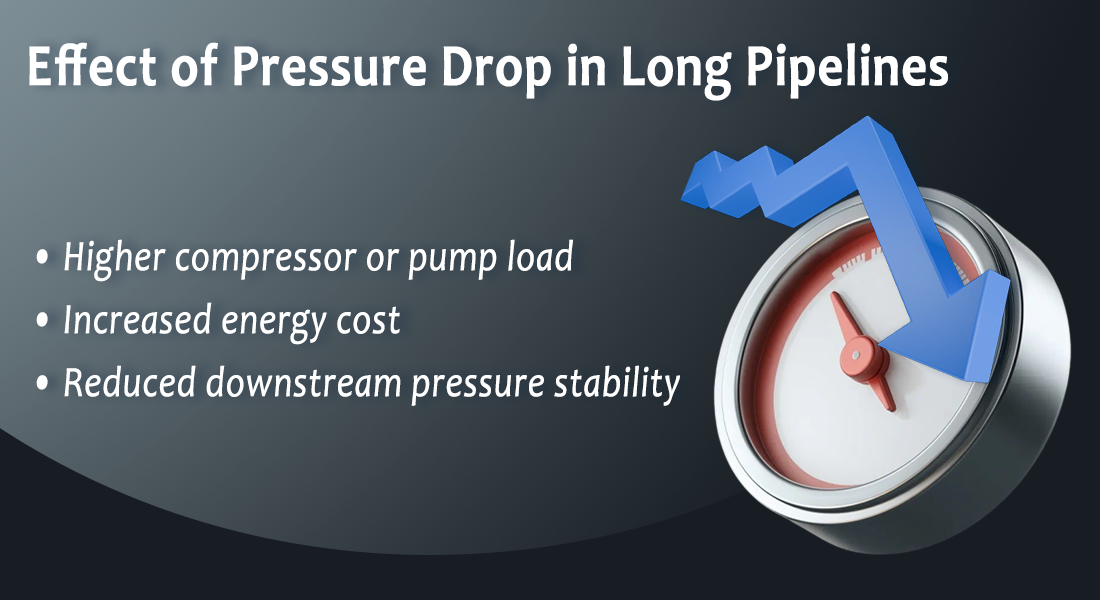
When fluid flows through a conventional valve, sudden changes in direction create turbulence and energy dissipation. Over long operating hours, this translates into:
◆ Higher compressor or pump load
◆ Increased energy cost
◆ Reduced downstream pressure stability
An axial valve performance comparison often reveals lower pressure drop values under identical flow conditions.
An axial pneumatic valve allows media to pass directly through the centerline. Unlike traditional multi-turn structures, this axial flow pneumatic valve maintains streamlined movement.
Key benefits include:
◆ Lower localized resistance
◆ Reduced turbulence
◆ Improved flow efficiency
◆ Stable downstream pressure
This makes it ideal as an axial valve for fluid control systems in long-distance water transport, oil & gas, and industrial compressed air networks.
Below is a structural comparison under long-distance operation conditions:
| Parameter | Traditional Valve | Pneumatic Axial Valve |
|---|---|---|
| Flow Path | Multi-directional | Straight axial |
| Local Resistance Coefficient | Higher | Lower |
| Pressure Drop (High Flow) | Significant | Reduced |
| Actuator Load | Moderate to High | Lower |
| Long-Term Energy Consumption | Higher | Optimized |
Because of its streamlined geometry, the pneumatic axial control valve reduces cumulative pressure loss. In high-demand environments such as axial valve for oil & gas or axial valve for water treatment, this translates directly into measurable operational savings.
Modern systems integrate valves into complete automation loops. Configurations such as:
◆ Pneumatic axial valve actuator
◆ Pneumatic axial valve with positioner
◆ Pilot operated axial valve
◆ Direct acting axial valve
enable accurate regulation while maintaining low energy impact.
For engineers following a pneumatic axial valve selection guide, long-distance flow rate and allowable pressure drop should be primary design parameters. Proper sizing using a pneumatic axial valve sizing chart ensures optimal efficiency.
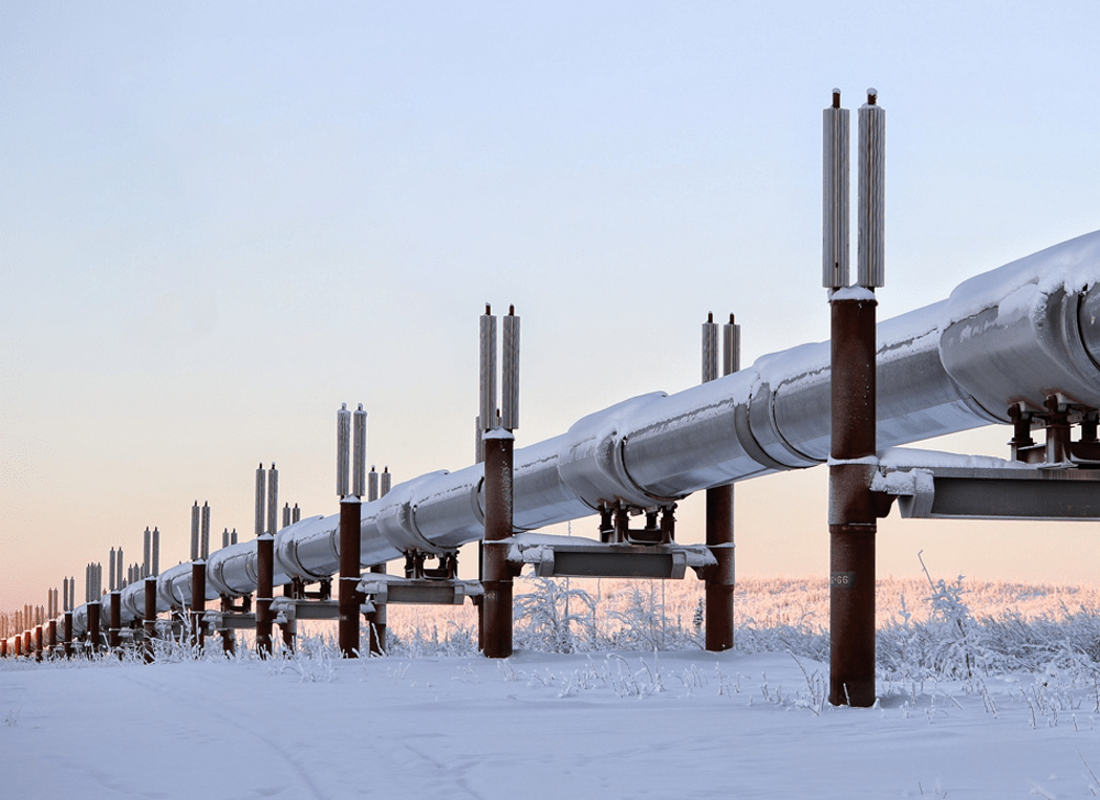
Industries benefiting most include:
◆ Long-distance water transfer
◆ Oil & gas transmission
◆ Industrial compressed air networks
◆ Chemical circulation systems
In these scenarios, recognized pneumatic axial valve advantages include not only lower pressure drop but also improved system lifespan and reduced maintenance frequency.
In long pipeline systems, even small differences in valve resistance accumulate into significant energy costs over time. By adopting a straight-through structure, the pneumatic axial valve minimizes localized pressure loss and reduces overall system energy consumption.
For distributors, engineers, and procurement teams evaluating lifecycle cost rather than just initial purchase price, axial valve technology provides a structurally efficient solution for long-term operational stability and energy savings.
(FK9025)
You May Interest In
Apr 29, 2025 Blog
A Guide To Master Pneumatic Axial Valves




Get a free sample

FOKCA ©1998-2025 All Rights Reserved Sitemap