- sales@fokca.com info@fokca.com
- WhatsApp: +86 150 5749 1870

Custom Cylinders & System Solutions Manufacturer | Est. 1998
Custom Cylinders & System Solutions Manufacturer | Est. 1998

Feb 27, 2026
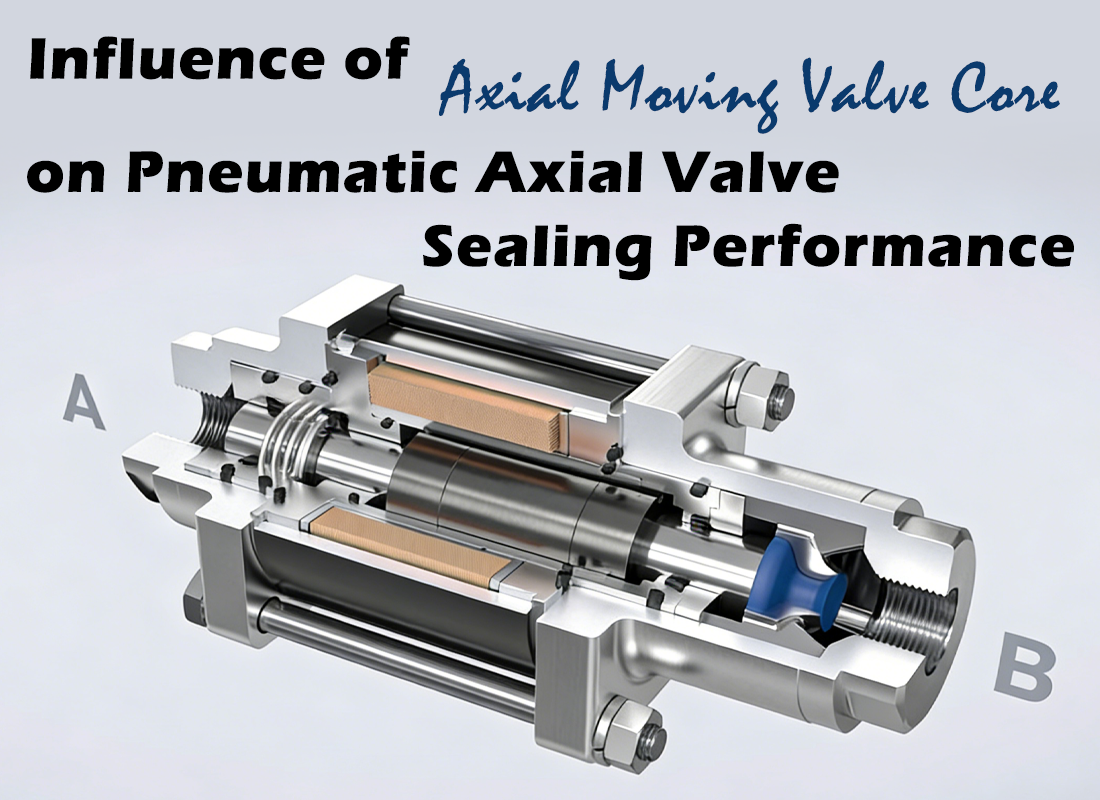
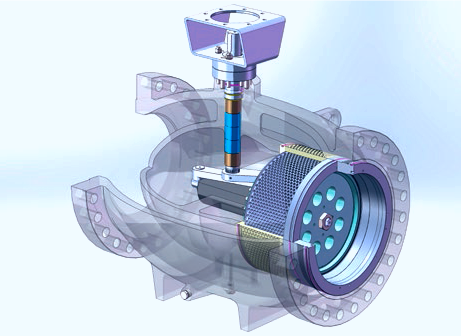
The sealing mechanism of a valve determines its reliability and maintenance interval. Unlike rotary valves, a pneumatic axial valve features a valve core that moves linearly along the pipeline axis. This structural distinction significantly affects sealing surface wear and overall service life.
Rotary valves rely on circular motion to open and close, which creates continuous tangential friction between sealing surfaces. Over time, this shear force accelerates wear and reduces sealing integrity.
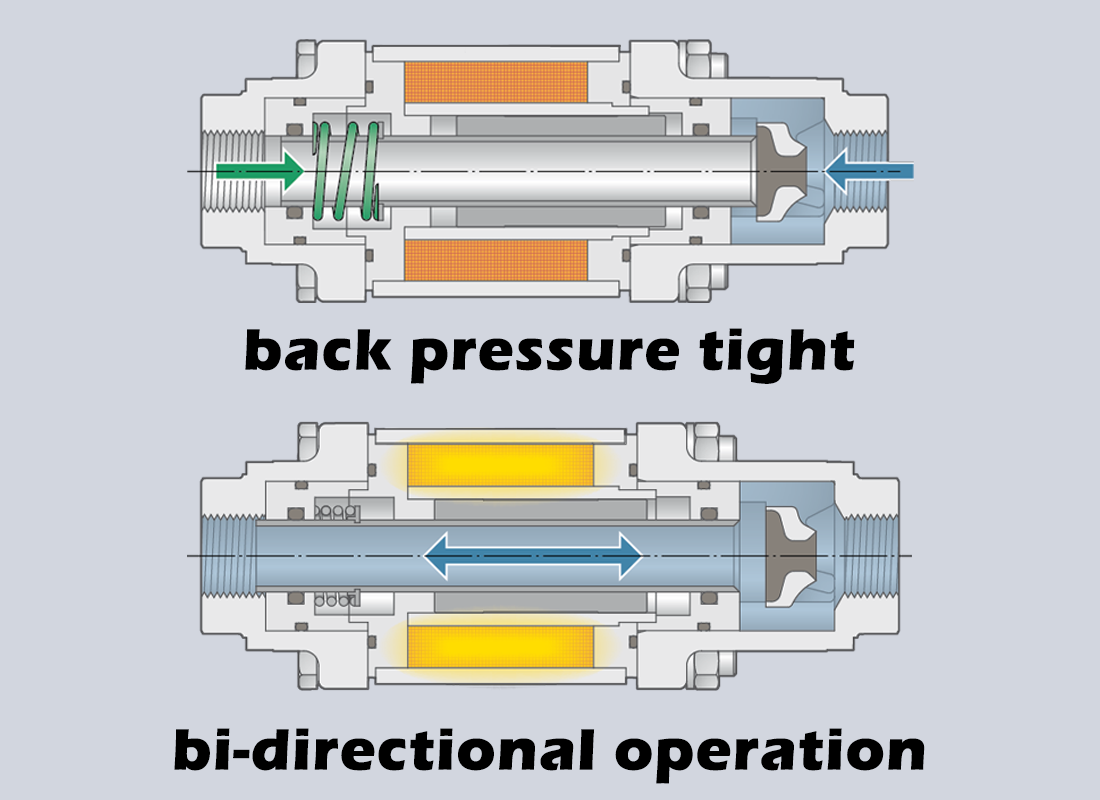
In contrast, an axial flow pneumatic valve uses axial displacement. The sealing surfaces primarily experience compressive force rather than shear stress. This change in force direction reduces sliding distance and mechanical abrasion.
Below is a structural comparison of sealing behavior:
| Parameter | Rotary Valve | Pneumatic Axial Valve |
|---|---|---|
| Valve Core Motion | Rotational | Linear axial movement |
| Sealing Surface Stress | Shear + Compression | Mainly Compression |
| Friction Path | Circular sliding | Minimal sliding |
| Wear Rate | Higher | Reduced |
| Expected Seal Life | Moderate | Extended |
Because the axial type valve minimizes shear interaction, seal degradation occurs at a slower rate. This advantage becomes critical in systems requiring frequent operation or continuous pressure retention.
Modern installations often integrate valves into a full axial valve control system. Whether using a direct acting axial valve or pilot operated axial valve, predictable sealing behavior improves control accuracy.
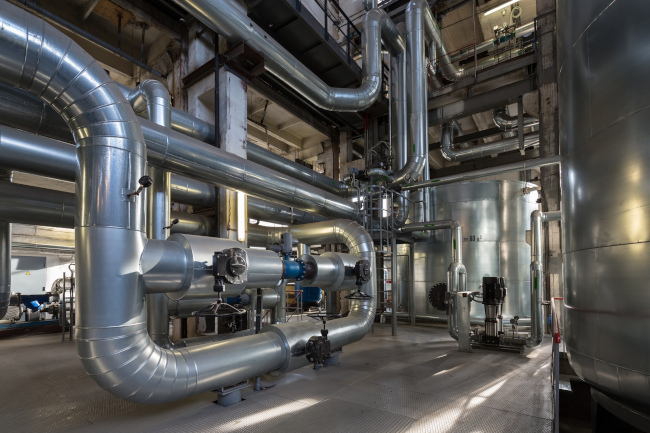
For demanding industries such as axial valve for water treatment, axial valve for industrial automation, and high-pressure gas transport, durability is not merely a maintenance concern—it directly affects safety and operational continuity.
A properly selected unit following a pneumatic axial valve selection guide and correct sizing via a pneumatic axial valve sizing chart ensures optimal performance throughout its lifecycle.
Reduced shear wear also simplifies maintenance planning. Compared to conventional designs, the compact pneumatic axial valve generally requires fewer seal replacements over time. This lowers downtime and improves lifecycle cost efficiency.
From a distributor or procurement perspective, the recognized pneumatic axial valve advantages extend beyond pressure drop and flow stability—they include longer sealing life and reduced total cost of ownership.
The axial moving valve core fundamentally changes the stress distribution on sealing surfaces. By minimizing shear wear and relying primarily on compressive sealing force, the pneumatic axial valve achieves longer service life and improved reliability.
For engineers and system designers seeking durable, high-performance solutions in demanding applications, axial motion technology provides a structurally superior alternative to traditional rotary valve designs.
(FK9025)
You May Interest In
Apr 29, 2025 Blog
A Guide To Master Pneumatic Axial Valves
Feb 13, 2026 Blog
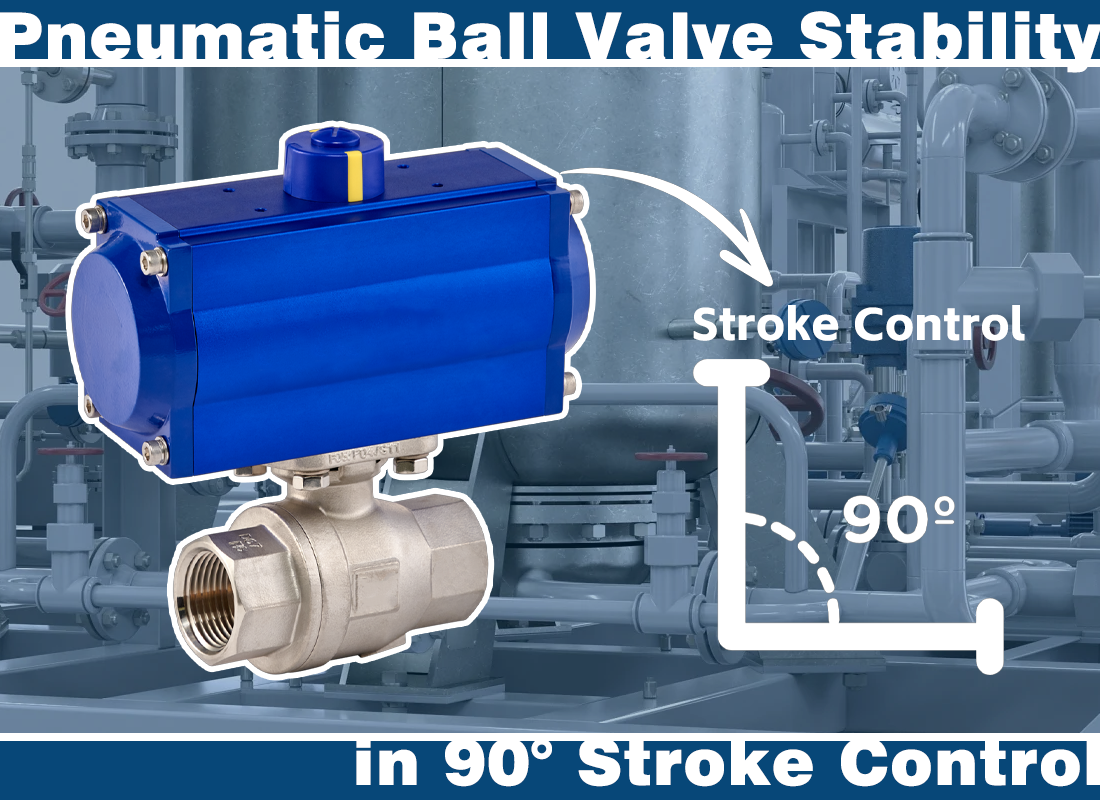
Pneumatic Ball Valve Stability in 90° Stroke Control


Get a free sample

FOKCA ©1998-2025 All Rights Reserved Sitemap