- sales@fokca.com info@fokca.com
- WhatsApp: +86 150 5749 1870

Custom Cylinders & System Solutions Manufacturer | Est. 1998
Custom Cylinders & System Solutions Manufacturer | Est. 1998

Feb 28, 2026
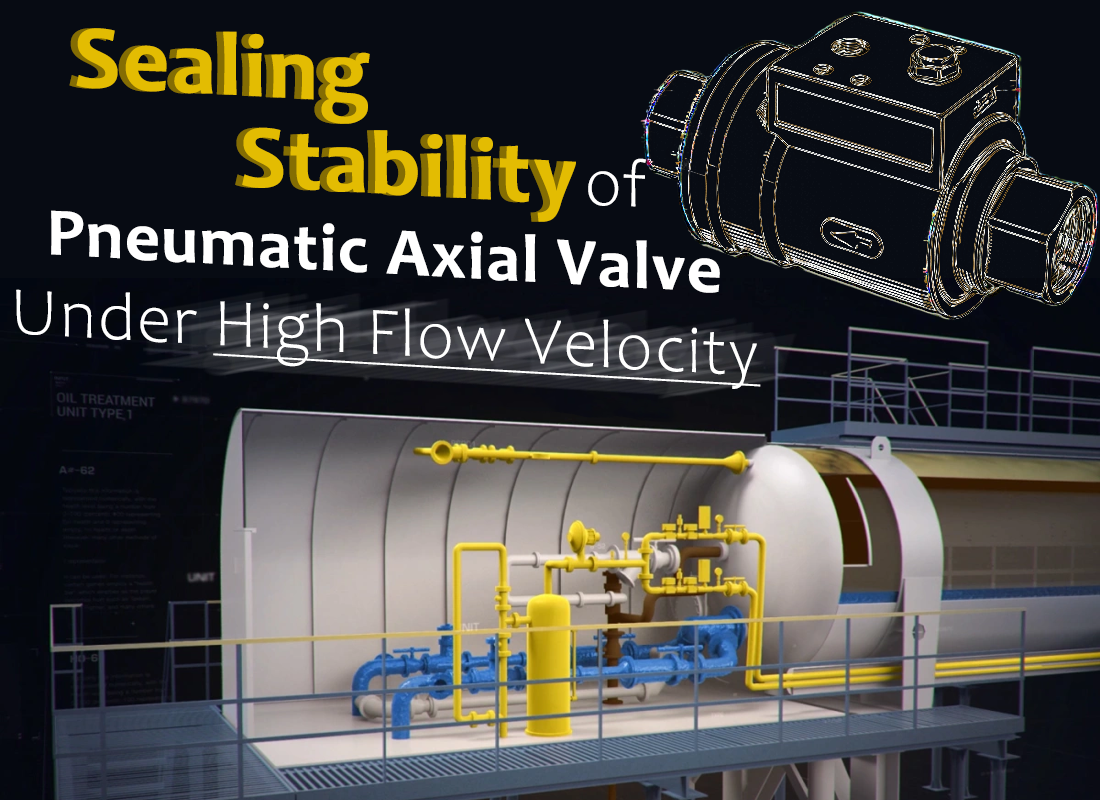
High flow velocity creates dynamic challenges for sealing systems. As velocity increases, kinetic energy and pressure fluctuation intensify, directly impacting the valve seat. Uneven pressure distribution can lead to localized wear, seal deformation, and long-term leakage risks.
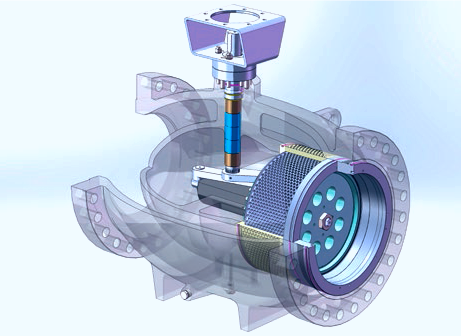
A pneumatic axial valve addresses these issues through its axial force-balanced structure.
In conventional designs, sudden changes in flow direction create turbulence and radial force components. Under high flow conditions, this leads to asymmetric stress on sealing surfaces.
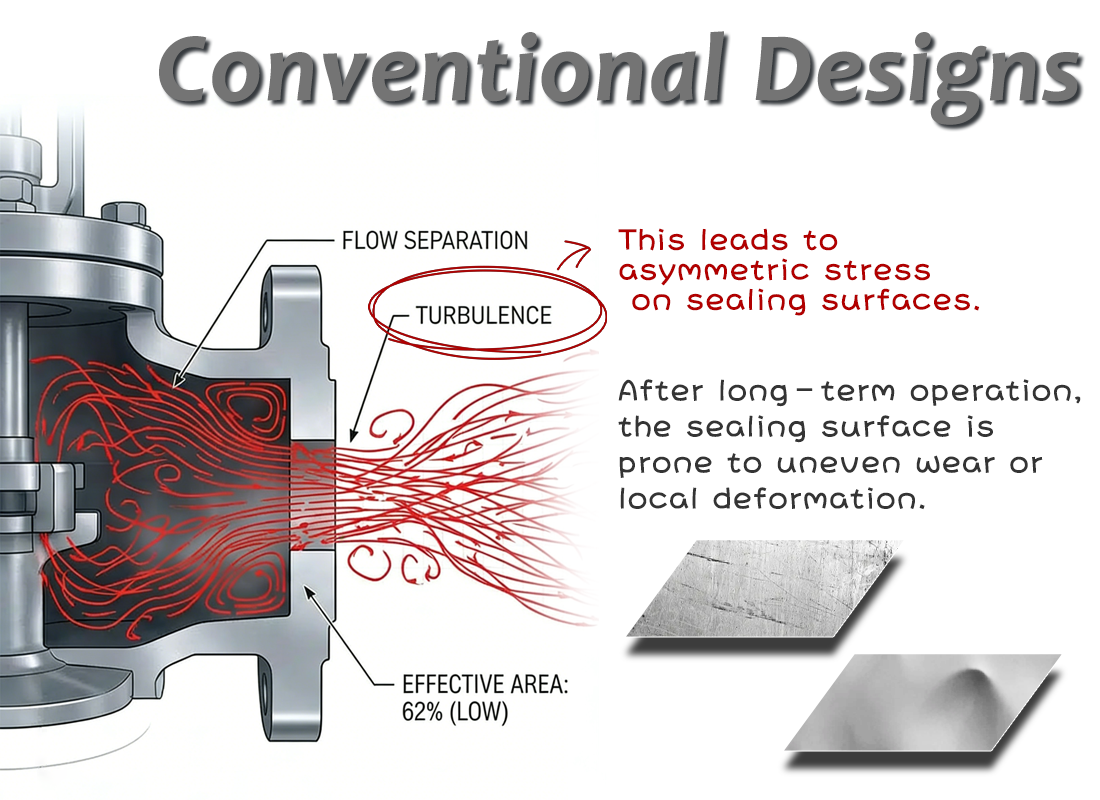
In contrast, an axial flow pneumatic valve maintains a straight-through flow path. Because the flow direction aligns with valve core movement, hydraulic forces remain largely axial. This alignment reduces shear stress and uneven loading.
An axial valve performance comparison under identical high-flow conditions typically shows improved sealing stability in axial structures.
Under high flow velocity conditions (e.g., gas velocity ≥ 20–30 m/s), structural differences between rotary valves and pneumatic axial valves become more evident.
The following comparison illustrates typical performance trends observed in industrial testing environments:
| Parameter | Traditional Rotary Valve | Pneumatic Axial Valve |
|---|---|---|
| Typical Gas Velocity Range | ≤ 20 m/s (recommended) | ≤ 35 m/s (stable operation) |
| Flow Direction Change Angle | 60°–90° | 0°–15° |
| Local Pressure Fluctuation (ΔP variation) | ±8–15% | ±3–6% |
| Dominant Seal Force Type | Radial + Shear | Axial Compression |
| Seal Contact Stress Distribution | Uneven | Uniform |
| Measured Seal Wear Rate (Relative Index) | 1.0 (baseline) | 0.55–0.70 |
| Leakage Rate After 1 Million Cycles | 2–3× initial value | 1.2–1.5× initial value |
| Axial Valve Torque Requirement Variation | ±20% fluctuation | ±8% fluctuation |
| Stability Under Pressure Pulsation | Moderate | High |
At higher velocities, turbulence intensity increases proportionally to the square of flow speed. In rotary structures, sudden flow redirection creates asymmetric force distribution on the valve seat. This explains the higher pressure fluctuation range and accelerated wear index.
In contrast, a pneumatic axial valve or axial flow control valve maintains near-linear flow passage. Because hydraulic forces act predominantly along the axial direction, sealing surfaces remain evenly compressed even at elevated velocity levels.
The lower fluctuation in axial valve torque requirement also reflects improved mechanical balance, reducing stress on the pneumatic axial valve actuator and improving long-term control stability.
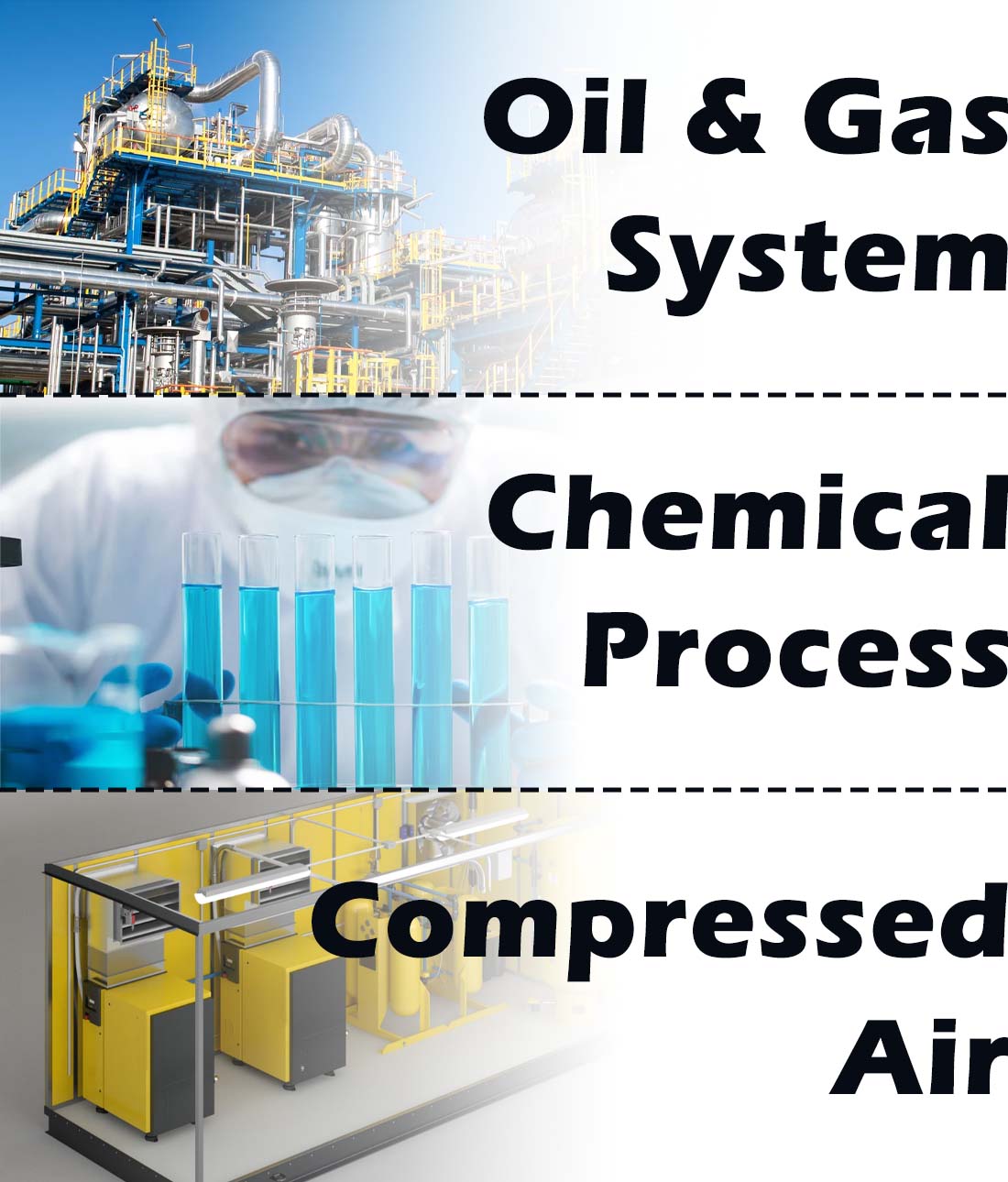
For high-demand industries such as axial valve for oil & gas, axial valve for chemical process, and axial valve for compressed air, these differences directly translate into longer maintenance intervals and more predictable sealing performance.
In automated systems, stability under high flow is essential for control precision. Whether configured as a pneumatic axial control valve, direct acting axial valve, or pilot operated axial valve, axial force balance reduces fluctuation during closing and opening.
Lower side-load also decreases axial valve torque requirement, benefiting the pneumatic axial valve actuator and improving system responsiveness.
For engineers following a pneumatic axial valve selection guide, evaluating maximum operating velocity and allowable pressure fluctuation is critical. Proper sizing with a pneumatic axial valve sizing chart ensures optimal sealing performance under demanding conditions.
Under sustained high flow velocity, uniform seal compression extends service life. The structural alignment in an axial type valve minimizes vibration-induced micro-movement, which is often a hidden contributor to leakage in traditional valves.
For distributors and procurement professionals, the recognized pneumatic axial valve advantages in high-flow systems include reduced maintenance frequency, improved operational safety, and enhanced lifecycle cost efficiency.
High flow velocity challenges valve sealing integrity through dynamic pressure and turbulence. By aligning hydraulic forces with axial compression, the pneumatic axial valve maintains uniform seal contact and improved stability.
For high-demand industrial systems, axial structural design provides a mechanically balanced solution capable of sustaining reliable sealing performance even under extreme flow conditions.
(FK9025)
You May Interest In
Apr 29, 2025 Blog
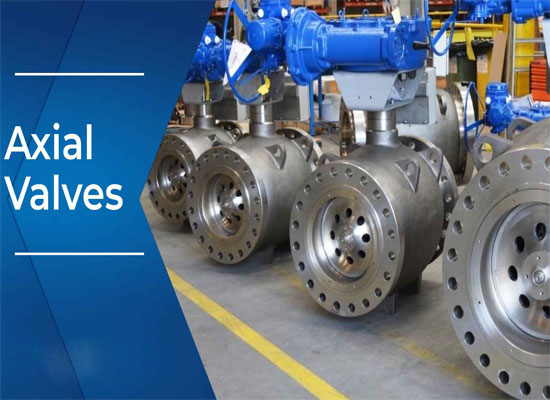
A Guide To Master Pneumatic Axial Valves


Get a free sample

FOKCA ©1998-2025 All Rights Reserved Sitemap