- sales@fokca.com info@fokca.com
- WhatsApp: +86 150 5749 1870

Custom Cylinders & System Solutions Manufacturer | Est. 1998
Custom Cylinders & System Solutions Manufacturer | Est. 1998

Feb 11, 2026
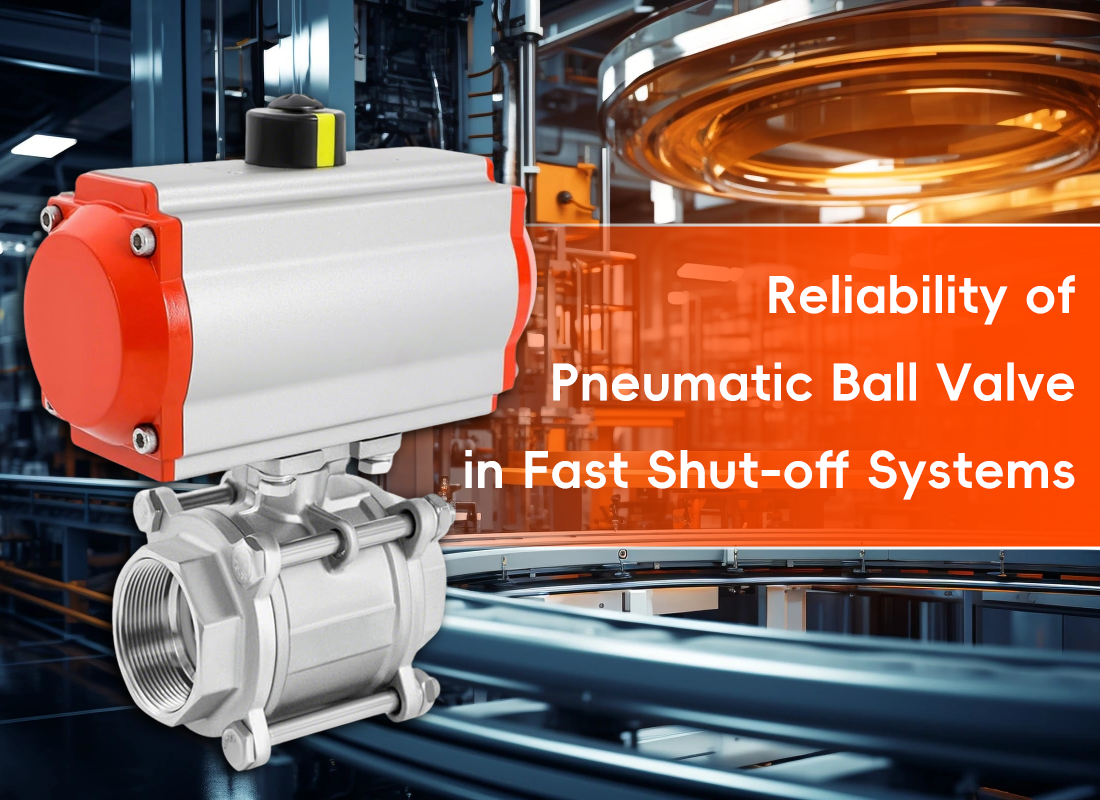
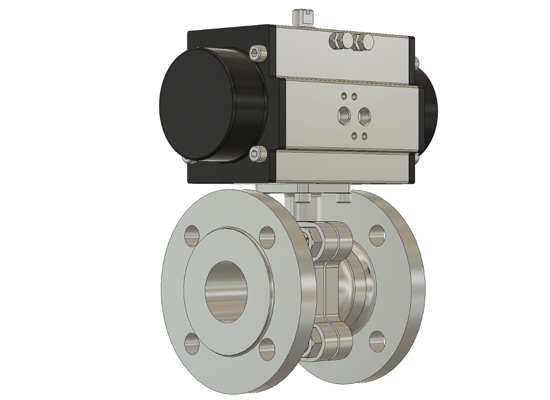
Fast shut-off is often the final protection in industrial automation. A pneumatic ball valve is widely used because of its quarter-turn structure and low flow resistance. However, the ability to close within seconds depends not only on speed but also on structure, medium condition, and control logic. Understanding these elements helps avoid hidden risks where the valve “moves but does not seal.”
Fast isolation requires high certainty rather than high frequency. The sealing form of pneumatic ball valves is surface contact, which is suitable for instant closure, but it demands sufficient torque reserve. When a compact pneumatic ball valve is paired with an undersized actuator, the valve may stop at a half-open position under high pressure.
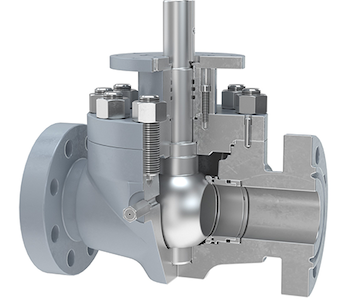
Key factors include:
◆ Match between actuator output and pneumatic ball valve torque requirement
◆ Air supply capacity
◆ Seat friction variation
◆ Pipeline impact on stem
In oil and gas plants, pneumatic ball valve for oil & gas often serves as the safety shut-off device. The common problem is not slow action but unstable closure. Valves staying open for months may develop higher initial friction, and a normal double acting pneumatic ball valve may fail to reach full sealing.
For steam systems using pneumatic ball valve for steam, temperature shock can cause micro leakage after closure. A spring return pneumatic ball valve is more reliable for such duties.
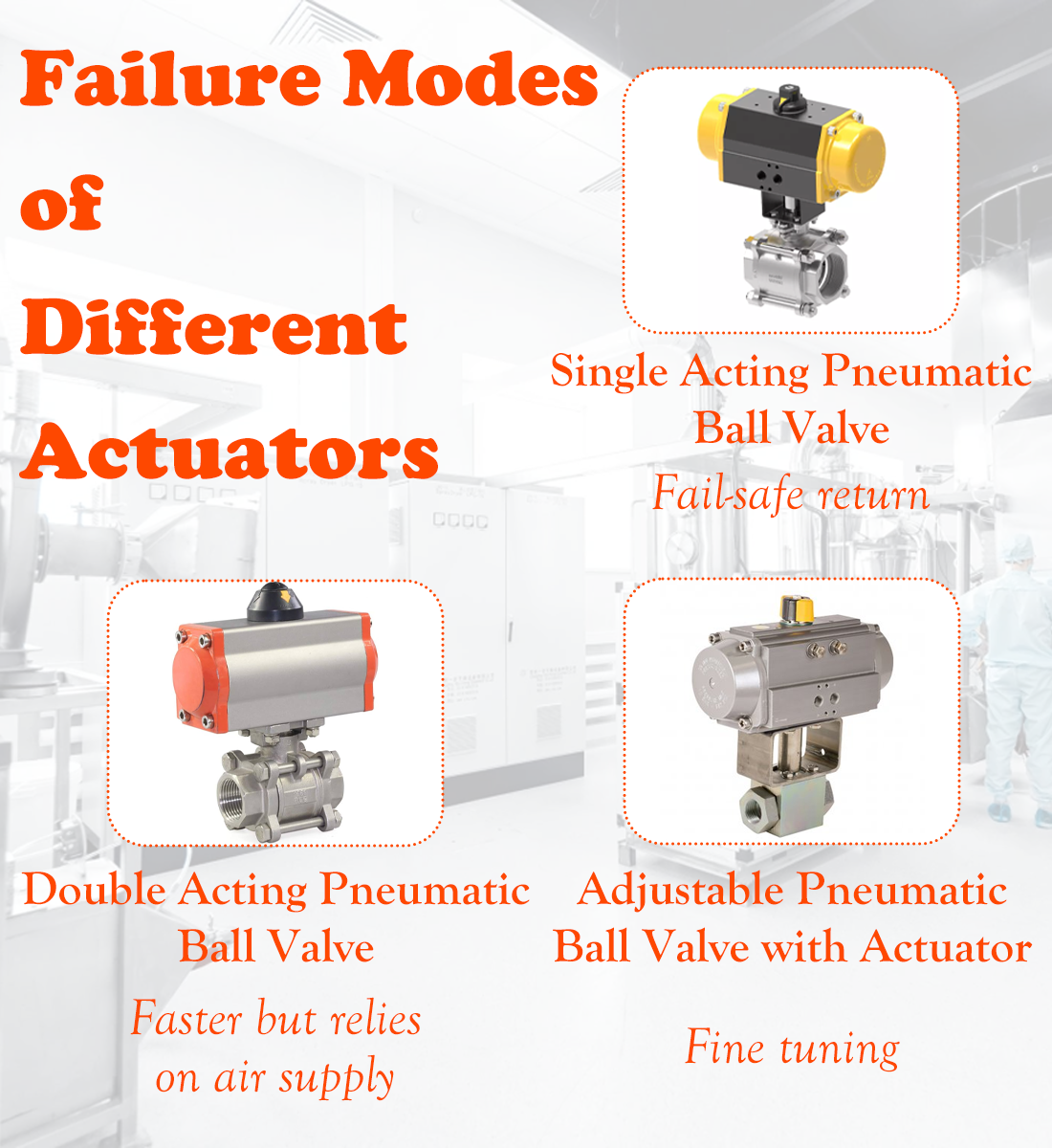
◆ single acting pneumatic ball valve – fail-safe return
◆ double acting pneumatic ball valve – faster but relies on air supply
◆ adjustable pneumatic ball valve with actuator – fine tuning
The torque peak of a quarter turn pneumatic ball valve usually appears in the last 10°, which must be considered.
A complete pneumatic ball valve control system should include independent air storage, matched solenoid valves, and robust pneumatic stainless steel ball valve bodies.
| Factor | Possible Risk | Improvement Method |
|---|---|---|
| Insufficient torque | Valve cannot fully close | Select higher grade actuator |
| Contaminated medium | Seat scratching | Use filtration & hardened seat |
| Low air pressure | Slow response | Add air reservoir |
| Temperature shock | Micro leakage | Choose suitable seat material |
Following the pneumatic ball valve installation guide reduces failure. In particle media, choose valves designed for pneumatic ball valve for chemical process. Periodic verification keeps performance stable.
Compared with control valves, an air operated ball valve has a straight path and short closing stroke. With correct sizing based on pneumatic ball valve sizing chart, the pneumatic actuated ball valve becomes a reliable choice for emergency systems.
(FK9025)
You May Interest In
Feb 07, 2026 Blog
Medium Trapping in Pneumatic Ball Valve Rotation
Jan 08, 2026 Blog
Why Globe Valves Cannot Fully Replace Ball Valves


Get a free sample

FOKCA ©1998-2025 All Rights Reserved Sitemap