- sales@fokca.com info@fokca.com
- WhatsApp: +86 150 5749 1870

Custom Cylinders & System Solutions Manufacturer | Est. 1998
Custom Cylinders & System Solutions Manufacturer | Est. 1998

Apr 14, 2026
A check valve (also called a one way valve) is designed to allow fluid to flow in one direction while preventing backflow. In pipeline systems such as water supply, HVAC, or compressed air, components like a spring check valve, swing check valve, or inline check valve are widely used. However, under certain operating conditions, vibration can occur and gradually affect system reliability.
Vibration typically arises when the internal disc or poppet of the valve repeatedly opens and closes in unstable flow conditions. This phenomenon, sometimes called valve chatter, is common in systems using air compressor check valve or pump check valve setups where flow rates fluctuate.
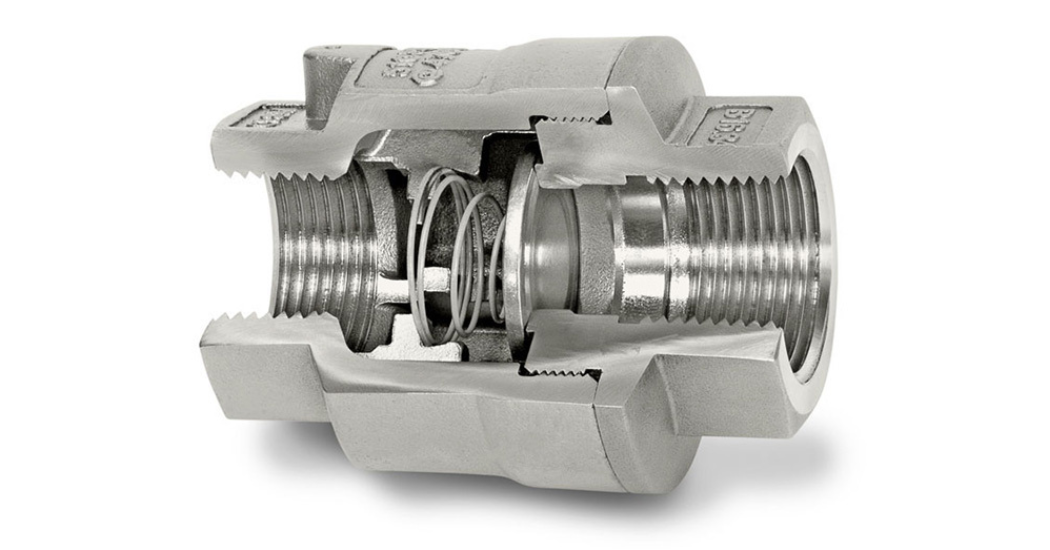
When the flow velocity is below the valve’s required cracking pressure, the valve cannot stay fully open. This leads to rapid oscillation of the disc. In systems such as a sump pump check valve or water pump check valve, undersized pumps or intermittent operation often trigger this issue.
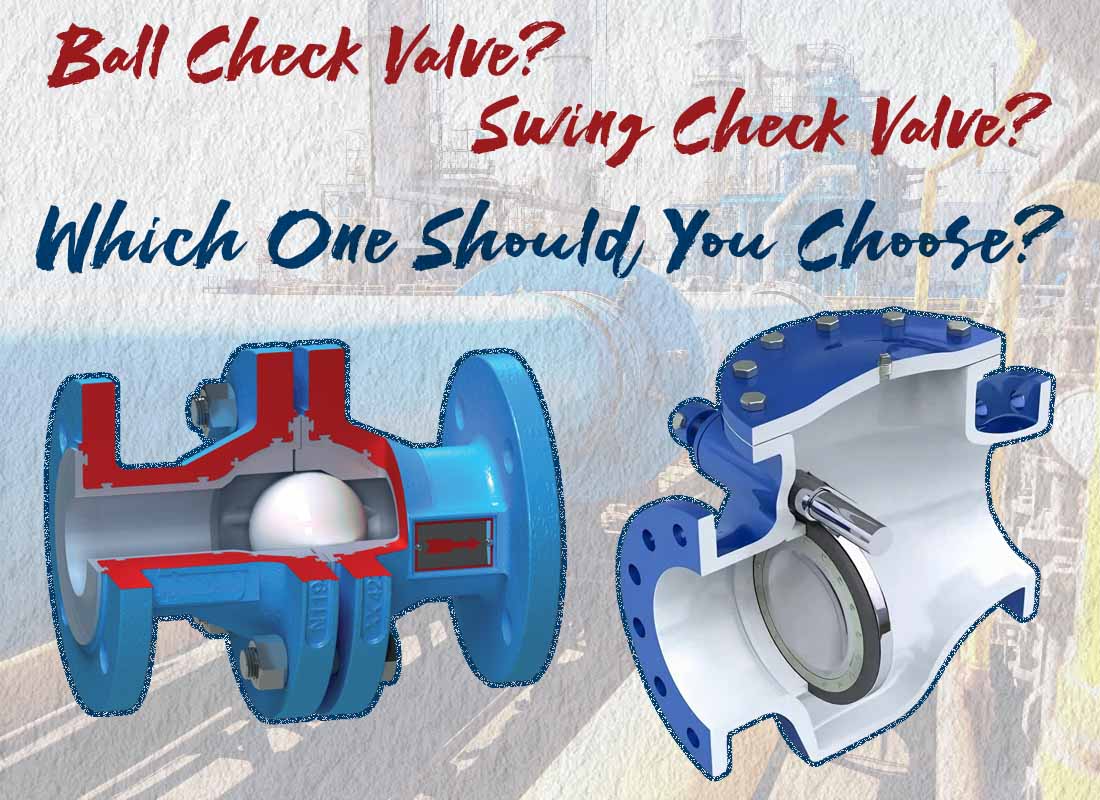
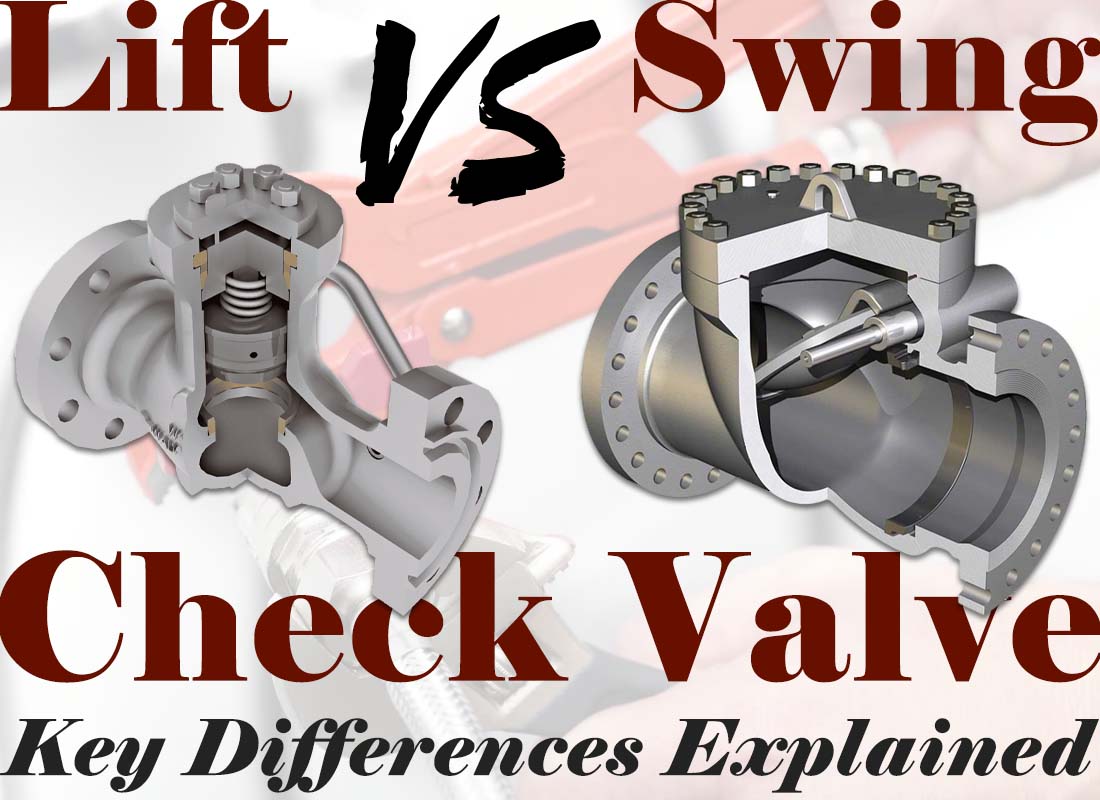
Different valve types respond differently to flow dynamics. A swing check valve may perform well in high-flow horizontal pipelines, but in vertical or pulsating systems, a spring loaded check valve or ball check valve is often more stable.
Pumps and compressors generate pulsating flow. For example, a compressor check valve or air check valve installed too close to the source may experience repeated pressure shocks, leading to vibration and noise.
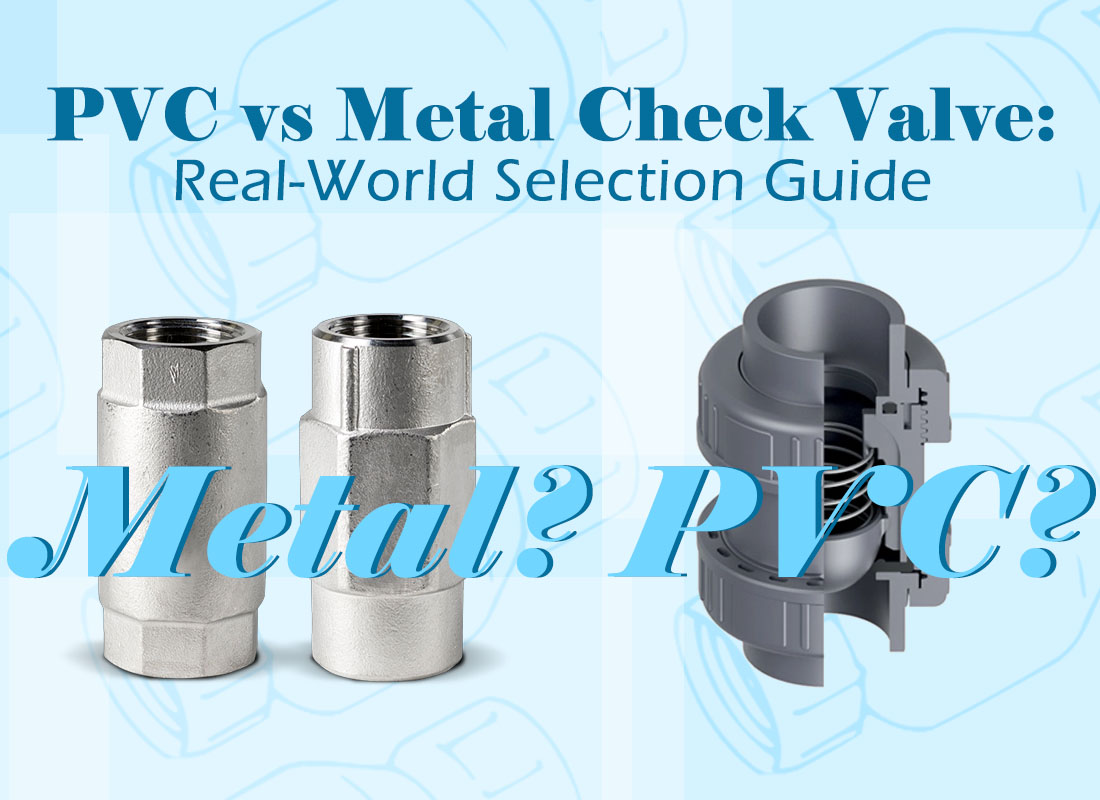
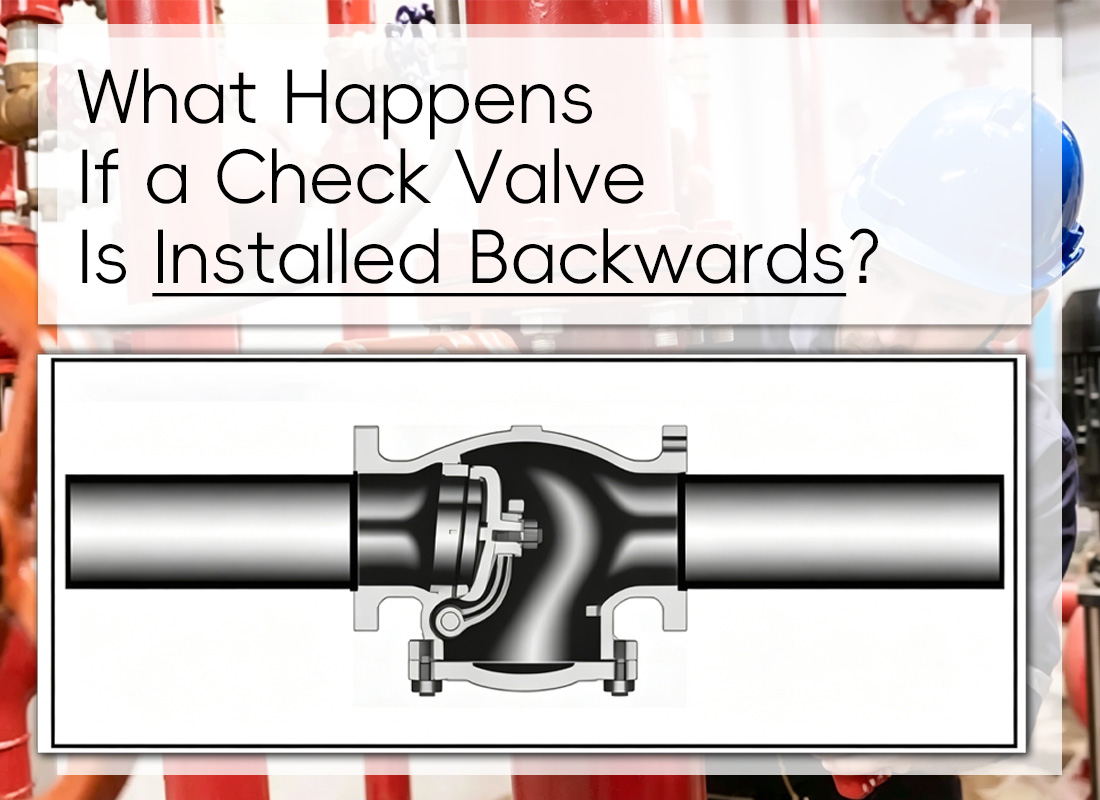
Incorrect installation can amplify vibration. For example, installing a pvc check valve in a non-recommended orientation may cause gravity-assisted oscillation, especially in vertical pipelines without proper support.
| Valve Type | Typical Application | Vibration Sensitivity | Notes |
|---|---|---|---|
| Swing Check Valve | Water pipelines, sewage systems | Medium–High | Sensitive to low flow conditions |
| Spring Check Valve | HVAC systems, pumps, compressors | Low | Provides better stability under fluctuating flow |
| Ball Check Valve | Slurry and wastewater systems | Medium | Resistant to clogging but may vibrate under pulsating flow |
| Inline Check Valve | Compact piping systems | Low–Medium | Ideal for installations with limited space |
| Wafer Check Valve | Large-diameter pipelines | Medium | Lightweight design, sensitive to pressure fluctuations |
Persistent vibration in a check valve can lead to multiple operational issues. First, mechanical wear accelerates, reducing the service life of internal components. In critical systems like a well pump check valve or fuel check valve, this may result in leakage or failure.
Second, vibration generates noise, which is particularly problematic in residential or commercial installations such as quiet sump pump check valve applications. Over time, this noise often indicates internal damage.
Third, pipeline integrity can be compromised. Repeated vibration may loosen connections or damage nearby equipment, especially in systems using rigid materials like PVC or metal piping.
Choosing a spring loaded check valve instead of a swing type can significantly reduce chatter in low-flow conditions. For pulsating systems, a silent check valve is often recommended due to its controlled closing mechanism.
Install the valve at an adequate distance from pumps or compressors. For example, placing a check valve for air compressor further downstream helps stabilize pressure before reaching the valve.
Oversized valves are a common cause of vibration. Selecting the correct diameter, such as a 2 inch check valve or 3/4 inch check valve, based on actual flow requirements ensures stable operation.
Using dampeners or accumulators can reduce pressure fluctuations. This is especially effective in systems with hydraulic check valve or high-frequency pump cycles.
In a municipal water project, engineers replaced a swing check valve with a dual plate wafer check valve after experiencing severe vibration at low demand periods. The result was a 40% reduction in noise levels and significantly improved valve lifespan, according to field maintenance reports.
For distributors and equipment buyers, understanding these differences is critical. Selecting the right check valve types not only improves performance but also reduces maintenance costs and downtime.
(FK9025)
You May Interest In
Apr 09, 2026 Blog
Why Check Valves Make Noise and How to Fix It?
Apr 08, 2026 Blog
Check Valve Backflow Problem: Causes and Solutions
Apr 07, 2026 Blog
Why Your Check Valve Is Not Closing (Causes & Fixes)




Get a free sample

FOKCA ©1998-2025 All Rights Reserved Sitemap