- sales@fokca.com info@fokca.com
- WhatsApp: +86 150 5749 1870

Custom Cylinders & System Solutions Manufacturer | Est. 1998
Custom Cylinders & System Solutions Manufacturer | Est. 1998

Jan 12, 2026
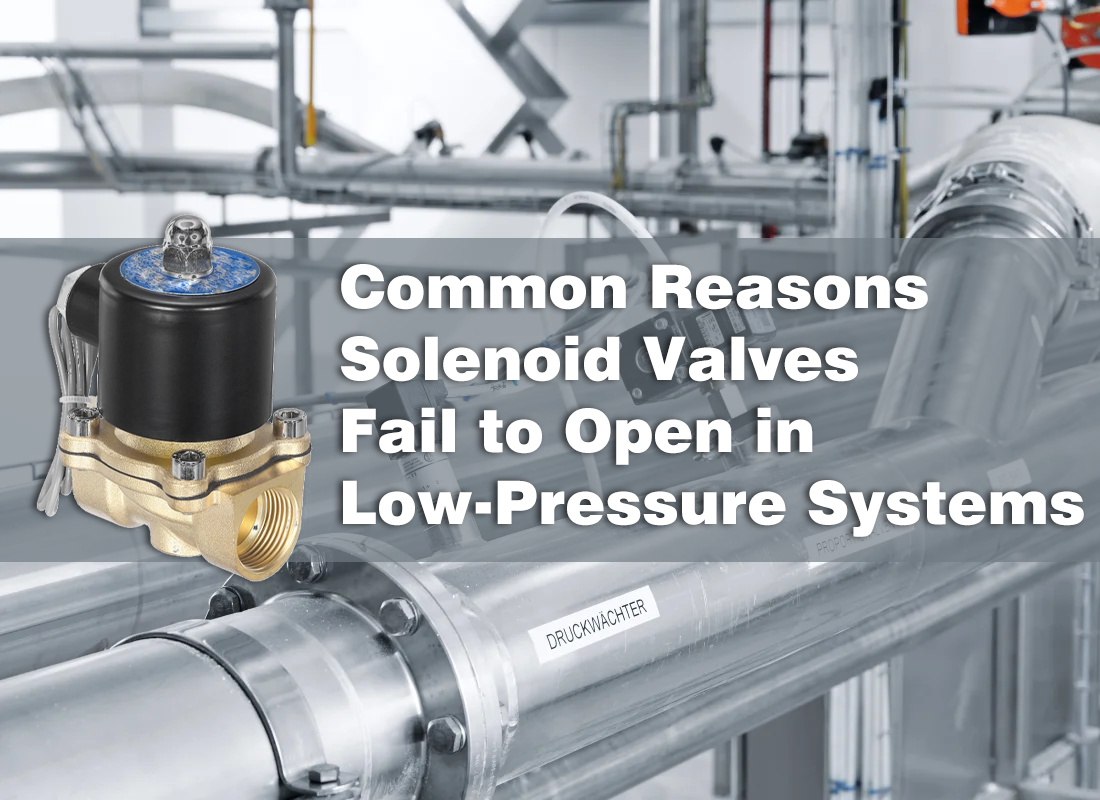
In many industrial sites, a solenoid valve that is energized but does not open is a familiar issue—especially in gravity-fed water systems and low-pressure circulation loops. The coil may be powered, indicator lights are on, yet no fluid passes through the valve. While this is often mistaken for an electrical failure, the root cause is more frequently related to pressure differential and valve design, not the solenoid coil itself.
When engineers think about how a solenoid valve works, attention often focuses on electrical activation. In reality, for most water solenoid valves and fluid control valves, the opening movement depends on a combination of magnetic force and media pressure differential.
Under normal operating pressure, inlet pressure assists the valve core in overcoming spring force and sealing resistance. In low-pressure or near zero-pressure systems, this assistance disappears. As a result, the solenoid may energize correctly, but the valve core cannot complete its stroke.
Gravity-fed systems rely on liquid head rather than pumps, which means low working pressure, minimal pressure differential, and slow pressure response. Similar conditions exist in open-loop cooling systems and low-pressure return lines.
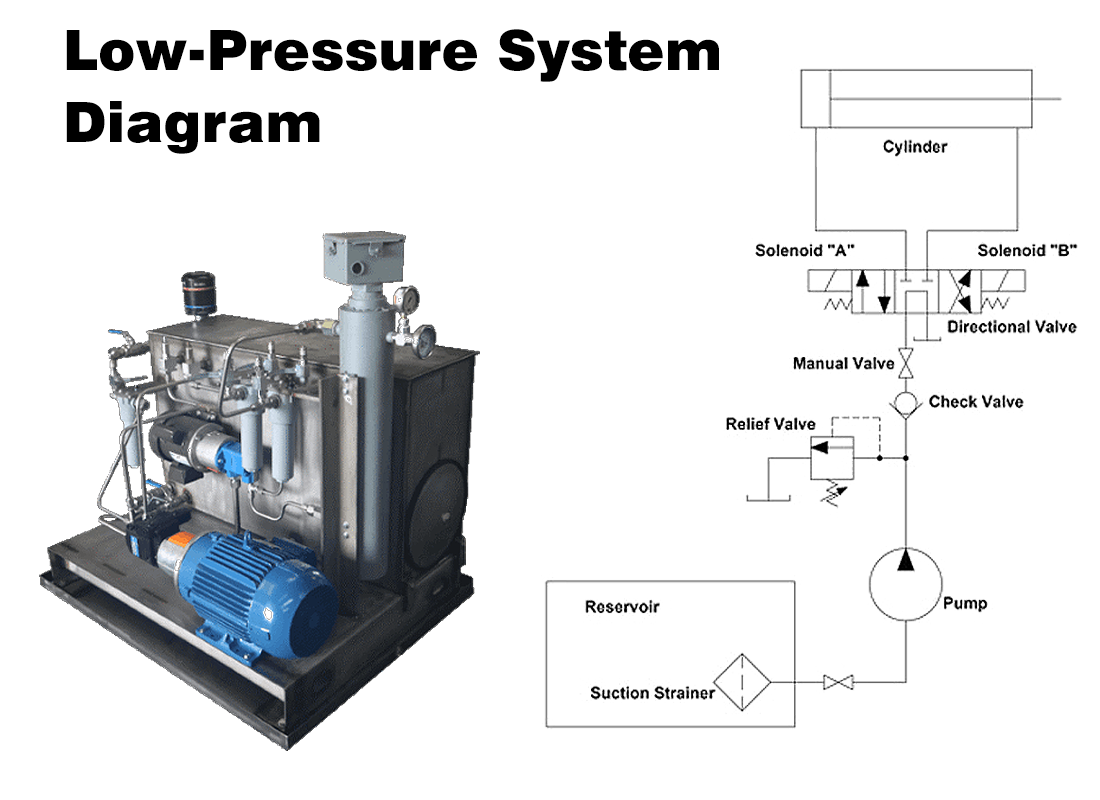
In these applications, selecting a pilot operated solenoid valve without checking pressure requirements is a common mistake. These valves depend on pressure differential to function properly, making them unsuitable for many low-pressure installations.
A pilot operated solenoid valve is popular due to its low power consumption, large flow capacity, and stable performance under medium to high pressure. However, it requires a defined minimum operating pressure differential.
The solenoid coil opens a small pilot orifice, allowing system pressure to move the main diaphragm or piston. Without sufficient differential pressure, the main valve remains closed—even though the solenoid is energized.
This explains why replacing coils or checking wiring often fails to solve the issue in low-pressure environments.
A direct acting solenoid valve relies solely on electromagnetic force to move the valve core. It does not depend on system pressure, making it ideal for zero pressure or low-pressure systems.
The trade-offs include:
◆ Smaller available orifice sizes
◆ Higher coil power consumption
◆ Increased heat generation at larger flow rates
Despite these limitations, direct acting designs offer reliable operation where pilot operated valves cannot function.
When facing a solenoid valve that will not open, consider the following checks:
◆ Is the system gravity-fed or naturally circulated?
◆ Is there sufficient pressure differential across the valve?
◆ Does the solenoid valve specify a minimum operating pressure?
◆ Is the system operating at low load or low liquid level?
If several of these conditions apply, the issue is likely related to valve selection rather than electrical failure.
For distributors and procurement teams, low-pressure solenoid valve failures often lead to unnecessary returns, downtime, and customer dissatisfaction. Verifying parameters such as minimum working pressure, direct acting vs pilot operated design, and actual system conditions is far more effective than focusing solely on price or port size.
(FK9025)
You May Interest In
Dec 31, 2025 Blog
Pneumatic Solenoid Valve Manual Button Explained



Get a free sample

FOKCA ©1998-2025 All Rights Reserved Sitemap