- sales@fokca.com info@fokca.com
- WhatsApp: +86 150 5749 1870

Custom Cylinders & System Solutions Manufacturer | Est. 1998
Custom Cylinders & System Solutions Manufacturer | Est. 1998

Dec 22, 2025
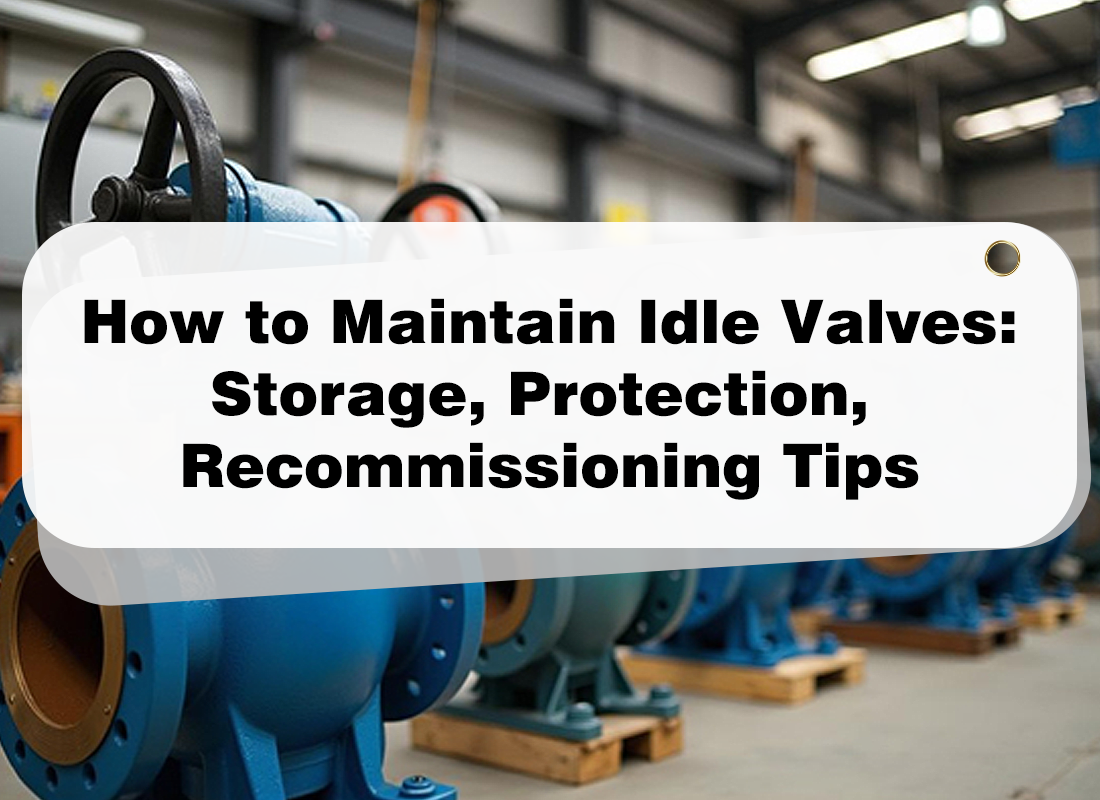
In industrial systems, valves are not always in continuous operation. Spare valves, project-reserved valves, or those left unused after seasonal shutdowns may remain idle for extended periods. Without proper maintenance, valves can develop leakage, sticking, or internal corrosion when returned to service. Proper care of idle valves is therefore essential for long-term system reliability.
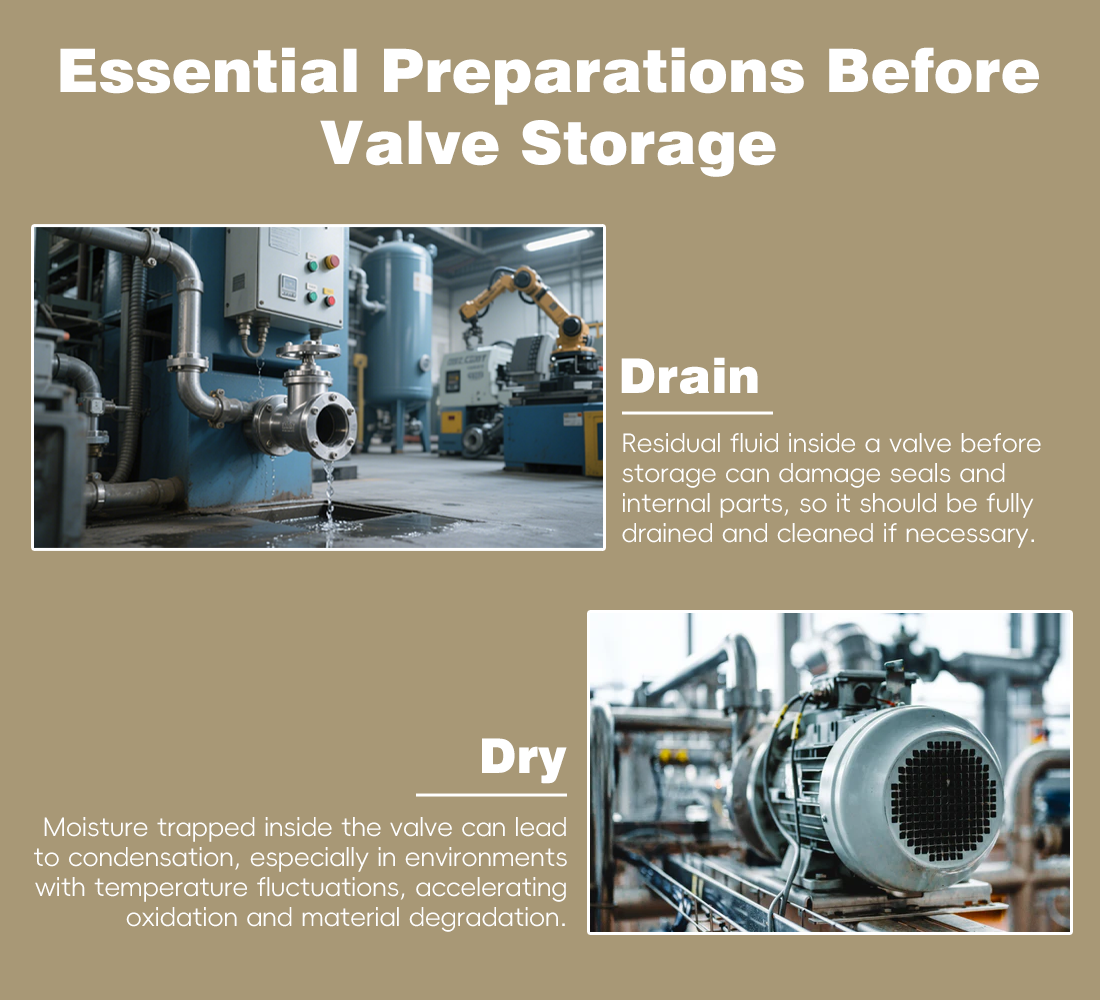
Before a valve is taken out of service, all internal media should be completely drained. Water, oil, gas, or chemical fluids left inside the valve body may cause corrosion, crystallization, or deposits over time, affecting sealing surfaces and internal components. For valves that handled corrosive or viscous media, additional cleaning is recommended.
After draining, the valve interior must be kept dry. Moisture trapped inside the valve can lead to condensation, especially in environments with temperature fluctuations, accelerating oxidation and material degradation.
Moisture control is one of the most critical aspects of idle valve maintenance. Valves should be stored in a dry, well-ventilated area, away from direct contact with the floor. For precision or stainless steel valves, desiccants and moisture-proof packaging can provide additional protection.
Temperature control also plays an important role. Prolonged exposure to high temperatures may accelerate seal aging, while low temperatures can harden elastomer seals and reduce elasticity. Valves are best stored at stable ambient temperatures, away from direct sunlight or heat sources.
Even when not in service, valves should not be completely neglected. For long-term storage, it is advisable to operate the valve slightly at regular intervals to prevent sticking of stems and sealing surfaces.
For valves equipped with actuators, external seals and connections should be inspected periodically. Light lubrication of moving parts may be applied when necessary to maintain mechanical integrity.
Before recommissioning, a thorough inspection should be carried out. Key checks include seal condition, signs of corrosion, and smooth operation of opening and closing movements. For valves used in critical processes, low-pressure or functional testing is recommended before full operation.
If a valve has been stored for a long period, especially in humid or challenging environments, replacing wear-prone sealing components can significantly improve operational safety.
Proper maintenance and storage of idle valves not only extend service life but also reduce the risk of failure during reactivation. In industrial applications, systematic idle valve management is an often-overlooked yet essential aspect of reliable operation.
(FK9025)
You May Interest In












Get a free sample

FOKCA ©1998-2025 All Rights Reserved Sitemap