- sales@fokca.com info@fokca.com
- WhatsApp: +86 150 5749 1870

Custom Cylinders & System Solutions Manufacturer | Est. 1998
Custom Cylinders & System Solutions Manufacturer | Est. 1998

Mar 04, 2026
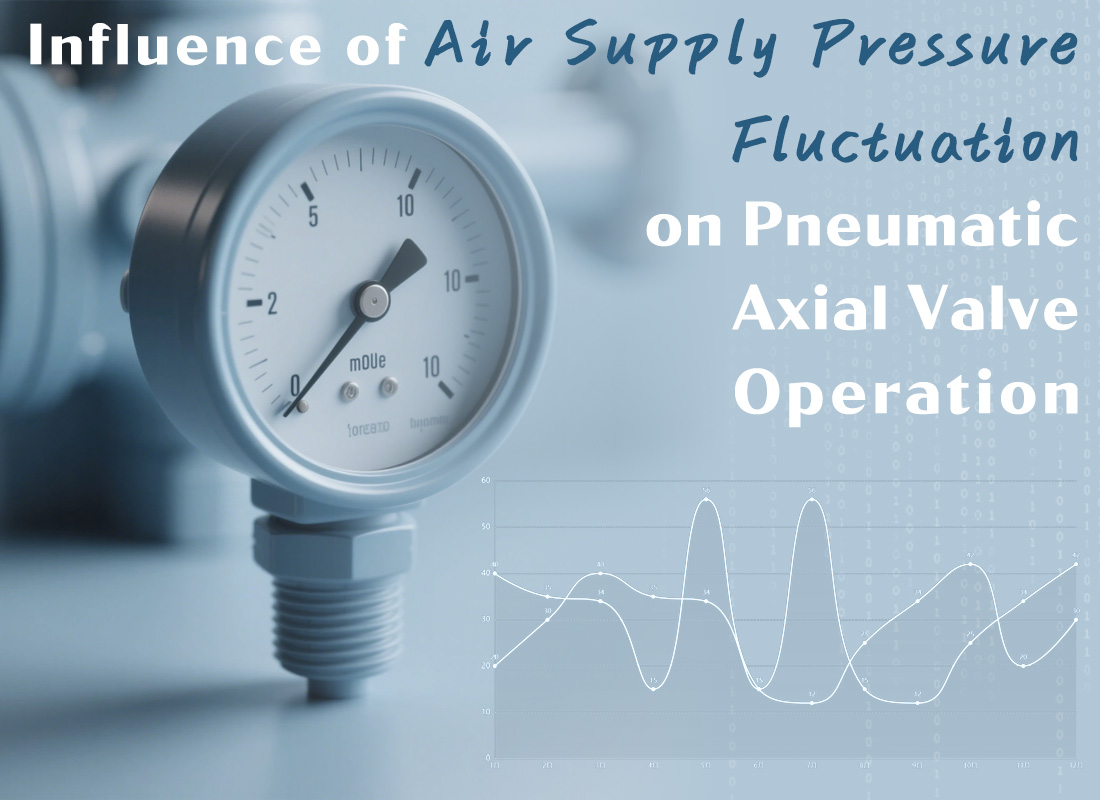
In pneumatic automation systems, air supply stability plays a crucial role in valve positioning accuracy. A pneumatic axial valve relies on compressed air to generate linear motion through its actuator. When air supply pressure fluctuates, the force acting on the valve core changes accordingly, shifting its position and altering flow output.
Unlike purely mechanical valves, many axial valves directly convert air pressure into axial displacement. Therefore, variations in supply pressure can influence stroke precision, sealing compression, and overall control performance. In modern pneumatic architectures, these valves often work together with pneumatic flow control valves and other regulating components to maintain system stability.
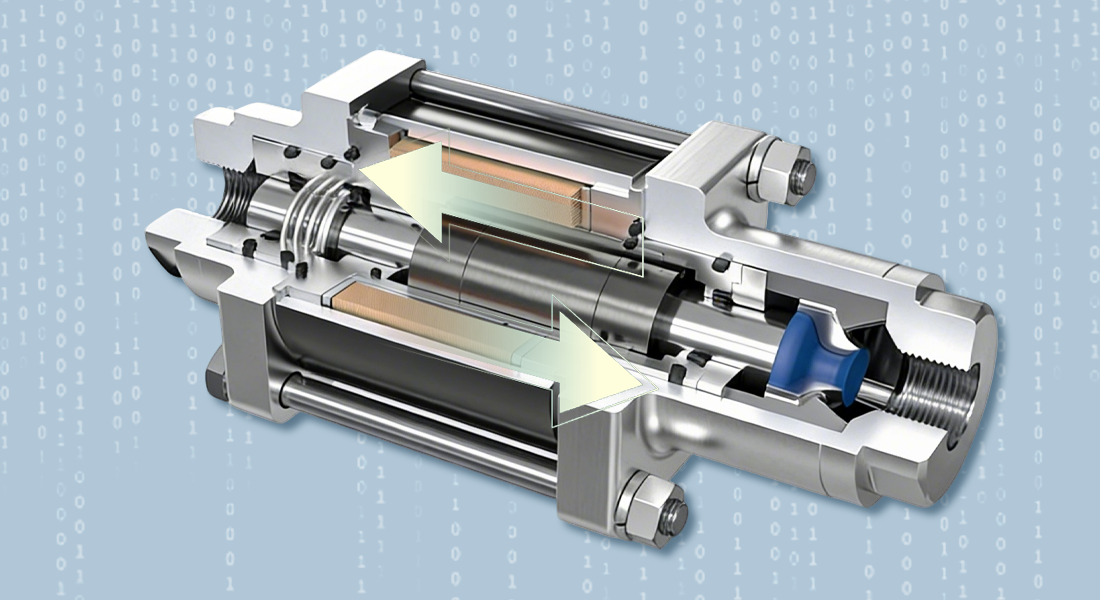
To understand how pneumatic axial valve works, it is essential to recognize that actuator output force is proportional to supply pressure. In a direct acting axial valve, reduced air pressure lowers the pushing force, potentially preventing the valve core from reaching the commanded position. Conversely, excessive pressure may cause over-travel or increased mechanical stress.
In systems using a pneumatic axial valve with positioner, feedback mechanisms help compensate for minor fluctuations. However, in open-loop configurations or simple axial valve for pneumatic systems, supply instability can directly impact the axial valve flow characteristic.
In some installations, auxiliary components such as a flow control solenoid valve or flow regulator valve are installed upstream to stabilize the compressed air supply and minimize actuator deviation.
Typical effects include:
◆ Stroke deviation of 3–8% when supply pressure fluctuates ±10%
◆ Flow variation of 5–12% depending on valve size
◆ Increased axial valve torque requirement due to unstable sealing compression
These deviations become more noticeable in precision applications such as axial valve for industrial automation or axial valve for chemical process control.
The following table illustrates typical operational behavior under stable versus fluctuating air supply conditions:
| Parameter | Stable Air Supply | ±10% Pressure Fluctuation |
|---|---|---|
| Stroke Accuracy | ±1–2% | ±3–8% |
| Flow Stability | High | Moderate |
| Seal Compression Uniformity | Consistent | Variable |
| Actuator Force Output | Stable | Fluctuating |
| Control Loop Oscillation | Minimal | Increased Risk |
| Energy Efficiency | Optimized | Reduced |
In high-demand systems such as axial valve for oil & gas or axial valve for fluid control systems, even small flow deviations can influence downstream process stability.
When analyzing axial valve vs traditional valve behavior, axial designs are generally more responsive to actuator input because of their linear motion mechanism. This high responsiveness improves precision but also makes them moderately sensitive to supply pressure variation.
Rotary valves often rely on mechanical advantage through gearing or rotational leverage, which may dampen small pressure fluctuations. In contrast, an axial flow control valve translates pressure changes more directly into displacement changes.
However, this sensitivity does not necessarily represent a disadvantage. When integrated into a properly designed axial valve control system with pressure regulators and positioners, the pneumatic axial valve advantages include:
◆ Faster response time
◆ Smoother modulation
◆ Lower hysteresis
◆ Improved repeatability
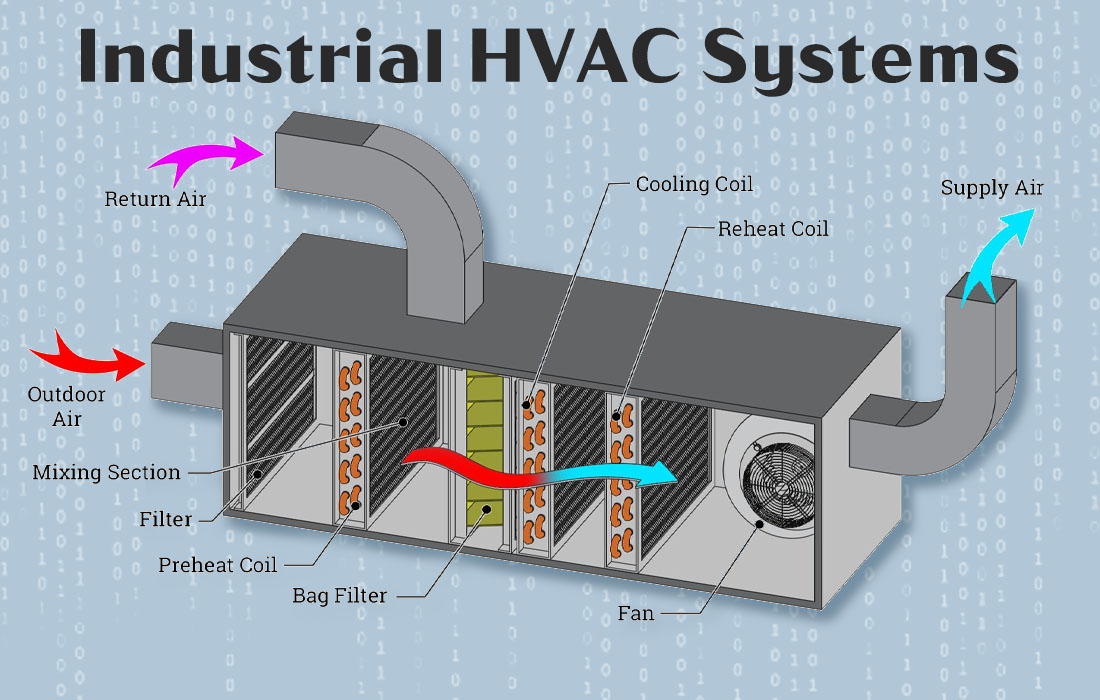
In systems such as axial valve for HVAC systems or compressed air distribution networks, proper pressure regulation ensures stable operation even in fluctuating environments. Some advanced installations also combine axial valves with an electronic flow control valve or similar smart control devices to improve stability and response accuracy.
For distributors and engineers consulting a pneumatic axial valve selection guide, air supply quality should be evaluated alongside pressure rating and flow capacity. Installing pressure regulators, air reservoirs, and filtration units can significantly reduce fluctuation impact.
In some cases, selecting a pilot operated axial valve rather than a direct acting configuration may provide improved stability under variable supply conditions. Industrial solutions from manufacturers similar to parker control valves or products like the legris axial type pneumatic actuated valve often incorporate such design considerations to enhance reliability.
Additionally, following an axial valve installation guide ensures that mechanical friction does not amplify pressure-induced stroke variation. Certain standardized models—such as the pneumatic axial valve dn15 pn10 ms58 pat or well-known products like the omal pneumatic axial valve—are engineered to maintain stable operation when proper supply pressure conditions are maintained.
Routine inspection as part of axial valve maintenance tips should include verification of supply pressure consistency, especially in systems experiencing unexplained flow instability or irregular response.
Maintaining controlled air supply conditions allows the pneumatic axial valve to deliver predictable stroke positioning and stable flow modulation across demanding industrial environments.
(FK9025)
You May Interest In
Apr 29, 2025 Blog
A Guide To Master Pneumatic Axial Valves


Get a free sample

FOKCA ©1998-2025 All Rights Reserved Sitemap