- sales@fokca.com info@fokca.com
- WhatsApp: +86 150 5749 1870

Custom Cylinders & System Solutions Manufacturer | Est. 1998
Custom Cylinders & System Solutions Manufacturer | Est. 1998

Mar 19, 2026
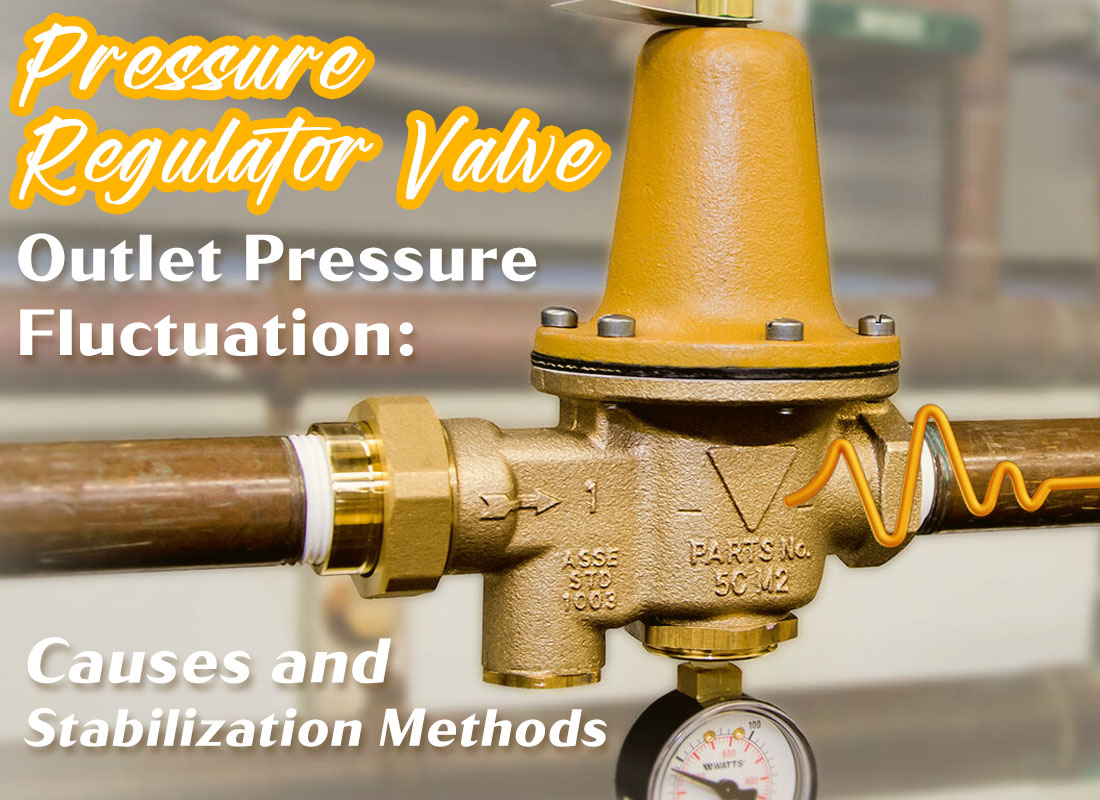
In real piping systems, a pressure regulator valve rarely operates under perfectly steady conditions. Outlet pressure fluctuation often appears as periodic oscillation, sudden spikes, or slow drift away from the setpoint. These behaviors are commonly observed in water pressure regulator valve and air pressure regulator valve applications where downstream demand is dynamic.
In automated equipment, even a ±10% deviation can affect process consistency. For example, in filling or spraying systems, unstable pressure leads to uneven flow rates and inconsistent output quality. This is why understanding how does a pressure regulating valve work under dynamic conditions becomes essential rather than relying only on static specifications.

At its core, a pressure regulating valve maintains balance between spring force and diaphragm feedback. Once this balance is disturbed, the system may enter a continuous adjustment cycle, causing visible pressure fluctuation.
One of the most frequent causes of instability in pressure regulating valves is rapid downstream flow variation. When multiple devices start or stop simultaneously, the valve must continuously adapt to changing flow demand.
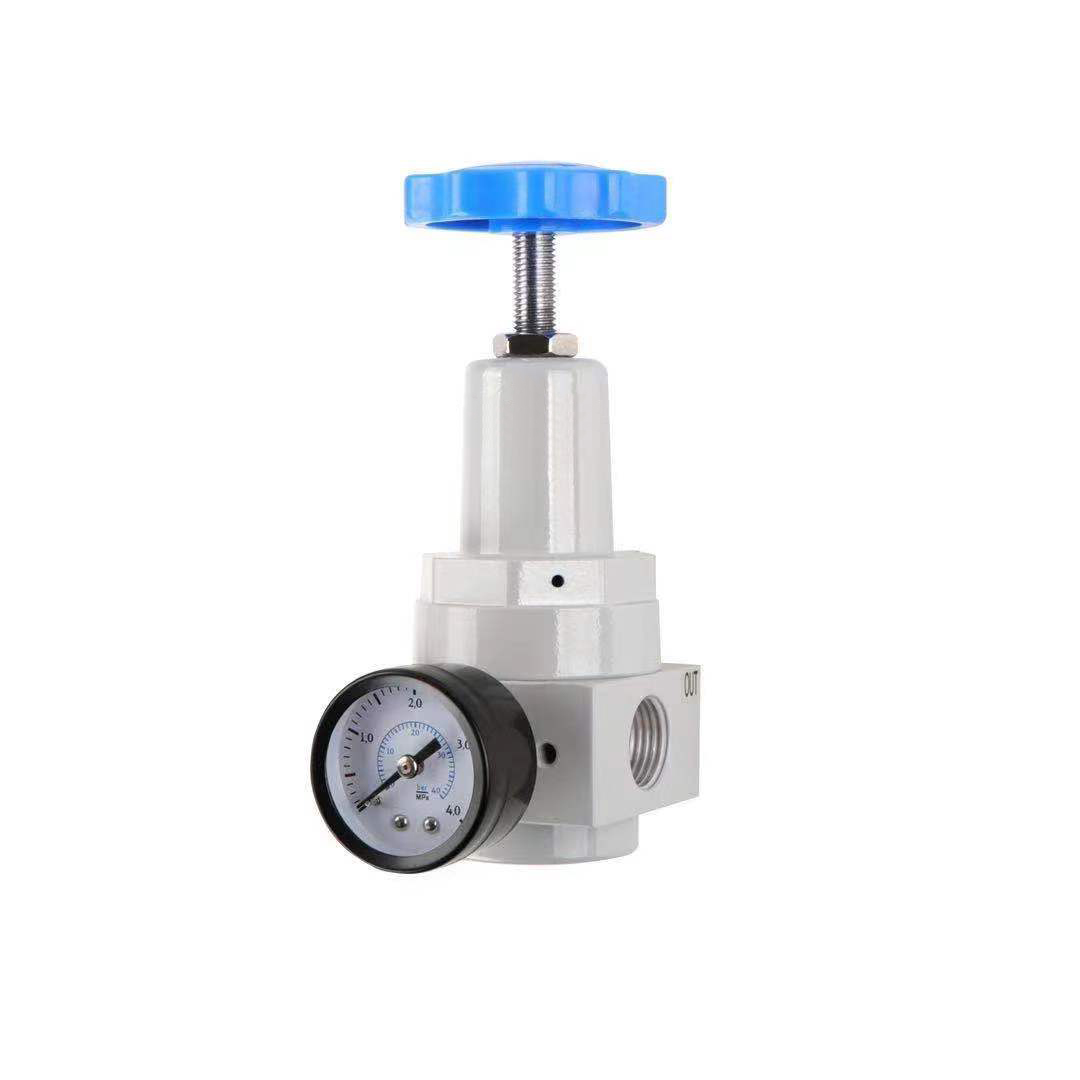
If flow demand suddenly increases, the valve opening lags behind, causing a temporary pressure drop. Conversely, when flow demand decreases quickly, delayed closing leads to pressure overshoot. This phenomenon is particularly evident in compressed air pressure regulating valve systems where load changes are frequent.
In smaller sizes such as a 3/4 inch pressure regulator valve, the sensitivity to flow variation is even higher due to limited flow capacity. Engineers often underestimate this effect during selection, focusing only on nominal pressure ratings instead of flow-pressure response curves.
Long-term operation introduces mechanical degradation inside the pressure valve regulator. The spring, which defines the set pressure, gradually loses stiffness due to fatigue, while the diaphragm—responsible for sensing pressure—can crack, harden, or lose elasticity.
In demanding applications such as gas pressure regulator valve or steam pressure regulating valve, high temperature accelerates these effects. A fatigued spring typically causes pressure drift, while a damaged diaphragm results in slow response and continuous fluctuation.
Below is a comparison based on industrial maintenance observations (source type: equipment service reports):
| Failure Type | Effect on Pressure Stability | Response Speed | Leakage Risk | Typical Symptom |
|---|---|---|---|---|
| Spring Fatigue | Medium | Reduced | Low | Pressure drift |
| Diaphragm Damage | High | Slow | Medium | Pressure fluctuation |
| Valve Seat Wear | Medium | Normal | High | Pressure overshoot |
| Internal Contamination | High | Irregular | Medium | Unstable pressure |
Among these, diaphragm failure has the most direct impact on stability, especially in pressure regulator valve for water systems requiring precise control.
Even a well-designed pressure regulator valve for house cannot maintain stable output if the inlet pressure itself is unstable. When upstream pressure fluctuates, the valve must constantly adjust its position, which can introduce oscillation into the system.
In municipal water supply or shared compressed air systems, inlet pressure variations of more than 15–20% are not uncommon. Under these conditions, the regulator behaves more like a dynamic control element than a static reducer, and instability becomes more likely.
Frequent upstream pressure changes also increase wear on internal components, especially in high pressure air regulator valve applications where pressure differentials are significant.
To improve stability, engineers typically combine component selection with system-level optimization. One effective method is installing a buffer tank or pressure stabilizing vessel, which absorbs short-term fluctuations and reduces system oscillation.
Another approach is selecting a pilot operated pressure regulating valve instead of a direct acting design. Pilot-operated valves use a secondary control stage, offering higher sensitivity and smoother pressure control, especially in large flow or high-precision systems.
Proper setup also plays a critical role. During pressure regulator valve adjustment, matching the spring preload to actual operating conditions is essential. Incorrect adjustment often leads to unnecessary oscillation, even if the valve itself is functioning correctly.
Maintaining stable pressure output requires attention to both valve design and system conditions:
◆ Select a pressure regulator valve based on both pressure range and flow variation
◆ Install buffer tanks in systems with frequent load changes
◆ Use pilot operated valves for high accuracy applications
◆ Regularly inspect diaphragm and spring condition
◆ Keep pipelines clean to prevent contamination-related instability
With proper selection and system design, pressure fluctuation can be significantly reduced, ensuring consistent performance and longer service life of the entire piping system.
(FK9025)
You May Interest In





Get a free sample

FOKCA ©1998-2025 All Rights Reserved Sitemap