- sales@fokca.com info@fokca.com
- WhatsApp: +86 150 5749 1870

Custom Cylinders & System Solutions Manufacturer | Est. 1998
Custom Cylinders & System Solutions Manufacturer | Est. 1998

Mar 20, 2026
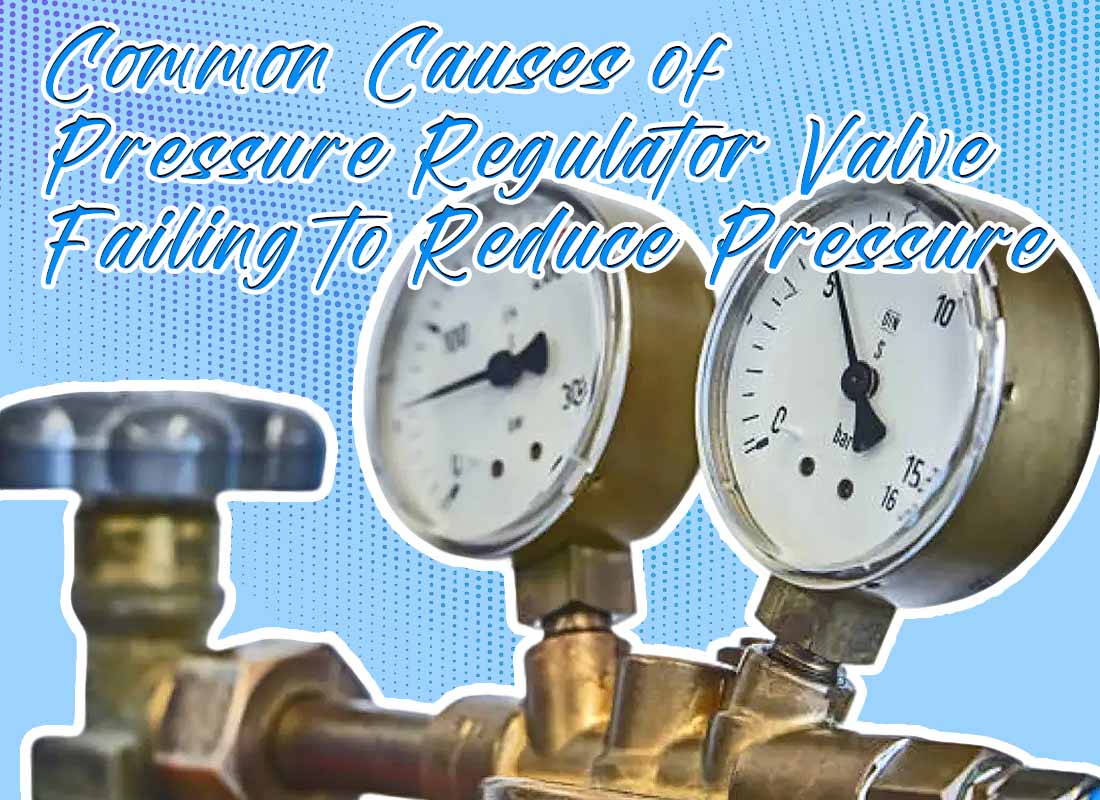
In industrial and residential systems, a pressure regulator valve is expected to lower the system pressure to a stable setpoint. However, situations where pressure regulating valves fail to reduce pressure are not uncommon, causing operational inefficiencies and potential safety risks. Understanding why a valve cannot reduce pressure requires examining both mechanical issues and system conditions.
Typical signs include outlet pressure remaining equal to inlet pressure, erratic pressure fluctuations, or inability to maintain set pressure. Such issues often indicate internal malfunctions or improper system design.
Key observations for engineers:
| Symptom | Possible Cause | Diagnostic Tip |
|---|---|---|
| Outlet pressure = inlet pressure | Valve core stuck | Check valve movement manually or via actuator |
| Pressure fluctuates | Internal leakage | Inspect diaphragm and spring integrity |
| Setpoint cannot be maintained | Wrong valve sizing | Compare Cv rating to required flow |
| Slow response | Insufficient inlet pressure | Measure supply pressure and flow conditions |
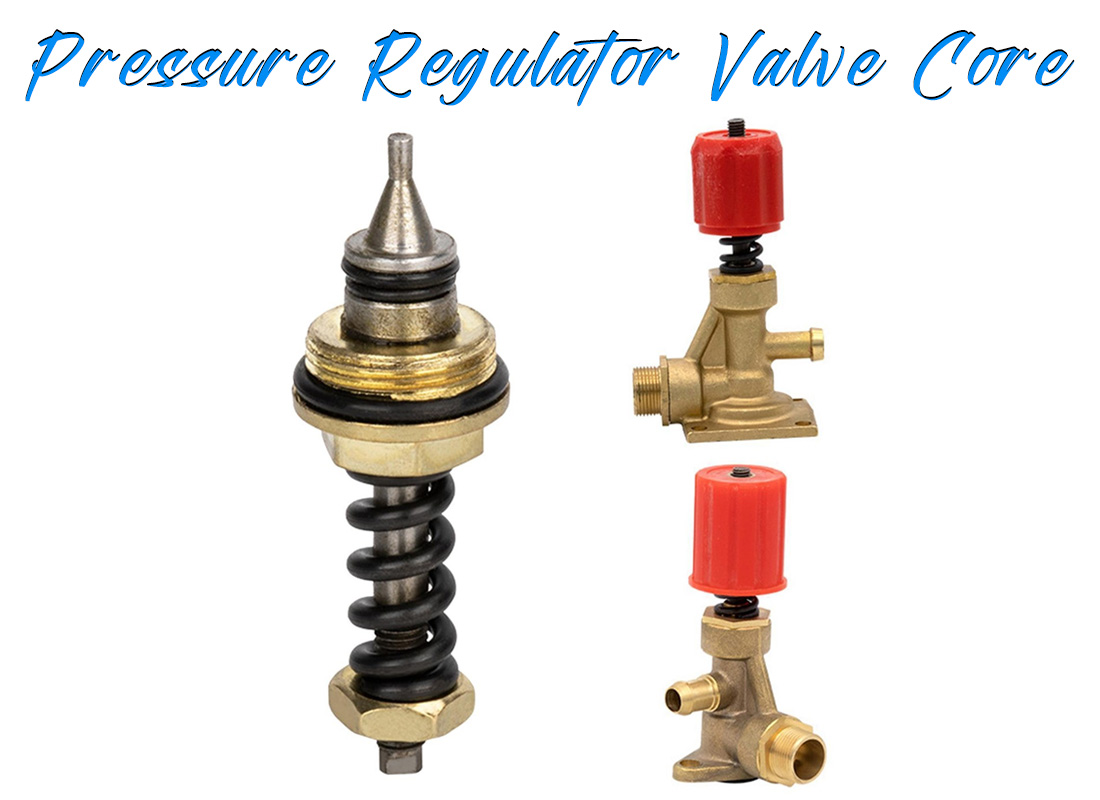
One frequent reason for a pressure regulator valve not reducing pressure is a stuck valve core, which prevents proper modulation. This can result from debris accumulation, corrosion, or mechanical wear.
Internal leakage, often caused by a damaged diaphragm or worn seals, allows high-pressure fluid to bypass the regulating mechanism. Over time, this diminishes the valve’s capacity to control outlet pressure effectively.
Improper sizing is another primary factor. A pressure regulating valve must match the system flow and pressure requirements. Selecting a valve too small may cause it to reach full lift quickly, while a valve too large might not achieve stable regulation.
Inadequate inlet pressure also affects performance. A valve designed to drop pressure from 10 bar to 5 bar may fail if the supply cannot consistently maintain 10 bar. System designers must ensure adequate upstream pressure margins.
A structured diagnostic approach ensures accurate identification and resolution:
① Visual Inspection – Check for obvious damage, leaks, or debris.
② Manual Operation Test – Move the valve stem manually to verify free travel.
③ Pressure Measurement – Compare inlet and outlet pressures under varying loads.
④ Valve Sizing Verification – Confirm the valve Cv and system requirements match.
⑤ Diaphragm and Spring Check – Look for fatigue, cracks, or deformation.
⑥ Clean or Replace Internal Components – Remove debris or replace worn seals.
By following this systematic approach, engineers can restore pressure regulator valve functionality efficiently.
To reduce the chance of pressure regulator valve failure, consider:
◆ Installing pilot-operated pressure regulators for large flows.
◆ Using filters or strainers to prevent debris entry.
◆ Choosing high-quality diaphragm and spring materials suitable for system pressure and temperature.
◆ Monitoring system pressure regularly and adjusting the valve per manufacturer recommendations.
| Valve Type | Recommended Application | Pros | Cons |
|---|---|---|---|
| Direct Acting Pressure Regulator | Small flow, low-pressure systems | Simple, compact | Limited flow capacity |
| Pilot Operated Pressure Regulator | High flow, variable load | Stable outlet pressure | More complex, costlier |
| Back Pressure Regulator | Maintain minimum system pressure | Protect downstream devices | Requires sufficient inlet pressure |
For mechanical engineers, system integrators, and maintenance personnel, consistent pressure regulation depends on valve condition, system design, and proper selection. Monitoring, periodic inspection, and using the correct valve type can prevent persistent pressure issues.
(FK9025)
You May Interest In




Get a free sample

FOKCA ©1998-2025 All Rights Reserved Sitemap