- sales@fokca.com info@fokca.com
- WhatsApp: +86 150 5749 1870

Custom Cylinders & System Solutions Manufacturer | Est. 1998
Custom Cylinders & System Solutions Manufacturer | Est. 1998

Feb 24, 2026
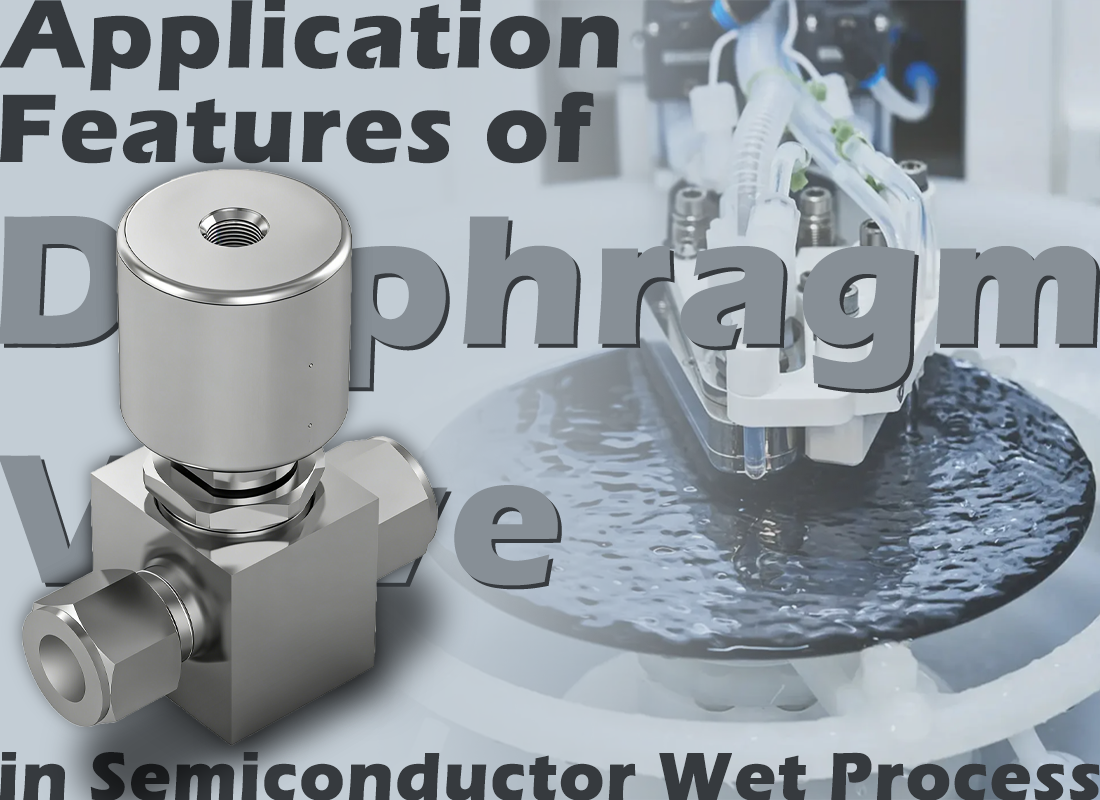
In semiconductor wet processing, media purity directly affects wafer yield. Ultra-pure water (UPW), acids, and chemical reagents must remain free from metal ion contamination. Even trace particles can cause device failure. Therefore, valve selection in these systems requires much stricter standards than conventional industries.
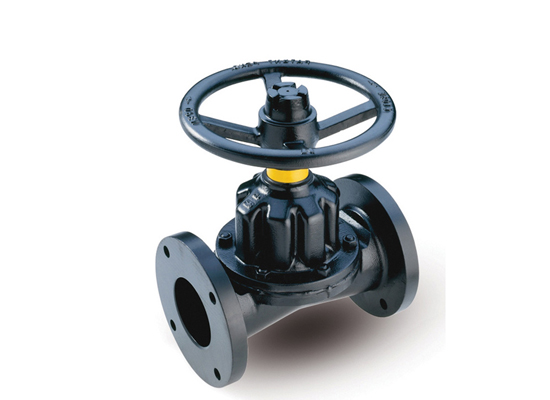
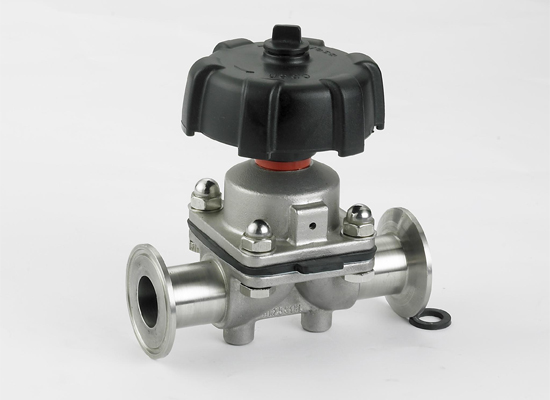
The diaphragm valve has become a preferred solution due to its isolated sealing structure and minimal metal exposure to the fluid path.

In cleaning, etching, and chemical treatment steps, valves must provide:
◆ Ultra-clean flow path
◆ Low particle shedding
◆ Reliable automation compatibility
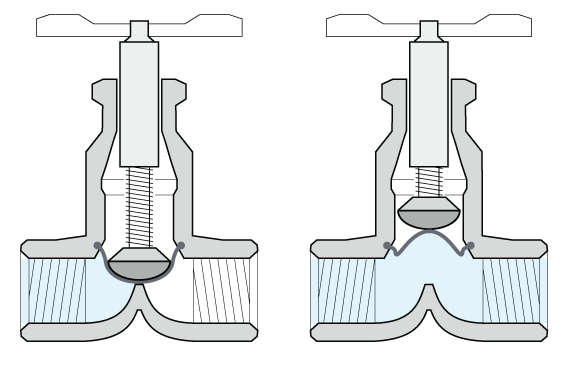
Unlike globe or ball valves, an industrial diaphragm valve uses a flexible membrane to isolate the actuator from process media, minimizing contamination risk.
Materials such as PTFE diaphragm valve are widely used in corrosive chemical applications. For high-temperature conditions, specialized high temperature diaphragm valve structures are adopted.
The diaphragm seals against the valve body, preventing fluid contact with metal stems or mechanical parts. This makes the diaphragm valve for chemical processing ideal for semiconductor environments.
Refer to the comparison table above. The structural difference explains why diaphragm valve vs ball valve discussions typically conclude in favor of diaphragm design for high-purity applications.
Modern fabs rely heavily on automation. A pneumatic diaphragm valve integrated with a diaphragm valve actuator enables fast and repeatable switching.
Common configurations include:
◆ Air operated diaphragm valve for wet benches
◆ Remote controlled diaphragm valve in chemical supply systems
◆ Electric diaphragm valve for precision control loops
In high-end installations, a diaphragm control valve with positioner allows accurate diaphragm valve flow control.
The two dominant types are:
◆ Weir-type diaphragm valve for shut-off control
◆ Straight-through diaphragm valve for high flow UPW lines
Where redundancy is critical, a double diaphragm valve may be used to enhance safety.
| Parameter | Weir-Type Diaphragm Valve | Straight-Through Diaphragm Valve | Double Diaphragm Valve |
|---|---|---|---|
| Flow Path Design | Raised weir structure | Full bore straight path | Weir or straight-through with secondary safety diaphragm |
| Pressure Drop | Medium | Low | Medium |
| Flow Capacity (Cv) | Moderate | High | Moderate |
| Shut-off Performance | Excellent | Very good | Excellent + Redundant sealing |
| Particle Generation Risk | Very low | Very low | Extremely low |
| Suitable Media | UPW, acids, chemicals | High flow UPW lines | Hazardous chemicals |
| Typical Body Material | PFA-lined / 316L SS | PFA-lined / 316L SS | PFA-lined / 316L SS |
| Diaphragm Material | PTFE / EPDM / Modified PTFE | PTFE / EPDM | Dual-layer PTFE |
| Automation Compatibility | Pneumatic / Electric | Pneumatic preferred | Pneumatic |
| Maintenance Frequency | Low | Low | Medium |
| Typical Application | Etching / Cleaning modules | Bulk chemical transport | High-risk chemical delivery |
For semiconductor wet processes, purity is not optional—it is fundamental. The diaphragm valve for fluid control offers a structurally isolated sealing mechanism that minimizes metal exposure and contamination risk. Combined with pneumatic diaphragm valve with solenoid actuator solutions, it ensures both cleanliness and automation reliability.
For equipment engineers, distributors, and procurement professionals, selecting the correct diaphragm valve configuration is essential for maintaining yield, safety, and long-term system stability.
(FK9025)
You May Interest In



Get a free sample

FOKCA ©1998-2025 All Rights Reserved Sitemap