- sales@fokca.com info@fokca.com
- WhatsApp: +86 150 5749 1870

Custom Cylinders & System Solutions Manufacturer | Est. 1998
Custom Cylinders & System Solutions Manufacturer | Est. 1998

Feb 24, 2026

In pharmaceutical production, contamination is not a minor defect—it is a regulatory risk. According to GMP and ISPE guidelines, critical fluid systems must ensure cleanability, drainability, and material traceability. Under these standards, the diaphragm valve becomes a core hygienic component rather than a conventional shut-off device.
Valve structure often determines system cleanliness more than pipeline design itself.
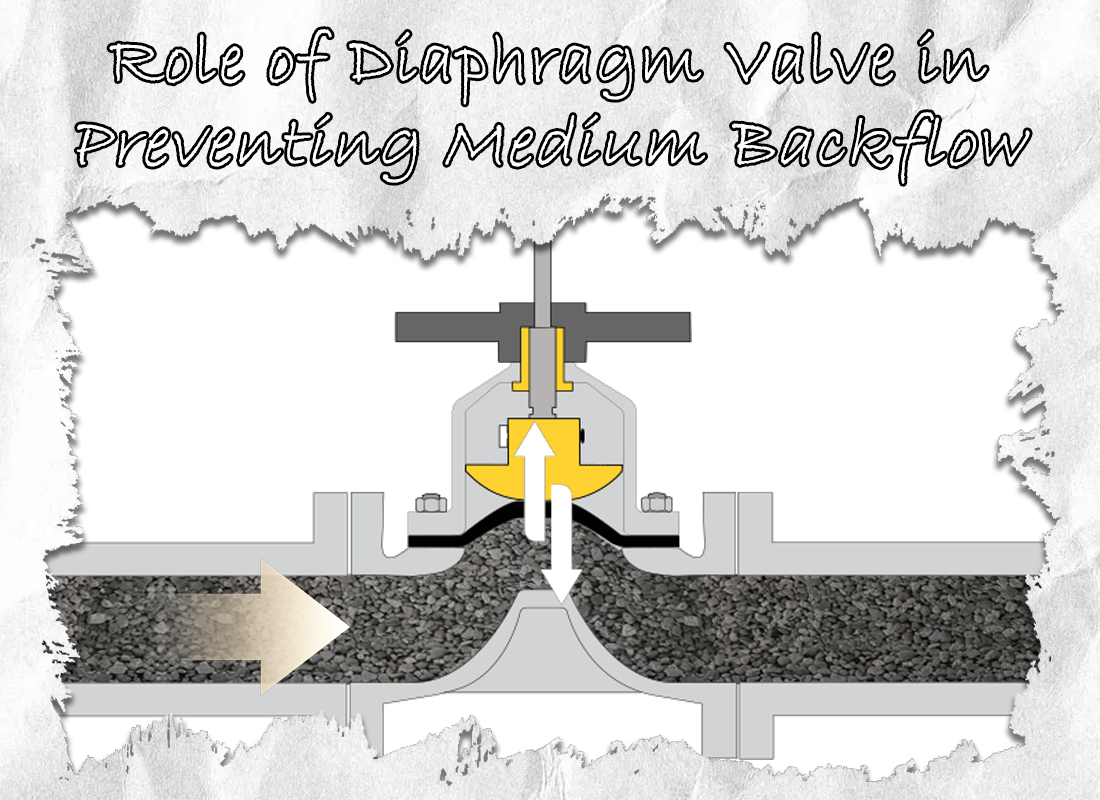
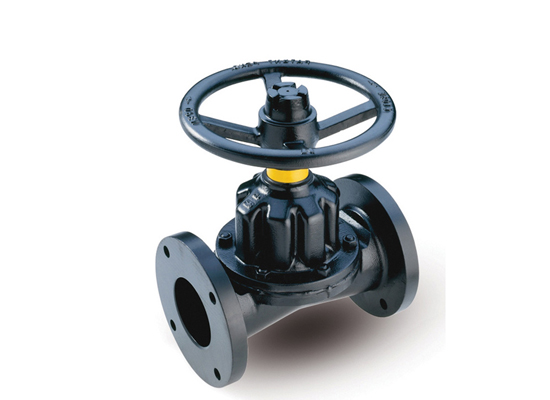
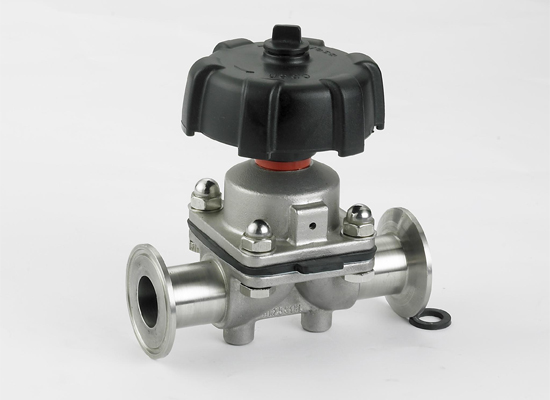
Unlike conventional valves, a sanitary diaphragm valve isolates moving mechanical parts from the process media. Only the valve body and diaphragm are exposed to the fluid. This eliminates stem packing cavities and significantly reduces contamination risks.
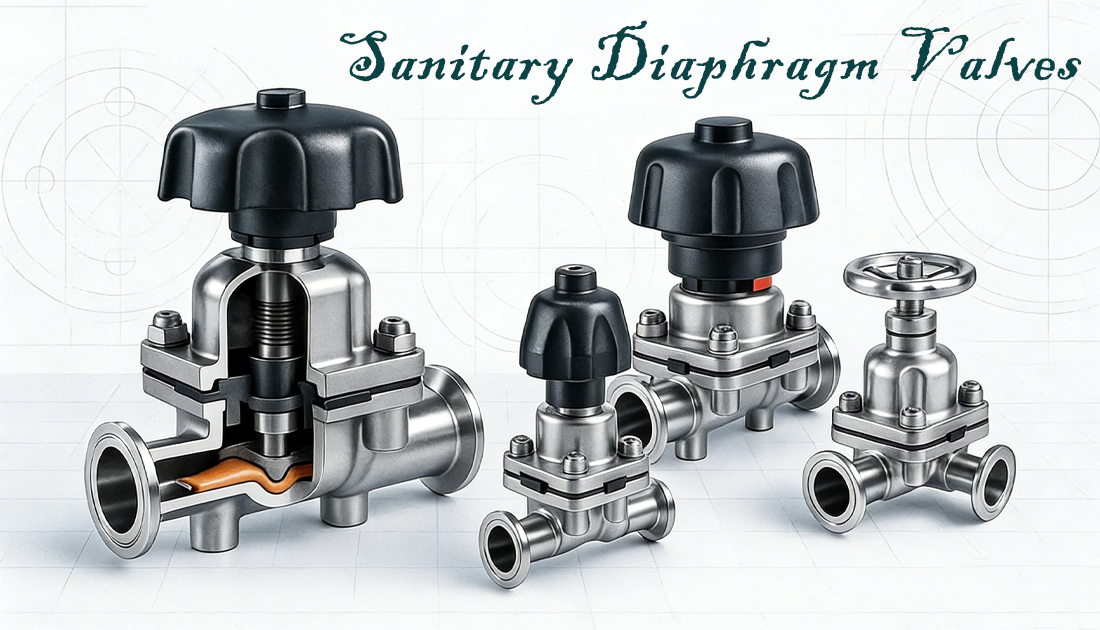
That structural isolation explains the industry preference when comparing diaphragm valve vs ball valve or analyzing the difference between diaphragm valve and globe valve.
A weir-type diaphragm valve offers reliable sealing for sterile transfer lines, while a straight-through diaphragm valve minimizes pressure drop in high-flow WFI loops. In hazardous or high-value media handling, a double diaphragm valve provides redundant containment.
| Valve Type | Flow Pattern | Cleanability | Pressure Drop | Typical Pharma Use |
|---|---|---|---|---|
| Weir-Type Diaphragm Valve | Raised weir | Excellent | Moderate | Sterile transfer lines |
| Straight-Through Diaphragm Valve | Full bore | Excellent | Low | WFI main loops |
| Double Diaphragm Valve | Redundant seal | Excellent | Moderate | High-risk media isolation |
For high-temperature sterilization cycles, a high temperature diaphragm valve maintains integrity during repeated SIP exposure.
Pharmaceutical-grade valves typically use 316L stainless steel diaphragm valve bodies with electropolished surfaces (Ra ≤ 0.4 μm). For aggressive media, PTFE diaphragm valve designs enhance chemical resistance and reduce extractables.
Material choice directly impacts cleanability and compliance in diaphragm valve for pharmaceutical applications.
Modern facilities integrate automated diaphragm valve solutions into centralized control systems. A pneumatic diaphragm valve with position feedback enables validation and batch traceability.

Common configurations include:
◆ Diaphragm valve with pneumatic actuator
◆ Pneumatic diaphragm valve with solenoid actuator
◆ Electric diaphragm valve
◆ Diaphragm valve actuator with positioner
In dosing systems, a pneumatic diaphragm control valve ensures stable diaphragm valve flow control, supporting process accuracy and regulatory compliance.
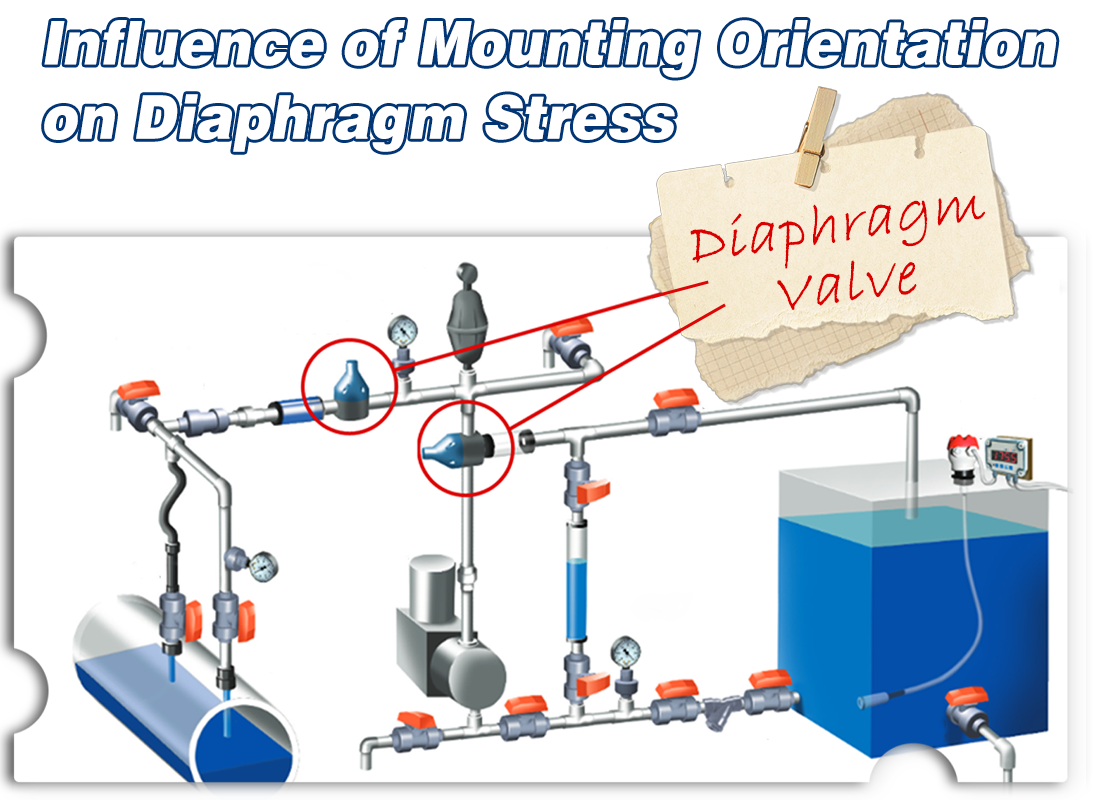
Even a high-grade industrial diaphragm valve can compromise hygiene if improperly installed. Correct diaphragm valve mounting orientation ensures self-drainability and eliminates fluid retention pockets.
Pharmaceutical cleanliness is achieved through design logic, not post-process cleaning. The diaphragm valve’s isolation structure, automation compatibility, and hygienic materials make it indispensable in sterile systems. For distributors, engineers, and procurement teams, understanding this structural advantage is essential for building compliant and reliable pharmaceutical fluid control systems.
(FK9025)
You May Interest In



Get a free sample

FOKCA ©1998-2025 All Rights Reserved Sitemap