- sales@fokca.com info@fokca.com
- WhatsApp: +86 150 5749 1870

Custom Cylinders & System Solutions Manufacturer | Est. 1998
Custom Cylinders & System Solutions Manufacturer | Est. 1998

Jan 21, 2026
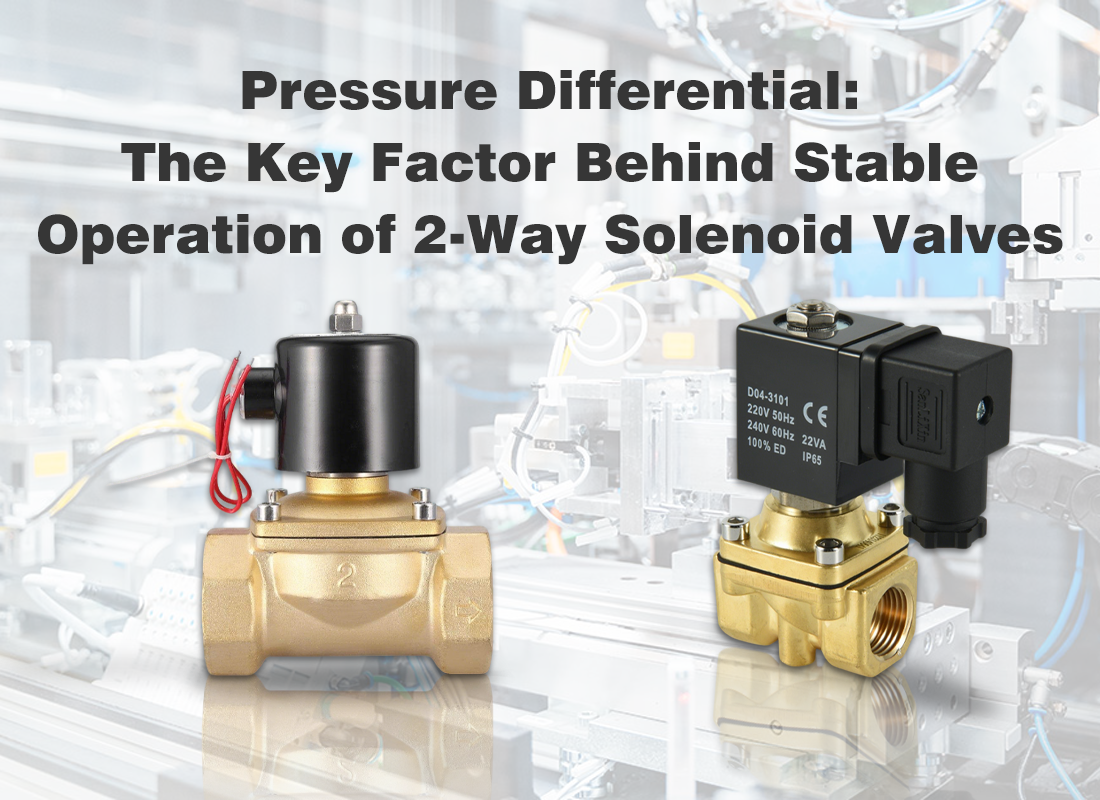
In real-world applications, many issues such as delayed response, incomplete opening, or unstable switching of a 2 way solenoid valve can be traced back to one often-overlooked parameter—the pressure differential between inlet and outlet. While voltage and coil power are visible specifications, pressure differential directly determines the force balance acting on the valve plunger during operation.
For engineers, understanding how pressure differential influences valve behavior is essential not only for troubleshooting, but also for proper valve selection.
A 2 way solenoid valve relies on the interaction between electromagnetic force and fluid pressure. When energized, the coil generates magnetic force to move the plunger, while the pressure differential may either assist or resist this movement.
In pilot operated solenoid valves, pressure differential plays an even more critical role. The main plunger opens only after the pilot flow creates sufficient pressure imbalance. Without adequate differential pressure, the valve may not function at all.
This explains why valves may operate correctly during bench testing, yet fail once installed in the full system.
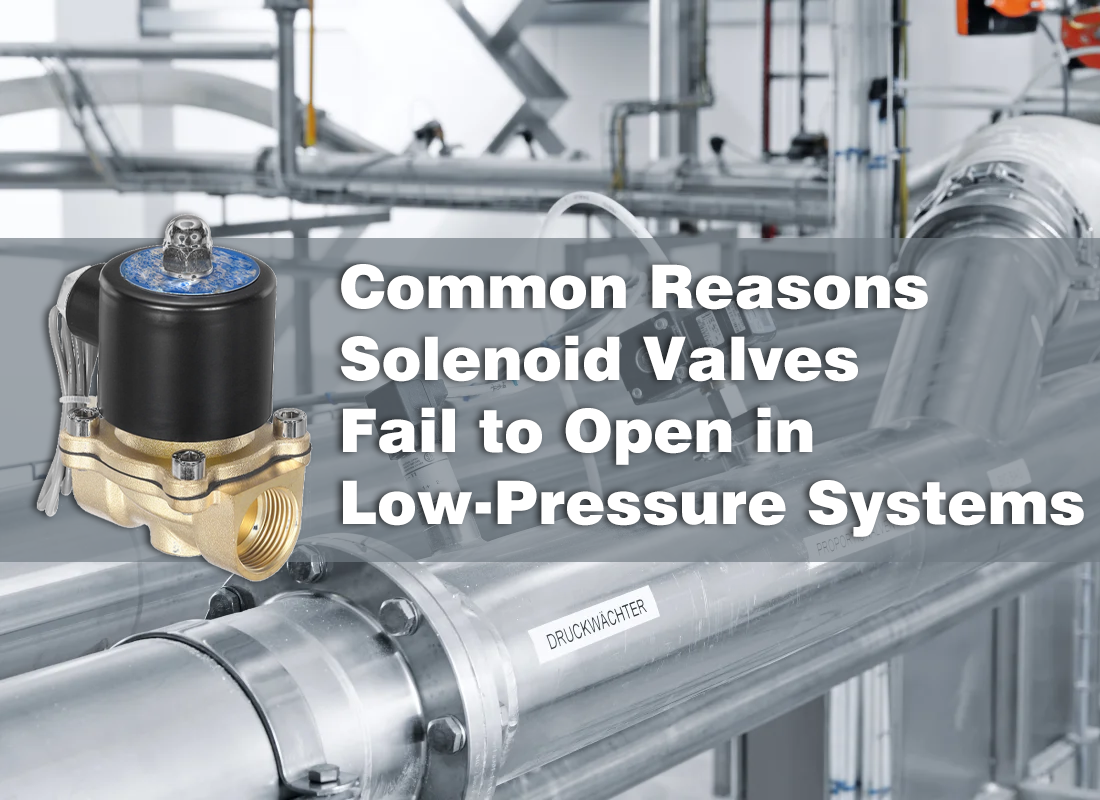
Low-pressure systems, such as gravity-fed water lines or low-pressure air circuits, often suffer from insufficient differential pressure. Typical symptoms include:
◆ Incomplete valve opening
◆ Very low flow rate despite full energization
◆ Pilot operated solenoid valve not responding
◆ Sluggish or unstable actuation
In such cases, the electromagnetic force alone is insufficient to overcome friction and spring resistance. Choosing a direct acting solenoid valve is usually more effective than increasing coil power.
Excessive pressure differential introduces a different set of challenges, especially in high-pressure water, air, or steam systems:
◆ Slow opening due to strong opposing fluid force
◆ Violent closing motion and noise
◆ Accelerated seat wear and internal leakage
◆ Plunger vibration during frequent cycling
When pressure differential is too high, the fluid force acting on the plunger can exceed the designed electromagnetic force, leading to unstable operation.
| Valve Type | Pressure Differential Requirement | Low ΔP Behavior | High ΔP Behavior |
|---|---|---|---|
| Direct Acting Solenoid Valve | Minimal or none | Reliable | Limited by coil force |
| Pilot Operated Solenoid Valve | Required | May fail | Suitable for large flow |
This comparison highlights that valve structure must match pressure conditions. Bigger or more powerful is not always better.
Even within allowable limits, frequent pressure fluctuations can shorten valve life by causing uneven wear on guides and seals. In automated systems, staggering valve actuation timing helps reduce pressure spikes and improves overall stability.
Rather than focusing only on maximum pressure rating, engineers should evaluate:
◆ Minimum and maximum pressure differential
◆ Pressure stability over time
◆ Valve structure suitability
Many solenoid valve failures stem not from poor quality, but from mismatched pressure differential conditions.
(FK9025)
You May Interest In







Dec 31, 2025 Blog
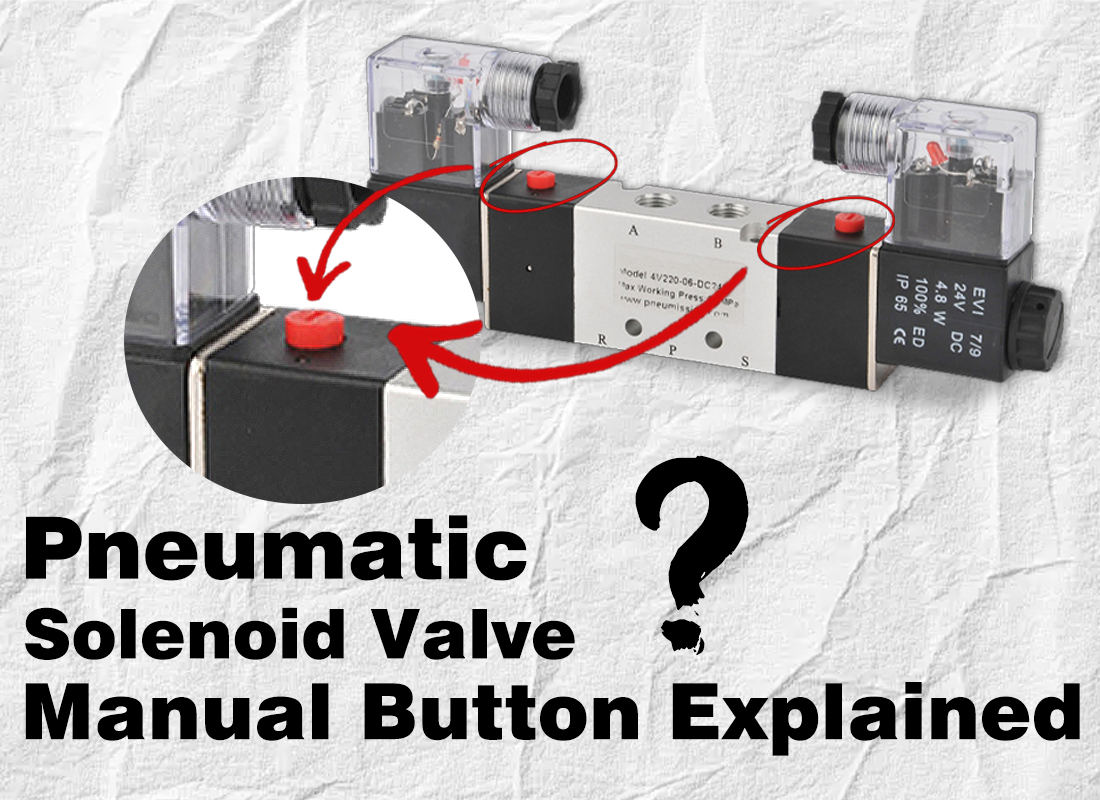
Pneumatic Solenoid Valve Manual Button Explained



Get a free sample

FOKCA ©1998-2025 All Rights Reserved Sitemap