- sales@fokca.com info@fokca.com
- WhatsApp: +86 150 5749 1870

Custom Cylinders & System Solutions Manufacturer | Est. 1998
Custom Cylinders & System Solutions Manufacturer | Est. 1998

Jan 23, 2026
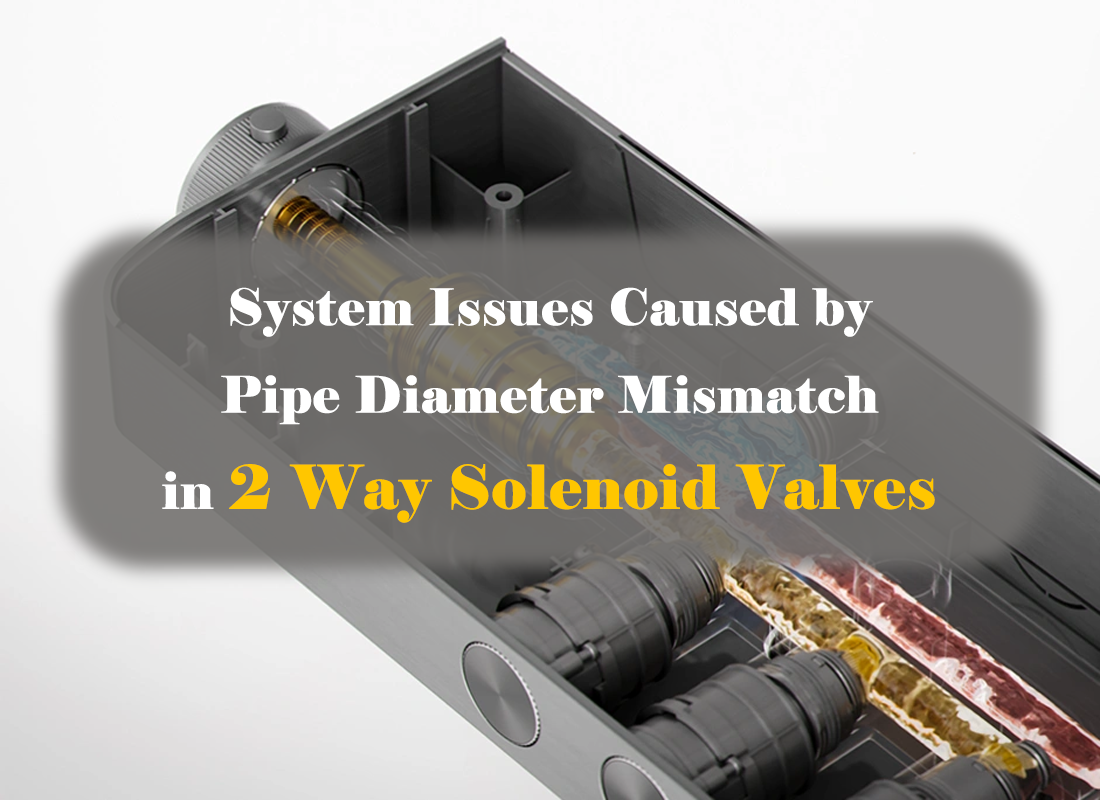
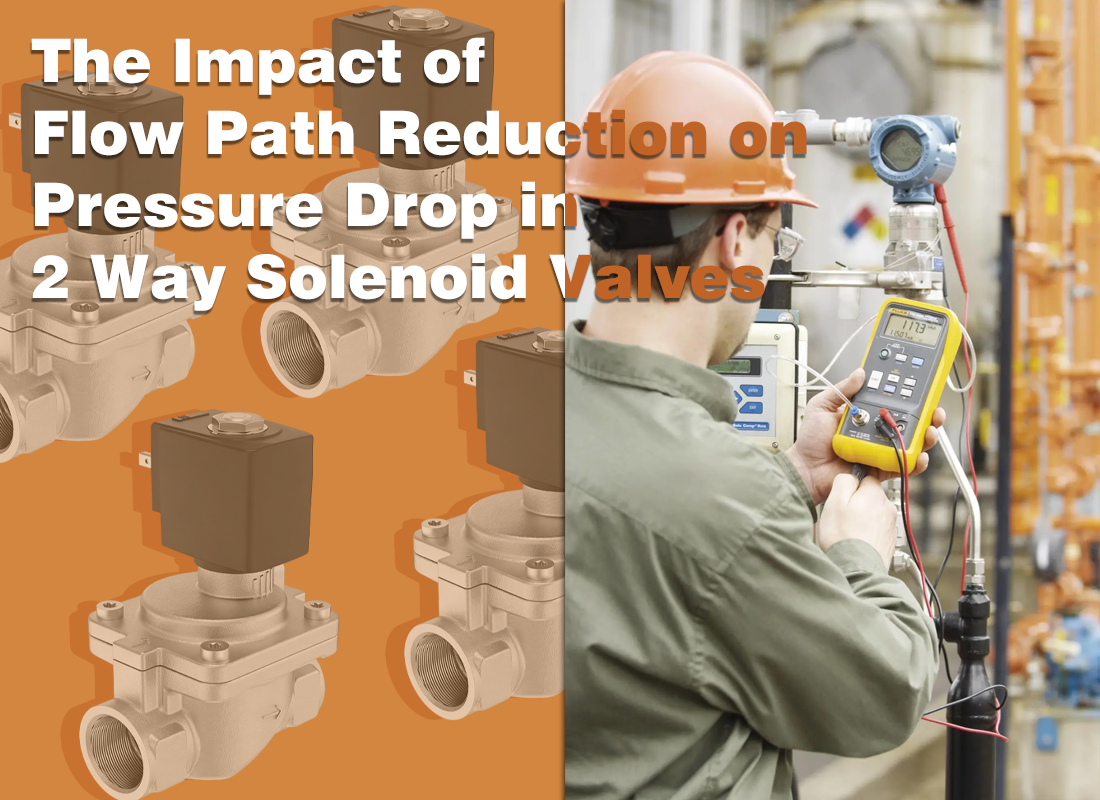
In many industrial installations, a 2 way solenoid valve is selected after the piping layout has already been finalized. This often leads to a situation where valve size and pipe diameter do not fully match. While such mismatches may not cause immediate failure, they quietly introduce flow instability, pressure loss, and long-term efficiency issues that affect the entire system.
From a fluid dynamics perspective, a 2-way solenoid valve is not just an on-off component. Its internal orifice, flow path geometry, and switching behavior all interact with the connected pipeline. When these parameters are mismatched, even high-quality 2 way solenoid valves can perform below expectations, especially in automated or high-cycle applications.
When the valve orifice is smaller than the pipeline diameter, fluid is forced to accelerate as it passes through the solenoid valve 2 way structure. This sudden increase in velocity leads to localized pressure drop, turbulence, and energy loss. In pneumatic systems, this effect is particularly noticeable when using a 2 way pneumatic solenoid valve to control actuators that require stable inlet pressure.
In real production lines, engineers often observe slower cylinder movement, inconsistent stroke force, or delayed response when the 2 way solenoid valve becomes the main restriction point. Over time, the increased flow velocity also accelerates internal wear, shortening the service life of seals and valve cores.
Oversizing is sometimes considered a safe choice, but installing 2-way solenoid valves with a bore much larger than the pipe diameter introduces a different set of problems. Larger internal volumes increase the amount of fluid released during each switching cycle, amplifying pressure fluctuations in the system.
This issue is common in fast-response automation using 2 way air solenoid valve 2V units. While the electrical control may be precise, excessive internal volume can cause pressure overshoot and oscillation, reducing repeatability and making fine control more difficult. In extreme cases, oversized valves can even increase noise and vibration in the pipeline.
In pneumatic systems, air compressibility makes diameter mismatch even more sensitive. A 2 way pneumatic solenoid valve installed on a larger pipe may respond quickly, but the pressure recovery downstream can lag behind actuator demand. This imbalance affects timing accuracy, especially in synchronized multi-axis equipment.
For compact machinery powered by DC supplies, a 2 way air solenoid valve 2V is often chosen for convenience. However, if valve size is selected only based on voltage and not flow capacity, system efficiency suffers. Matching valve orifice size with pipe diameter helps maintain stable pressure and predictable motion.
In hydraulic circuits, fluid incompressibility magnifies the consequences of poor sizing. A 2 volt 2 way hydraulic solenoid valve that is undersized increases pressure loss, heat generation, and pump load. These effects directly translate into higher energy consumption and accelerated oil degradation.
Oversizing, on the other hand, can reduce pressure drop but may compromise sealing reliability at low differential pressures. Even well-known designs such as an 2 way solenoid valve rely on proper pressure balance to maintain stable spool movement and tight shutoff performance.
A common mistake in valve selection is relying solely on nominal pipe size. In reality, effective sizing of a 2 way solenoid valve depends on flow rate, operating pressure, switching frequency, and fluid properties. Two systems with identical pipe diameters may require completely different valve specifications.
Using multiple 2 2 way solenoid valve units in parallel is sometimes attempted as a workaround for insufficient flow. While this may increase capacity, it also complicates control logic and maintenance. In most cases, a single correctly sized 2 way solenoid valve provides better long-term stability.
To avoid diameter mismatch issues, valve selection should begin with flow demand rather than pipe size alone. Calculate required flow under peak conditions, then choose 2-way solenoid valves with appropriate Cv values and pressure ratings. This approach ensures stable performance across the entire operating range.
For distributors and equipment manufacturers, understanding these principles helps prevent field complaints and unnecessary replacements. Proper matching of 2 way solenoid valve size to pipeline design improves energy efficiency, reduces maintenance cost, and enhances overall system reliability.
If frequent adjustments are required to compensate for pressure loss or unstable response, it may be time to reassess valve selection. In some cases, switching to a different internal flow design or valve structure offers better results than resizing alone.
By treating the 2 way solenoid valve as an integral part of the flow system rather than a standalone component, engineers can avoid common pitfalls and build more robust, efficient control systems.
(FK9025)
You May Interest In





Dec 31, 2025 Blog
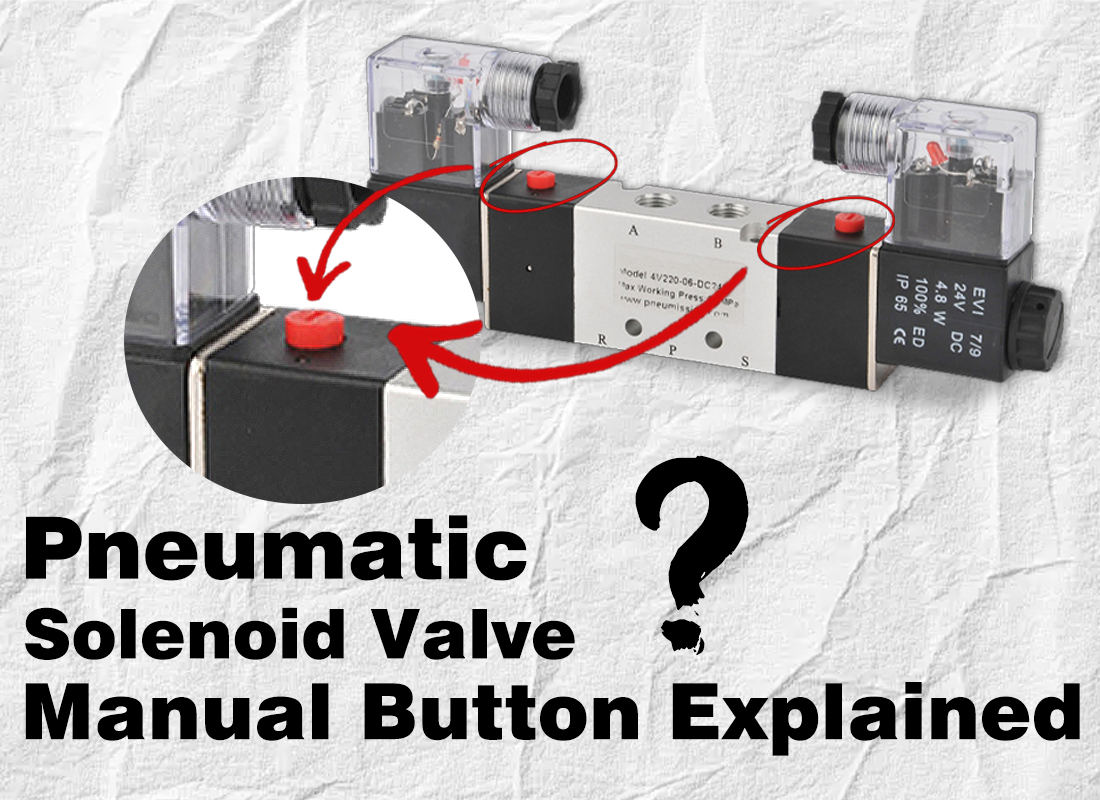
Pneumatic Solenoid Valve Manual Button Explained



Get a free sample

FOKCA ©1998-2025 All Rights Reserved Sitemap